Ondřej Surý just pushed PHP 8.4.22/8.5.7 packages for Debian Bullseye, Bookworm, and Trixie, bringing much needed stability fixes to the tracing JIT and OpenSSL 4.0 compatibility layers. The update also patches several URI parsing vulnerabilities and cleans up error reporting in the intl and date extensions so your scripts stop throwing cryptic constant names at you. Getting it onto a Debian machine means adding the debsury.org source, refreshing the package index, and running a standard apt install without breaking older PHP versions that might still be in use. Once installed, verifying the active version and checking opcache behavior will keep background jobs from crashing when they hit unexpected interrupts.
How to Install PHP 8.4.22/8.5.7 on Debian Without Breaking Your Server
The latest round of PHP packages from Ondřej Surý lands on Debian systems with a mix of JIT stability fixes and OpenSSL compatibility updates that actually matter for production environments. The following process outlines how to pull the new builds onto Debian 11, 12, or 13 while keeping older versions safely in place. Administrators can verify repository signatures, update package caches, and avoid the common pitfalls that trip up automated deployment scripts.
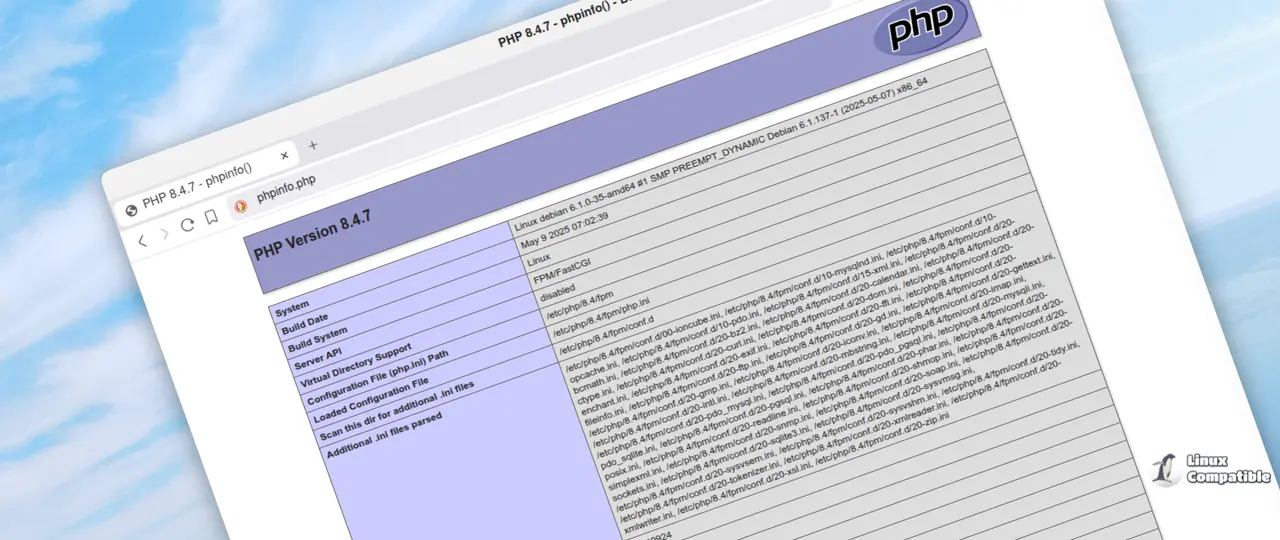
Why This Update Actually Matters
PHP versioning has always been a moving target, but this release focuses on backend stability rather than chasing new language features. The tracing JIT crashes in Opcache have been a known headache for developers running heavy workloads, and fixing those assertion failures means fewer midnight pager alerts when a background job decides to crash the worker process. OpenSSL 4.0 compatibility also gets addressed early, which saves system administrators from scrambling through dependency chains when upgrading their base OS. The URI parsing vulnerabilities are worth noting since malformed input has historically caused pointer truncation issues that could theoretically be exploited in web applications handling user-supplied links. Skipping the package index update after adding a new repository is a frequent mistake that wastes time and leaves systems running outdated binaries, so forcing a metadata refresh remains non-negotiable.
Installing PHP 8.4.22/8.5.7 Without Breaking Existing Workflows
Getting the new packages onto a Debian machine requires pointing the package manager toward Ondřej Surý’s repository, which has been the de facto standard for maintaining PHP across multiple LTS releases. The installation script starts by checking whether the current user has root privileges and automatically prepends sudo when needed, which prevents permission denied errors during system modifications. Downloading the keyring package first establishes a trusted cryptographic identity for the repository before any software sources are added to the system. Creating the php.list file inside /etc/apt/sources.list.d/ tells Debian exactly where to fetch the new builds while explicitly binding the signature verification to the previously installed keyring. Updating the package index afterward forces apt to download the latest release metadata, which is critical because older cache files will otherwise return stale version numbers or skip the new packages entirely. The final install command pulls in lsb-release and ca-certificates alongside the PHP binaries, ensuring that dependency resolution works correctly across Bullseye, Bookworm, and Trixie without leaving broken symlinks behind.
#!/bin/bash # To add this repository please do:

if [ "$(whoami)" != "root" ]; then
SUDO=sudo
fi

${SUDO} apt-get -y install apt-transport-https lsb-release ca-certificates curl
${SUDO} wget -O /etc/apt/trusted.gpg.d/php.gpg  https://packages.sury.org/php/apt.gpg
${SUDO} sh -c 'echo "deb https://packages.sury.org/php/ $(lsb_release -sc) main" > /etc/apt/sources.list.d/php.list'
${SUDO} apt-get update
Verifying the Installation and Managing Versions
After the package manager finishes unpacking the files, checking the active version string confirms whether the system switched to the new build or kept the older release in place. Debian’s multi-version packaging setup allows multiple PHP versions to coexist on the same machine, which means developers can test applications against 8.4.22/8.5.7 without disrupting production services running on earlier releases. Switching between versions typically involves updating the default interpreter symlink or adjusting web server configurations to point at the correct binary path. The intl and date extensions receive argument position fixes that prevent cryptic error messages when working with calendar objects, while the standard library updates resolve version comparison edge cases that have historically broken semantic version checks in dependency managers. Keeping an eye on the opcache tracing JIT behavior after deployment helps catch any lingering interrupt handling issues before they impact application performance.
The repository stays active and ready for the next round of patches, so keeping the apt cache refreshed will save time when security advisories drop later in the quarter. Happy coding and may segmentation faults stay minimal.


