Oracle has released VirtualBox 7.2.14, a maintenance update that patches a critical Windows 11 Secure Boot crash and stabilizes nested Hyper-V environments on legacy CPUs. The build also adds initial host support for Linux kernel 7.2, resolves long-standing Unicode clipboard issues on Windows, and removes previous assembler version restrictions for BIOS compilation. This release continues Oracle's roughly bi-monthly update cadence for the 7.2 branch, which originally shipped last August with full ARM virtualization and a redesigned GUI. VirtualBox 7.2.14 is available for Windows, macOS (both Intel and Apple Silicon), and major Linux distributions, while the Extension Pack remains under the PUEL license.
Oracle ships VirtualBox 7.2.14 with Windows 11 Secure Boot crash fix
Oracle has released VirtualBox 7.2.14, a maintenance update to its open-source virtualization platform. The build lands with stability patches tied to Windows 11 Secure Boot, a nested Hyper-V engine tweak, and expanded Linux kernel compatibility. It covers roughly six months of catch-up work since the 7.2 branch first shipped last August.
The headline change is the fix for a bug check that would wipe out your Windows 11 VM whenever you updated the Secure Boot DBX entries. If you manage virtual desktops with Strict Disk Signature Verification or run regular UEFI certificate revocations, you know this was a consistent pain point. Oracle's patch stops the crash cleanly enough that administrators can manage Secure Boot policies without rebuilding guest images. The official changelog flags it as a critical fix for anyone running Secure Boot policies across virtualized Windows environments.
The virtual machine monitor also now skips querying or setting the xcr0 register on CPUs that lack the xsave feature. That matters mostly if you're nesting Hyper-V under Hyper-V. Older host hardware or certain nested configurations would otherwise trigger crashes. It's a small engine tweak, but it keeps the platform viable for legacy setups that still push through Microsoft's nested virtualization stack.
Windows hosts finally get a proper fix for Unicode clipboard handling. That's been a long-running complaint in the Windows track. The installer also now pulls the Visual C++ runtime through the servicing infrastructure, which should make first-time setups a lot more reliable. I remember when VirtualBox's Windows installer was basically a monthly exercise in wrestling with dependency chains. The servicing infrastructure shift quietly removes a lot of those headaches.
Linux hosts get initial support for kernel 7.2, and Red Hat Enterprise Linux users get updated compatibility for the 9.8 and 9.9 kernels. If you're running bleeding-edge infrastructure, Oracle is tracking upstream changes a bit faster this cycle. NASM 2.16 or later now works across the board for BIOS build tasks, too. The previous limitation forcing older assembler versions for certain components is gone.
The 7.2 branch in context
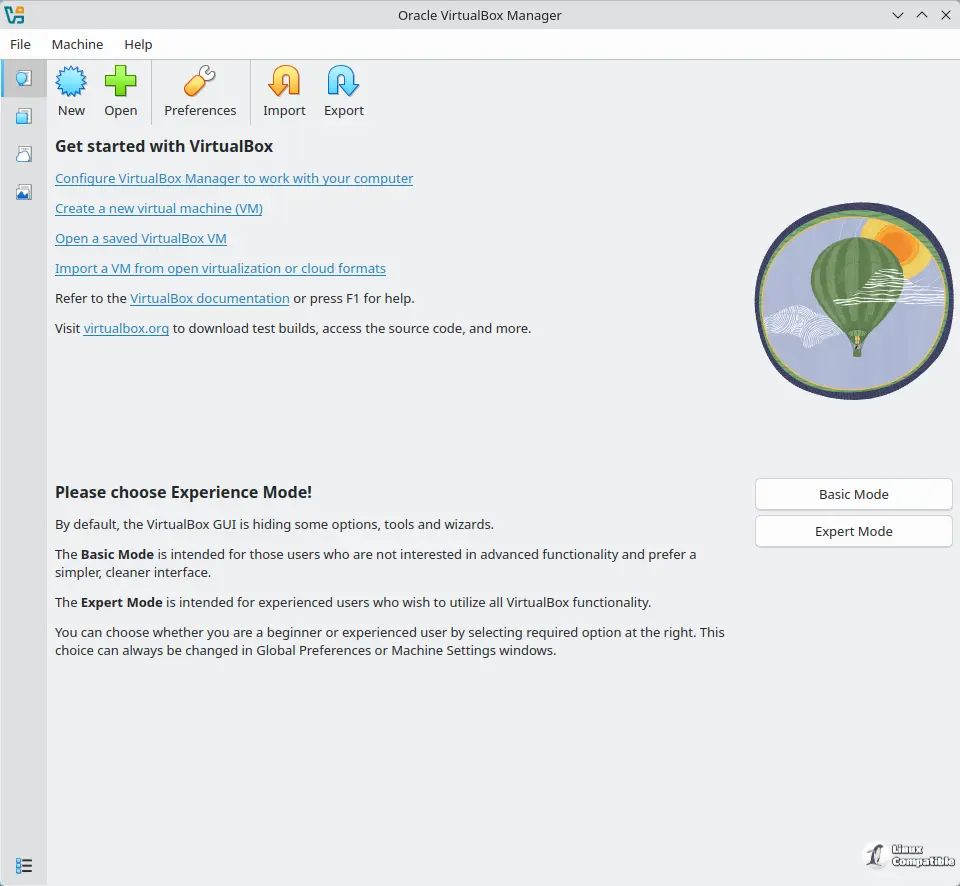
VirtualBox 7.2 arrived on August 14, 2025 with a feature set that actually shifted the platform forward. ARM virtualization got full support for Windows ARM and Apple Silicon hosts. The GUI got a redesign that moved global tools to a vertical taskbar. NVMe controller emulation landed in the open-source base package. Since then, Oracle has kept to a rough 4-to-8 week cadence for maintenance releases, landing 7.2.2 in September, 7.2.4 in October, 7.2.6 in January, 7.2.8 in April, 7.2.10 in June, and now 7.2.14 in July 2026.
It's a solid maintenance run. The platform isn't quietly catching up to VMware Workstation Player anymore, it's holding its ground in segments where proprietary licensing hurts. The ARM work and the NVMe in base are the real wins here. However, at the same time, the licensing model still trips up some enterprise buyers who just want straightforward commercial support without reading through the exception clause.
You can grab VirtualBox 7.2.14 for Windows, macOS across both Intel and Apple Silicon, Solaris, Oracle Linux, RHEL, Ubuntu, Debian, openSUSE, Fedora, and a generic binary for other distributions. Keep in mind that the Extension Pack stays under the VirtualBox Personal Use and Educational License. Everything else ships under GPLv2 with the Oracle VirtualBox extension exception.
Head here to the old builds page to download the package that matches your host, or check the official changelog for the full commit list.


