Mageia 9 Reaches End of Support; Community Urged to Upgrade to Mageia 10
The ninth release of the community-run Linux distribution has reached end-of-life. Mageia says it's time to move to Mageia 10, a version that ships Linux kernel 6.18 and a choice of more than 20 desktop environments.
Mageia 9 is officially on its last legs. As of 30 September 2026, the ninth release of the community-driven Linux distribution has hit end of support, so no further updates, security patches or otherwise, will be reaching users. The announcement landed on 25 September 2026, posted by contributor joselp on the official Mageia Blog, and the message was clear: time to upgrade to Mageia 10.
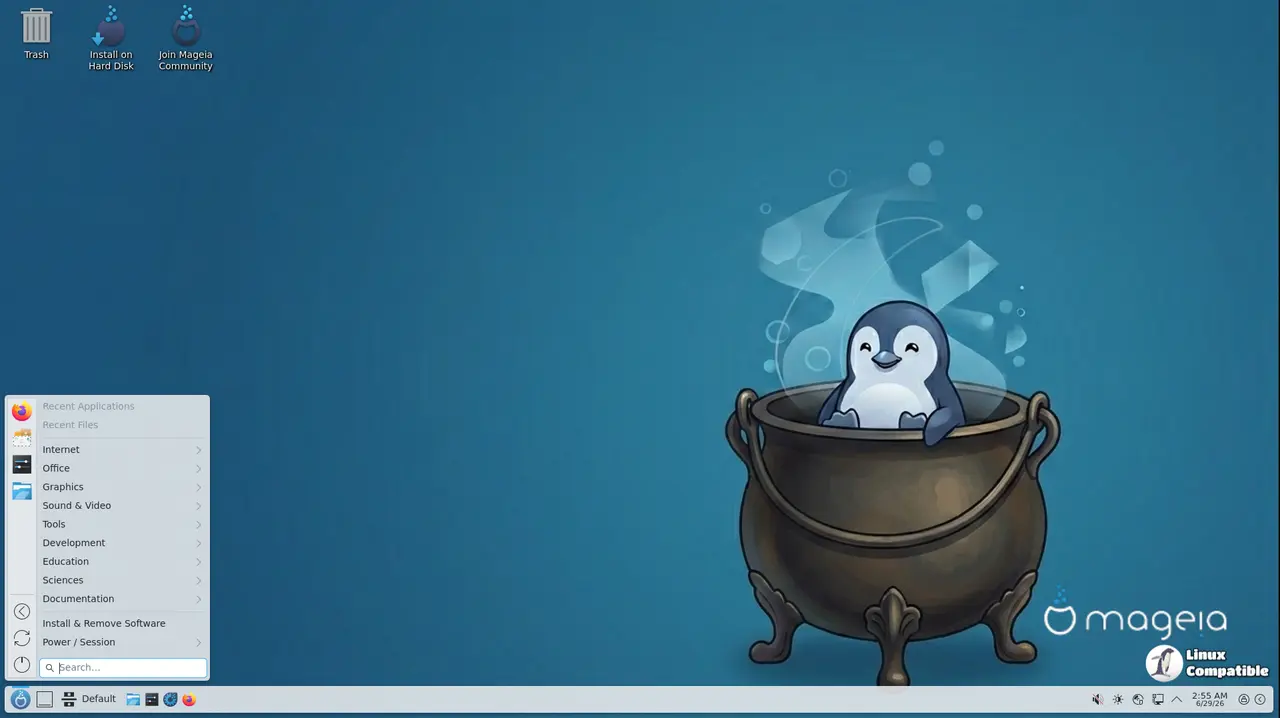
It's a standard end-of-life notice, but the numbers behind it are worth a glance. Mageia 9 first shipped on 27 August 2023 on Linux kernel 6.4, and over roughly three years it accumulated 24,008 updates. That's a lot of patches for a distro that runs almost entirely on volunteer labor. In its own words, the post claimed that "Mageia 9 has been rock-solid, with 24,008 updates to date, providing security fixes for our users."
Mageia was born in the wreckage of Mandriva Linux. Edge IT, the operational subsidiary of Mandriva S.A., was placed under liquidation by the Tribunal de Commerce in Paris in September 2010. A group of former Mandriva staff and community members picked up the pieces the following month, handing the project to the Paris-based nonprofit Mageia.Org. The name is a nod to Greek magic and to Mandrake the magician, a detail the project has kept across a decade of releases.
Why end-of-support matters
Once a release goes EOL, the security advisories stop. Bug fixes stop too. Any newly found vulnerability in Mageia 9 just sits there, unpatched, and that bites hardest on servers where the distro kept running for nearly three years.
The cutoff is standard practice across the Linux ecosystem. It reflects a hard truth about community projects, since volunteer hours are finite. Rather than stretch those hours across every release forever, Mageia concentrates on the current stable version, 10, and the rolling development branch, Mageia 11 Cauldron. Staying on an unsupported release means you're doing it on your own dime.
Interestingly, the timeline here is longer than it should be. Mageia doesn't release on a fixed schedule, and the gap between the ninth and tenth releases came in at nearly three years. Mageia 9 dropped in August 2023; Mageia 10 didn't ship until 30 June 2026. So the release that just went EOL has been out of support for less time than its successor took to arrive.
Upgrading to Mageia 10
Mageia lays out three paths for anyone still on 9.
First, there's the in-place upgrade through the GUI. The major-version update tool lives in the system tray, that blue update icon you've probably been ignoring, and it can drive the migration on its own.
Second, advanced users can hit the command line and follow the step-by-step instructions in the Mageia 10 Release Notes.
Third, you can do a clean install from the classic DVD or netinst images, or try the live images first. Live images are handy for testing, but they can't upgrade an existing system. Only the DVD/netinst images and the in-place tools do that.
The project wasn't shy about the risks of a clean install. It warned that "any data not stored on a separate partition or backed up to an external device will be deleted," and asked users to make sure they've backed up first. Keep in mind that live images are strictly for trying Mageia 10 out, not for migration.
What's actually inside Mageia 10? The release, themed "The power of 10," leans hard on modernization. It ships Linux kernel 6.18.35, and gives you a choice of more than 20 desktop environments and window managers. That's KDE Plasma 6.5.5, GNOME 49.0, XFCE 4.21, MATE, Cinnamon, and LXQt now with a Wayland option, along with newer Wayland compositors like sway, hyprland, niri, and labwc. You'll also pick up LibreOffice 26.2.3.2, Firefox 140.11.0esr, GCC 15.2.0, Rust 1.95.0, and Python 3.13.13.
It's arguably a more interesting release than you'd expect from a distro that doesn't ship on a rigid schedule. The breadth of desktop options, including experimental Wayland compositors, is a nice touch for people who like to tinker. And since Mageia is a free download, there's no financial reason to hold out. Mageia 10 itself will be supported until around March 2028, so upgrading now buys you another couple of years of security patches.
If you've got questions, the Mageia forums cover most languages, as does the wiki. Head here to the Mageia forums and here to the Mageia wiki.


