Fedora Linux 43 has been officially released, bringing various improvements and updates to the operating system. This release is identical to the previous release candidate, Fedora Linux 43 Release Candidate 1.6.
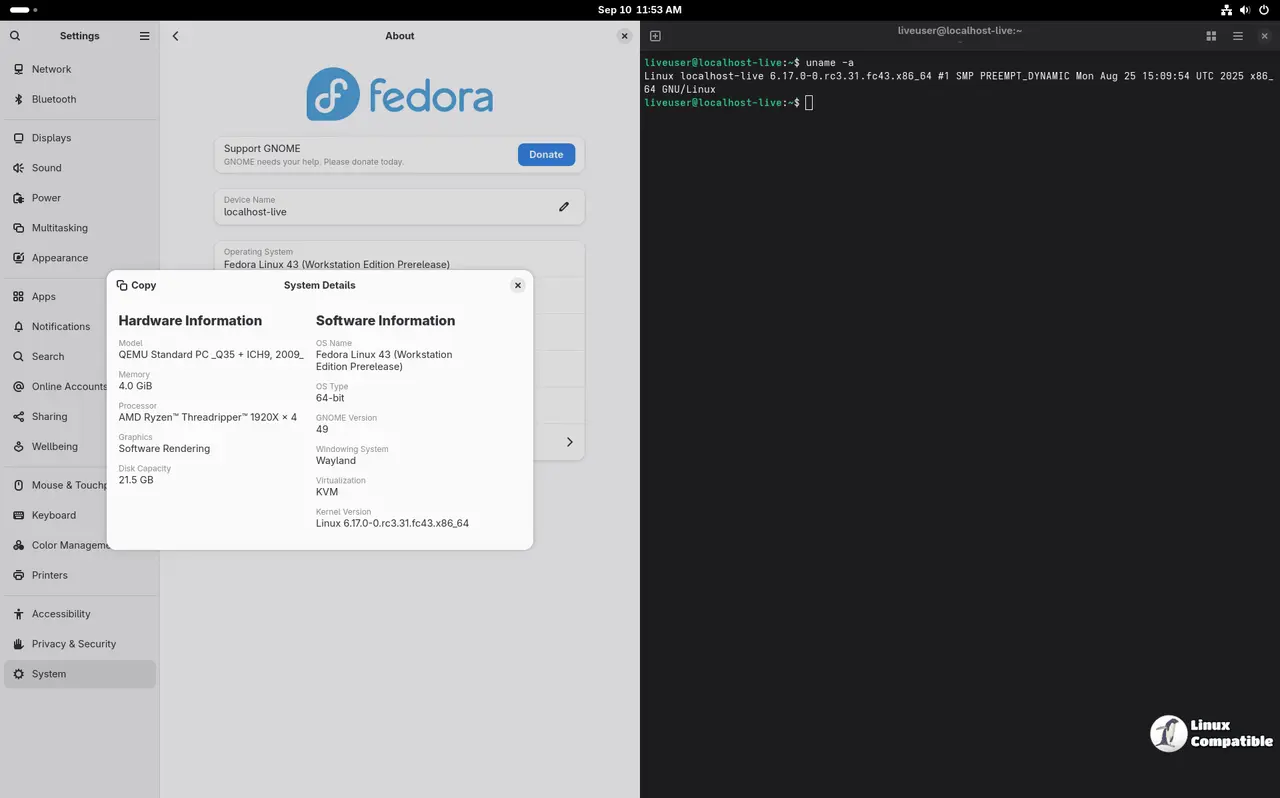
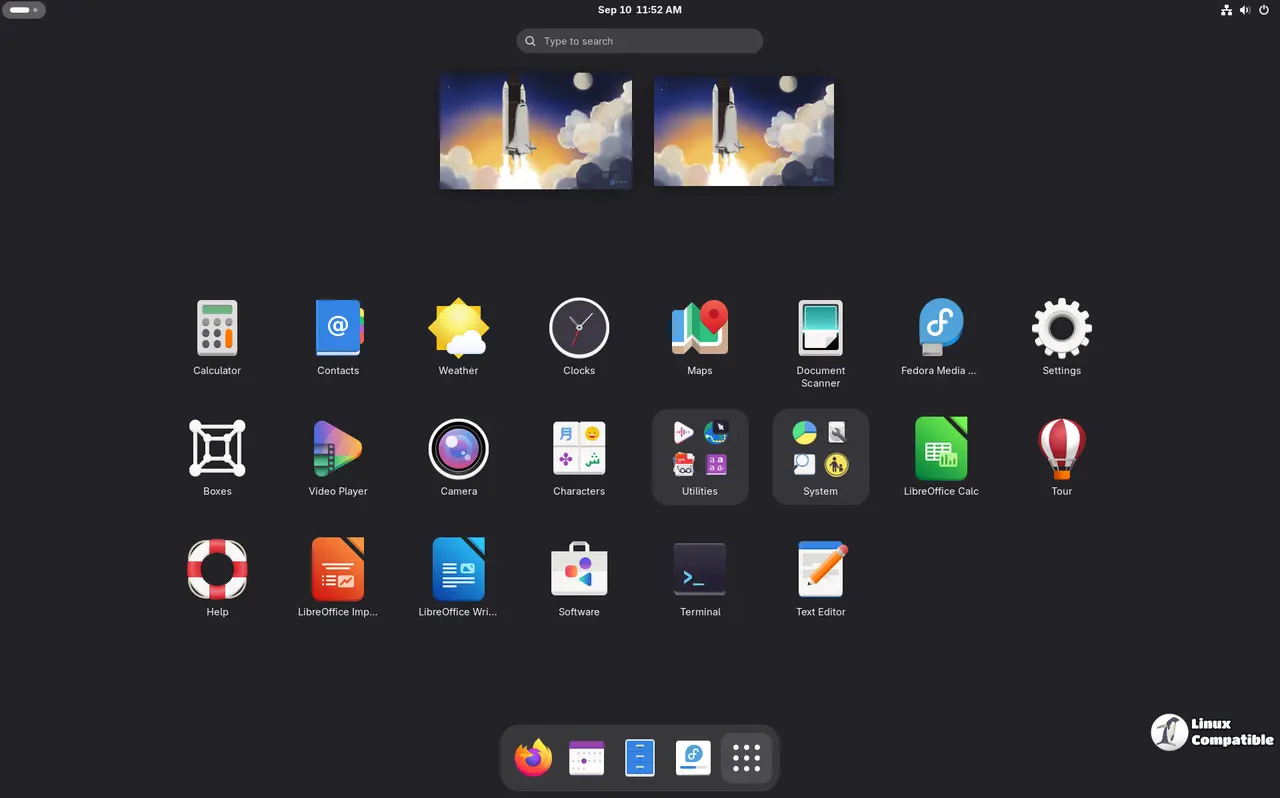
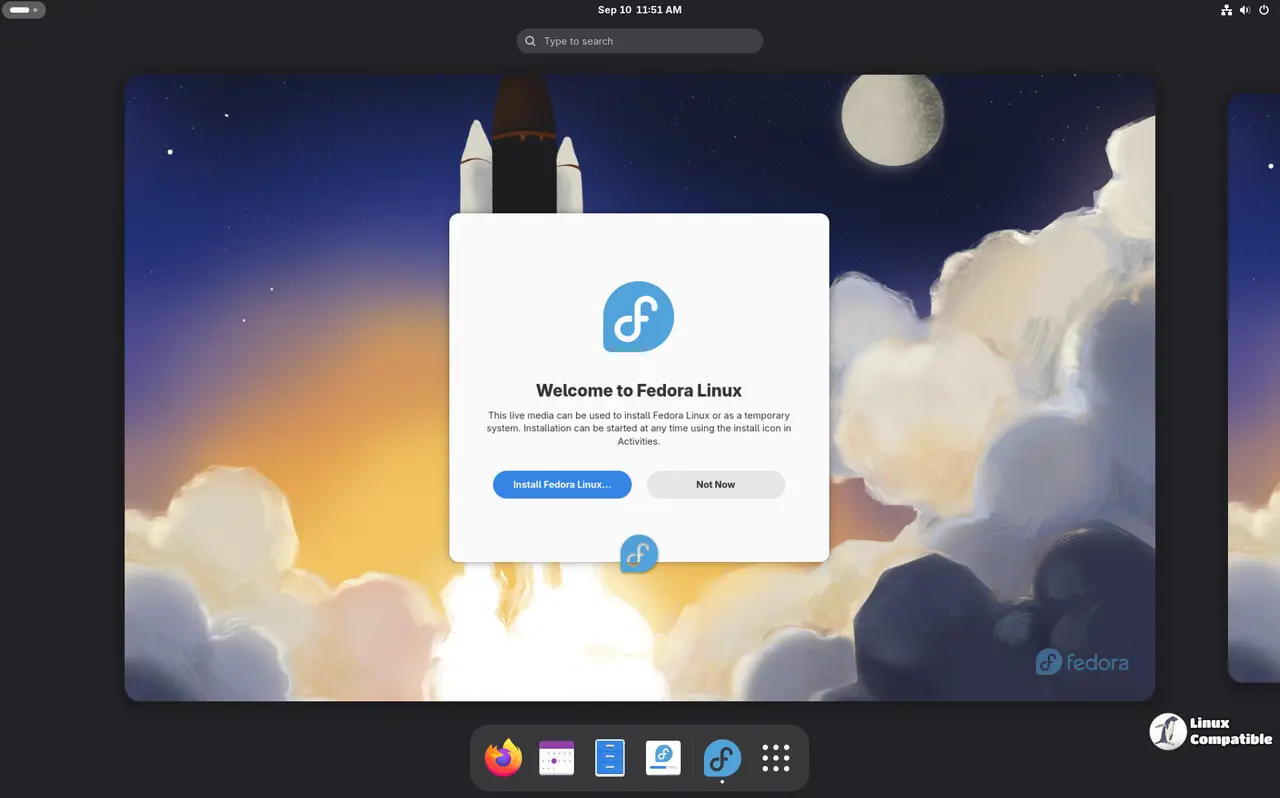
For desktop users, one notable change is that GNOME now uses Wayland only. This means that the GNOME X11 session has been removed from Fedora Linux, and users previously using GNOME on X11 will be transparently upgraded to the GNOME Wayland session. However, X11 applications are still supported on GNOME. Additionally, the default fallback monospace font has been set for languages that were previously missing it.
The gdk-pixbuf2 library now uses Glycin, a sandboxed image loading framework, which improves security by providing the same user experience as before but with enhanced protection behind the scenes. As a result, several external pixbuf loaders have been removed from the distribution.
Noto Color Emoji fonts in Fedora now contain the COLRv1 format, which is a color scalable font compared to the previous color bitmap fonts. Users may not notice any changes except for a smaller file size.
For developers, Python 3.14 has replaced version 3.13, and several packages have been updated or deprecated. The python-async-timeout package has been deprecated in favor of asyncio.Timeout in Python 3.11+, while the python-nose package has been retired due to lack of upstream development.
The GNU toolchain in Fedora 42 has been updated, including GCC 15.2, binutils 2.45, glibc 2.42, and gdb 16.3. Additionally, Golang 1.25 is now available in Fedora 43, with vendored dependencies as the default option when building Golang applications.
Other notable changes for developers include updates to Rust, Idris 2, Haskell GHC 9.8, and Stackage LTS 23, and support for Hare, a systems programming language designed to be simple, stable, and robust.
Java 25-openjdk is now available in Fedora, replacing Java 21-openjdk as the default version, although both versions can still be used alongside each other. Several instances of software, such as Tomcat, can execute with different Java versions.
Fedora 43 also includes updates to Perl 5.42, which focuses on improving performance and refining existing features. The new stable release introduces several enhancements, including new any and all operators, lexical methods, source::encoding pragma, the expanded CORE:: namespace, and the :writer field attribute.
Maven 4 is a new major version of Maven available in Fedora 43, which brings many improvements but also breaking changes. Idris 2 is a dependently typed practical functional programming language now available in Fedora 43. Rust's async-std crate has been deprecated in favor of the smol crate, and several other packages have been removed or updated.
For system administrators, Fedora spins now use the new WebUI installer introduced in Fedora 42. The Anaconda installer no longer supports installing Fedora on disks using a Master Boot Record (MBR) while in UEFI boot mode on 32-bit x86 systems.
Fedora as a whole has switched to DNF5 for general package management and image building, starting with the release of Fedora 41. Starting with Fedora 43, Anaconda is now also using DNF5 on the backend.
The default size of the /boot partition in Fedora Linux 43 has been raised to 2 GiB to accommodate increases in boot data over the past several releases. Updates to both the system and all Flatpaks on Fedora Kinoite are now downloaded automatically and applied on the next reboot.
Several significant enhancements and modifications have been made to Stratis 3.8.5, including improvements to mounting filesystems at boot and additional information about stopped pools in the StoppedPools property.
Fedora virtualization hosts running on suitably configured Intel Xeon hardware can now launch confidential virtual machines using the Intel TDX feature. PostgreSQL in Fedora 43 has been upgraded to major version 18, while the Dovecot e-mail server has been updated to version 2.4 with configuration changes from previous versions.
MySQL 8.4 is now the default version of MySQL in Fedora, replacing the previous default version, MySQL 8.0, although users can still choose to use the older version if needed.
Fedora 43 updates the RPM packaging system to version 6.0, providing several security improvements, including support for multiple signatures per package and automatic signing on package builds. The initrd compression algorithm has been changed from xz to zstd by default, resulting in slightly smaller initrd sizes and faster boot times.
YASM assembler has been deprecated and replaced with NASM where possible. The GnuPG2 package has been modularized into several separate subpackages with non-essential utilities having been split out.
Fedora Linux can be downloaded from the Fedora Linux website. Click here to download Fedora Workstation.


