AnduinOS v2.0 Beta completely abandons fragile post-install bash scripts in favor of a declarative XML build pipeline that compiles directly into modular native packages. The release strips out custom updaters and telemetry services while enforcing strict CI checks to guarantee clean APT compatibility across all downloads. Desktop performance gets targeted tuning through Ubuntu 26.04 and Linux Kernel 7, with adjusted memory, disk I/O, and network parameters designed to eliminate everyday UI stutter. Users now get a single two-point-five gigabyte ISO that handles twenty-eight languages at boot, swaps legacy applications for lightweight alternatives, and routes package updates through globally distributed repositories.
AnduinOS v2.0 Drops Bash Scripts for a Declarative Build System That Actually Makes Sense
The beta release of AnduinOS v2.0 completely abandons the fragile shell scripts that have plagued custom Linux distributions for years. This rewrite swaps imperative configuration for a declarative XML pipeline, delivering a cleaner package structure and native APT compatibility without the usual telemetry bloat. Readers will get a clear breakdown of how the new build system works, what actually changed under the hood, and whether this architectural shift matters for daily desktop use.
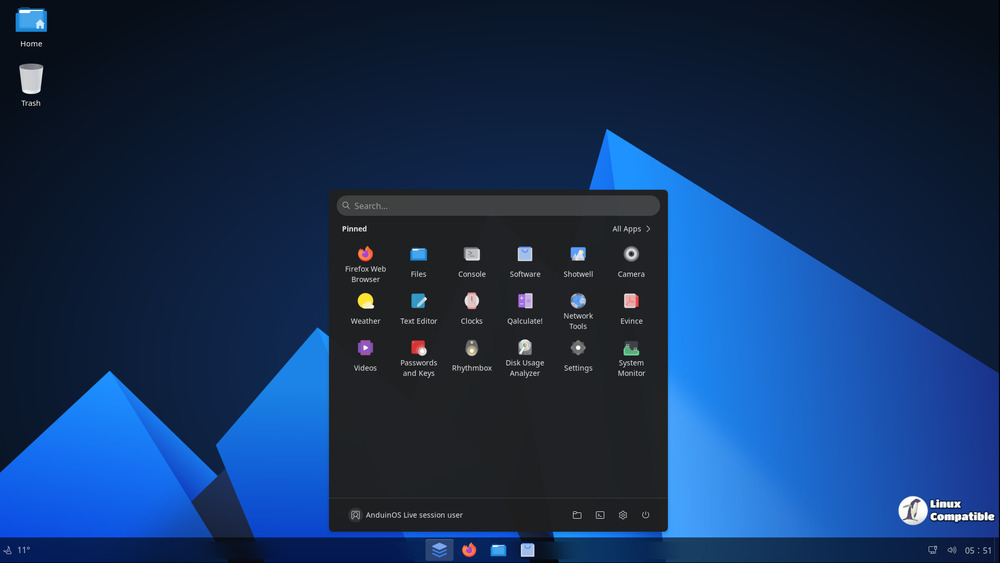
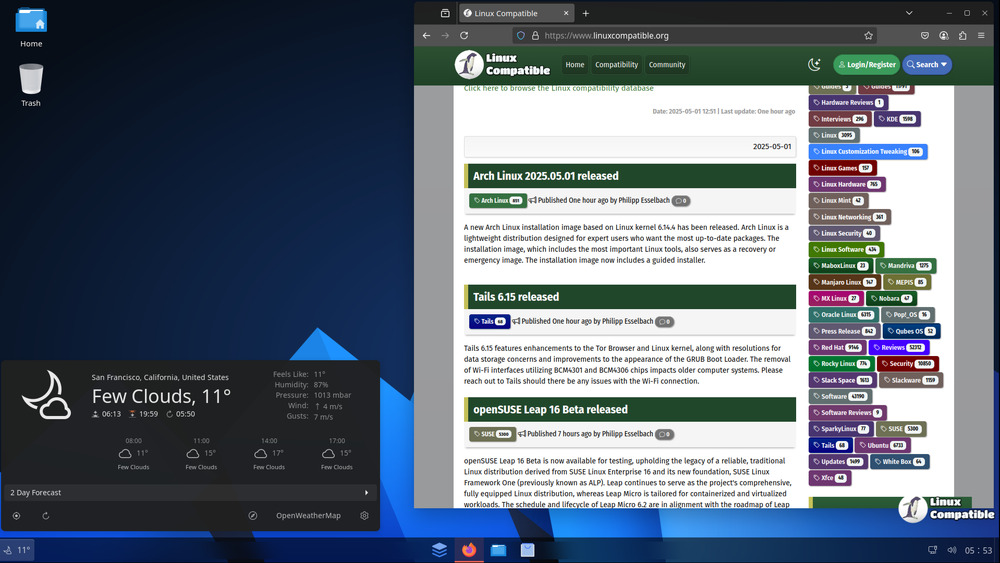
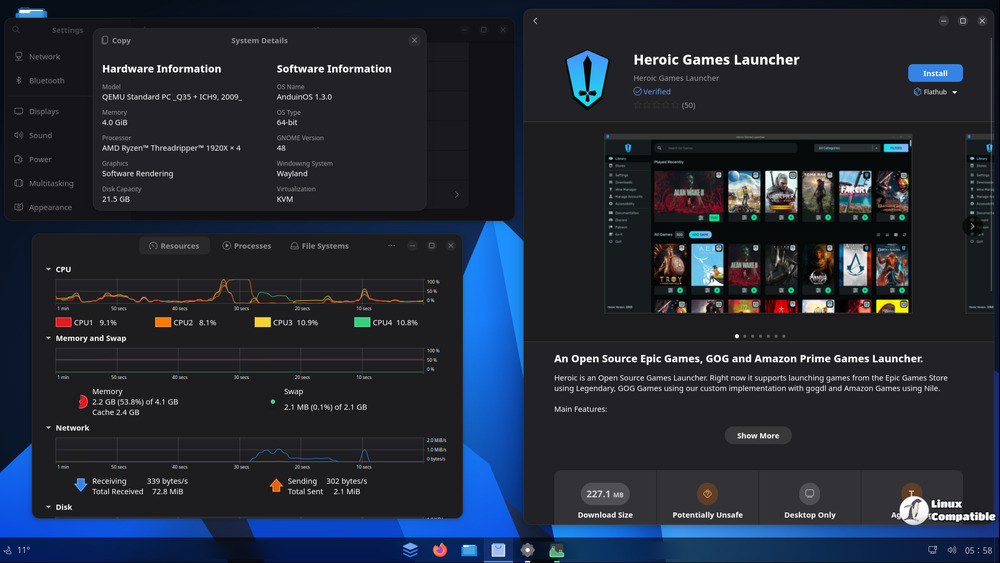
The AnduinOS v2.0 Declarative Shift
Custom distributions have long relied on post-install bash scripts to patch together a working desktop environment. Those scripts inevitably break when upstream packages shift dependencies or change standard paths. The new release replaces that entire workflow with aosproj and apkg, an XML-based declarative system that compiles directly into native .deb packages. The core now ships as fifty-six modular components instead of a monolithic remaster. This approach means the build process runs inside a clean debootstrap chroot environment, which catches configuration drift before it ever reaches the end user. System administrators who have watched custom remaster scripts break during routine kernel updates know exactly why this shift matters. The declarative model forces explicit state definitions rather than relying on fragile command sequences that fail silently and leave broken package states behind.
Native APT and Hardened CI Enforcement
The old custom updaters are officially retired, which removes a major point of failure for daily package management. AnduinOS now relies entirely on standard sudo apt update and sudo apt upgrade commands. This keeps the system fully compatible with Ubuntu repositories while stripping away redundant maintenance layers that usually conflict with upstream changes. The continuous integration pipeline enforces a strict hard-fail policy that aborts ISO generation if it detects snapd or Canonical telemetry services. That automated gatekeeper ensures every download stays clean without requiring manual package removal after installation, which saves time usually wasted chasing background processes. Users who have dealt with telemetry daemons eating CPU cycles during idle hours will find this enforcement welcome. The build system also validates dracut initramfs compatibility, giving users the option to swap out legacy boot modules if preferred.
Kernel Tuning and Desktop Performance
The base system now runs Ubuntu 26.04 with Linux Kernel 7, which brings broader hardware support and modern graphics drivers out of the box. Beyond standard kernel updates, the maintainers applied specific desktop tuning parameters to reduce latency during everyday tasks. Memory management uses a swappiness value of ten alongside a dirty background ratio of five, which prevents UI stutter when disk writes spike during large file transfers. Network stacks enable BBR congestion control and fast TCP open settings for improved throughput on congested connections. Developers handling heavy file-watching workloads get an inotify limit raised to over half a million watches, eliminating the common filesystem watcher exhaustion errors that crash development tools. These adjustments target real desktop friction points rather than chasing synthetic benchmark scores.
Single ISO Multilingual Support and App Swaps
Language support used to require separate ISO builds for every region. The new release packs twenty-eight locales into a single two-point-five gigabyte image with runtime selection available directly from the GRUB menu. Unicode font rendering works at the bootloader stage, so CJK and Arabic text displays correctly before the desktop even loads. The installer now filters language options to match keyboard layouts automatically, which removes the confusing default US English setting that plagues many live environments. To keep the footprint small without sacrificing a modern GNOME experience, legacy applications received straightforward replacements. Loupe handles images, Showtime manages video playback, Resources replaces the old task manager, and GNOME Music takes over audio streaming. Text editing defaults to vim-tiny instead of the full package, which saves space while keeping command-line workflows intact.
Corporate Backing and Repository Infrastructure
The project transitioned from solo maintenance to corporate stewardship under AIURSOFT LIMITED in Hong Kong. All APT repositories now route through packages.anduinos.com with Cloudflare load balancing across US, European, and Asian nodes. This infrastructure shift targets low-latency package delivery for global users while enforcing explicit amd64 architecture flags to prevent multi-arch dependency pollution. The entire codebase remains under GPL-v3 licensing, which preserves the open-source model despite the corporate backing. Anyone who has watched a hobbyist distribution lose momentum after maintainer burnout will recognize why stable repository hosting matters just as much as kernel tweaks.
Grab the beta ISO from their official package site and test the declarative build system firsthand. The architecture changes are substantial enough to warrant a fresh install rather than an in-place upgrade, but the cleaner package management and stripped telemetry make it worth the effort for desktop users tired of custom distribution maintenance headaches.


