VirtualBox 7.2.10 drops a maintenance patch that finally clears up stubborn boot failures for CentOS 10 guests and ARM machines running under 1024 MiB of RAM. Linux hosts gain improved kernel compatibility and stable module builds, which stops the hypervisor from crashing during startup on recent distributions. The release also repairs USB passthrough for headless macOS setups and restores clipboard sharing on OS/2 and modern Wayland desktops. Network emulation gets a cleanup that eliminates unnecessary debug logs and removes a long-standing roadblock for legacy OS/2 virtual machines.
VirtualBox 7.2.10 Fixes Boot Crashes and Wayland Clipboard Glitches
VirtualBox 7.2.10 lands as a straightforward maintenance release that quietly patches several stubborn boot failures and host compatibility issues. Users running CentOS 10, ARM machines with low RAM, or Linux hosts on recent kernels will finally see their virtual machines start without throwing cryptic error messages. This update also cleans up clipboard syncing on modern Wayland desktops and stops the E1000 network driver from spamming debug logs.
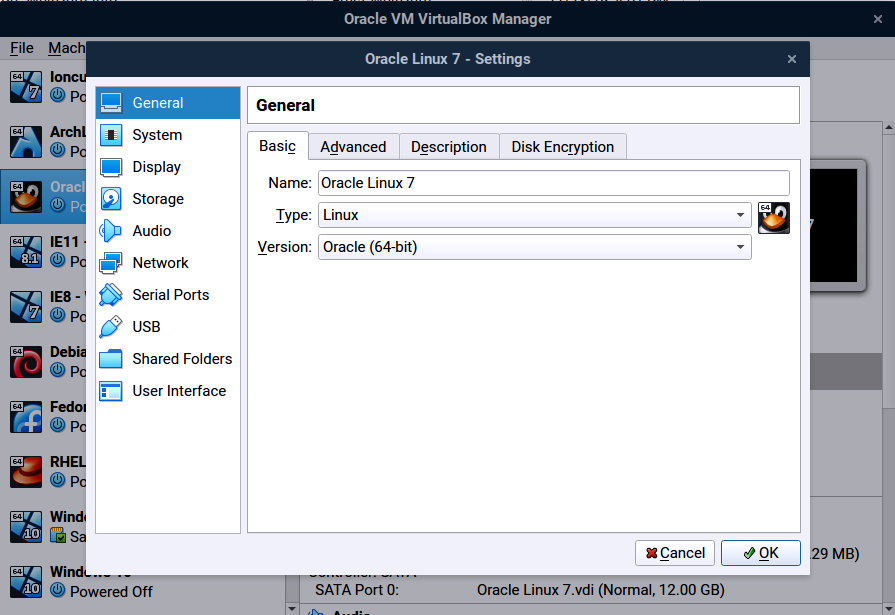
Linux host stability and kernel module builds
Linux hosts have received several behind-the-scenes adjustments that keep the hypervisor from crashing during startup. A kernel oops that prevented virtual machines from launching has been resolved, which matters because a single module failure can lock out an entire workstation. The build system now tolerates openSUSE 16.0 kernels, RHEL 9.8 patches, and drops initial support for kernel 7.1. Developers and tinkerers who compile from source can finally swap YASM for NASM, which simplifies the toolchain for those who already prefer it. Guest additions also get a quiet win with a fix that stops the vboxvideo kernel module from breaking on kernel 7.0 and newer, so display drivers stay functional after a host update.
CentOS and ARM memory hiccups get sorted
The glibc error that suddenly stopped CentOS 10 from booting was one of those headaches that leaves virtualization users staring at a black screen wondering what broke. The patch addresses the CPU instruction set mismatch that triggered the fatal error, which usually happens when newer Linux distributions expect extended x86-64 features that older virtualization layers struggle to pass through. ARM users who tried squeezing a lightweight guest under 1024 MiB of RAM will also notice a smoother boot sequence, since the hypervisor previously choked on tight memory allocations. Running a virtual machine with minimal resources has always been a balancing act, and this tweak removes one of the usual roadblocks.
macOS USB quirks and OS/2 legacy support
Apple Silicon users running headless virtual machines on macOS 26.4.1 can now attach USB peripherals without hitting a connection wall, since the hypervisor previously failed to route the device through the virtual controller. The OS/2 guest additions also get a long overdue repair that restores shared folders and clipboard syncing, which had quietly stopped working in recent builds. Supporting older operating systems still matters for legacy software and industrial hardware, so keeping those pathways open is a practical move rather than a nostalgic one.
Network emulation cleanup
The E1000 network adapter code has been trimmed down to stop unnecessary debug log generation and finally allow OS/2 guests to boot through the virtual NIC. Debug logs that flood the host drive are a common annoyance when troubleshooting network latency, and this fix keeps the file system from filling up during routine operations. The OS/2 boot repair rounds out the networking tweaks by removing a compatibility block that previously froze the initialization sequence.
Grab the update when the downtime window fits your schedule. The hypervisor runs smoother, the host stays out of crash loops, and the clipboard finally behaves on modern Linux desktops.


