Ubuntu Opens the Door to 26.04.1 "Resolute Raccoon"
Canonical has enabled supported upgrades from Ubuntu 24.04 LTS (Noble Numbat) to the newly consolidated 26.04.1 LTS (Resolute Raccoon). The upgrade path is open.
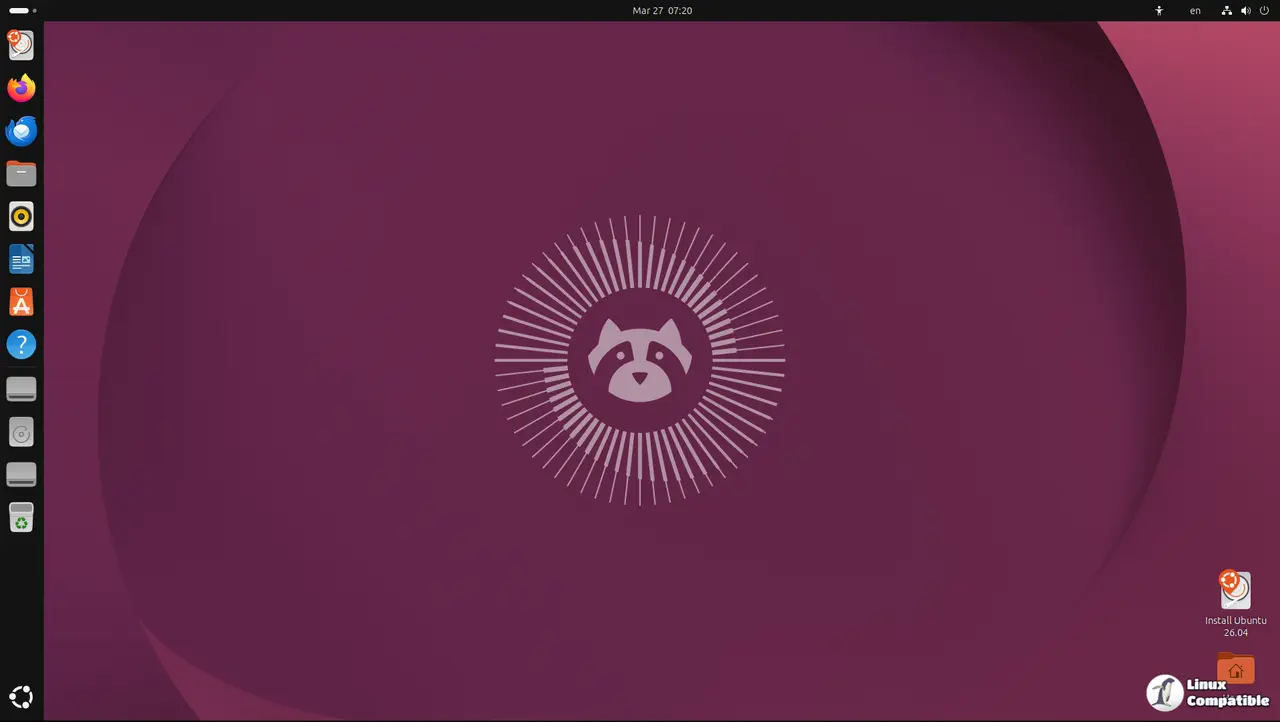
Tens of millions of systems are still on 24.04, one of the most popular LTS releases in Ubuntu's history. For all of them, the green light is finally on. The 26.04.1 point image shipped around August 27, 2026, packing every fix and security patch Canonical spotted since the original April 23 launch. Think of it as the "clean" copy.
Why the wait?
Canonical didn't flip the switch casually. The 26.04.1 image exists partly to make this transition actually land.
Its changelog carries a dedicated "Upgrade bug fixes" section. That's the home of tweaks like setting Prompt=lts in the release-upgrade data, so the tool offers LTS-to-LTS moves instead of nagging you toward interim releases. The release team describes the point release as "the consolidation of fixes and improvements identified during the initial launch." The path was stress-tested first.
Upgrades remain free, which is about as predictable as Ubuntu gets.
Resolute Raccoon is R for Resolute, following Ubuntu's alphabetical adjective-animal tradition after the Q releases of 25.10. It's a small detail, but the naming discipline is one of those things that only matters if you've been tracking the cadence for a while.
What's actually new
The desktop gets the loudest treatment. GNOME 50 arrives here, up four generations from GNOME 46 in 24.04. That's a LOT of upstream progress squeezed into one jump: hardware-accelerated screen recording, HDR, fractional scaling fixes, grouped notifications, and a redesigned remote desktop with NVIDIA support.
The core app suite gets a full rewrite too. Documents becomes Papers, Images becomes Loupe, the terminal becomes Ptyxis (with built-in podman and distrobox support), System Monitor becomes Resources, and Totem is replaced by Showtime.
A few policy shifts are worth flagging. Ubuntu Desktop now runs Wayland-only, so GNOME Shell can no longer fall back to X.org. X11 apps still work through XWayland, and NVIDIA cards are fully supported on Wayland now. Fractional scaling is on by default. The legacy Software & Updates app has also been removed from the seed, though you can pull it back with sudo apt install software-properties-gtk.
Moving from GNOME 46 to 50 is a four-generation leap, and that's a lot of desktop change to drop on users at once.
Server changes demand attention
If you run a server, read the next part carefully. Several upgrades here require manual intervention, and some will bite you if you ignore them.
OpenSSH jumps to 10.2p1 and now defaults to a post-quantum key exchange. Weak DSA signatures are gone. MySQL 8.4 LTS is MySQL's first official long-term release, and it deprecates mysql_native_password, so accounts still on it get locked out unless you migrate to caching_sha2_password.
Chrony now replaces systemd-timesyncd as the default time daemon. PostgreSQL 18 promises up to 3x storage read performance. PHP, Django 5.2 LTS, Samba, Dovecot, Postfix (no longer chrooted by default), Squid 7.2, and a handful more all show up on the list.
There's also a new Hardware Enablement virtualization stack (qemu-hwe, libvirt-hwe, and friends) so LTS users can track newer QEMU and libvirt versions without waiting for the next big release.
Toolchains, cloud, and kernel
Developers get a modern toolbox out of the box: GCC 15.2, Rust 1.93, Python 3.14, LLVM 21, Golang 1.25, Zig 0.14.1, OpenJDK 25, and .NET 10.
The cloud images are the quiet gotcha. They're now built with AMD64v3 by default, which drops support for legacy AWS instance families and old Intel CPUs like Ivy Bridge and Sandy Bridge. If you're running an M1 or C1-class instance, that's a nudge to migrate.
The kernel moves to 7.0 (from 6.8), crash dumps turn on by default, and the real-time kernel is now free and living in the main archive.
Support timeline
Ubuntu 26.04 is a standard LTS, so it gets five years of updates, running until April 2031. Ubuntu Pro stretches managed security to ten years, and the Legacy Support extension has been bumped to 15 years.
The next interim, Ubuntu 26.10 "Stonking Stingray," is already in development.
Should you upgrade?
Read the 26.04 release notes first if you run server services. Defaults and auth methods have shifted enough that a blind upgrade is asking for trouble. Test it somewhere that isn't production, especially if you lean on the removed PreLogin/PostSession scripts or the now-chrootless Postfix. If you're on legacy cloud instances, plan the AMD64v3 migration before the kernel forces the issue. Then either wait for the Update Manager notification or run do-release-upgrade yourself. Both are free and now officially enabled for 26.04.1.
Head here for the desktop upgrade guide and here for the full 26.04.1 release notes before you start.


