Ubuntu 26.04.1 LTS "Resolute Raccoon" Lands, Wrapping Latest Fixes into a Fresh Install
Canonical dropped Ubuntu 26.04.1 LTS on Thursday. If you're running the April 23 baseline release, this is the most practical point release you'll touch until next spring's .2 ships.
A .1 release isn't a feature dump. It's an updated installation medium packed with every security patch, kernel bump, and high-severity bug fix collected since the original LTS launched. Your existing system pulls the same fixes through apt upgrade, but the fresh ISO means a new install skips weeks of post-setup downloads.
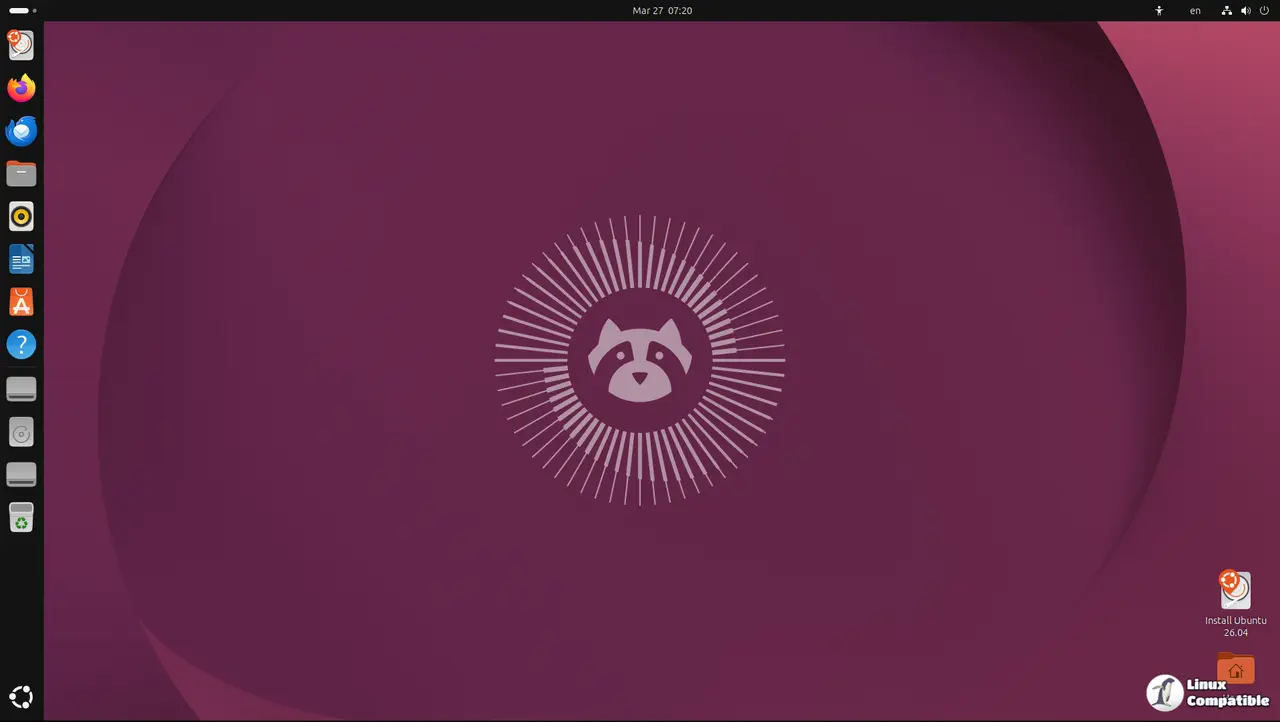
The Desktop Stack Gets a Rust Injection
The desktop story this cycle is dominated by two things. Wayland is now the only supported session for GNOME, and Rust has quietly rewritten large chunks of the userland. sudo-rs ships as the default now. GNU coreutils got the same treatment.
You'll lose familiar terminals and file managers, replaced by Rust-backed replacements. Ptyxis handles the command line with container integration. Papers replaces Evince for PDFs. Resources monitors GPU, NPU, and clock frequencies in a single pane. GNOME 50 rounds out the visual layer, bringing notification grouping, triple buffering, HDR output support, and variable refresh rate improvements.
It's a steep climb from GNOME 46, though Canonical says NVIDIA Wayland stability has finally caught up. Hardware-accelerated screen recording and improved network navigation in the file manager are among the more practical additions.
Keep in mind that X.org sessions are completely gone for the desktop now. XWayland still handles the occasional legacy app, but if your workflow depends on direct X11 output, you'll want to test before committing.
Server, Networking, and Dev Toolchains
The server stack moved aggressively. PostgreSQL hit version 18 with storage read performance improvements claimed at up to 3x. MySQL finally reached LTS status with 8.4, while MariaDB got full main-archive support with hardened systemd files. OpenSSH 10.2 enables post-quantum key exchange by default, which is about as forward-looking as networking gets right now.
Developers get a similar jump. GCC is at 15.2, Python at 3.14, and Rust at 1.93. Zig made its first official appearance in the archive at 0.14.1. .NET 10 is now installable directly from apt, and the CUDA toolkit dropped an official archive package for the first time.
The virtualization stack got a dedicated Hardware Enablement track. qemu-hwe, libvirt-hwe, and edk2-hwe packages update twice yearly, aligning with interim releases. Containerd 2.2.2 and runc 1.4.0 locked into stable paths for the rest of the LTS cycle.
Not all of the changes are clean migrations. Software & Updates disappeared from the default install. cgroup v1 got stripped from systemd. The old PreLogin and PostSession scripts around GNOME's login flow are gone, replaced by PAM modules. If you built custom wrappers around those, you'll need to migrate before touching the next upgrade.
The official upgrade path opens roughly two weeks from today. Update Manager will prompt 24.04 users automatically, but Canonical is waiting for rust-coreutils backports to sort out lingering regressions first. Support runs through April 2031, or up to a decade with Ubuntu Pro. All eight official flavors updated simultaneously, each keeping its own three-year lifecycle.
It's a lot to digest in a single point release. The Rust shift in particular will frustrate power users who built custom wrappers around GNU tools, though the memory safety and performance gains are hard to ignore. The fact that it's locked behind a fresh install medium means you're either wiping and starting clean or waiting for the apt-based migration to stabilize.
Head here to grab the ISOs. The official release notes document every change since 25.10 if you need to verify a specific package version before committing to the upgrade.


