Valve released SteamOS 3.9.3 Beta, shipping its heaviest pre-release build yet for the Beta and Preview channels. The cumulative update brings Linux 7.2, KDE Plasma 6.7.3, and a switch to the wpa_supplicant WiFi backend, plus fixes for games like ELDEN RING on Intel Panther Lake and Forza Horizon 6 on the Legion Go 2. A quiet package rename from steamos- to holo- signals Valve's push to spread the OS beyond its own devices. The beta installs manually via Settings => System => System Update Channel, but it remains pre-release software aimed at early adopters.
Valve Ships SteamOS 3.9.3 Beta With Game Fixes, Android Binder IPC, and More
The cumulative SteamOS 3.9 build gains a newer kernel, desktop, and WiFi backend as Valve quietly pushes the OS well beyond the Steam Deck.
Valve released SteamOS 3.9.3 Beta and it's the heaviest single pre-release build it has shipped for the platform in a long while. This one aims at the Beta and Preview channels only, so the rough edges are still being ironed out. You can update, but you shouldn't expect perfection yet.
The build is also cumulative, which matters more than it sounds. Instead of a fresh pile of changes, 3.9.3 bundles everything Valve has done since the last Stable release, SteamOS 3.8, then tops it with whatever trickled in since the 3.9.2 Beta. The section Valve calls "New in SteamOS 3.9.3" lists only the genuinely fresh work for this specific release.
So the two big numbers worth committing to are bigger than this one build.
What's actually in 3.9.3
Three headline changes define the whole 3.9 line. First, the kernel jumps from Stable's 6.16 LTS to 7.2 on the Beta branch. That brings newer driver support for recent silicon, security patches, HDMI 2.1 support, and cache-aware CPU scheduling to trim latency. Community observers were glad to see a 7.x kernel land rather than wait longer.
Desktop Mode gets KDE Plasma 6.7.3, up from the dated 6.4.3. For the non-gaming desktop you drop into when you want to poke at files instead of playing, that's per-screen virtual desktops, a light/dark toggle, an improved on-screen keyboard, text recognition in the Spectacle screenshot tool, and printer jobs showing up in the tray.
The less glamorous change might win. New installs now use wpa_supplicant as the WiFi backend instead of iwd, and Valve added fast reconnect-on-resume support. That's a direct answer to the perennial complaint about Steam Deck WiFi refusing to reconnect after waking from sleep.
Then there are the games that actually broke. A patch fixes ELDEN RING and DARK SOULS III failing to run on Intel Panther Lake CPUs, a launch-blocking bug for new Intel gear. If you've been holding off on a Panther Lake system, this clears the road. Forza Horizon 6 no longer crashes on the Lenovo Legion Go 2, and some ASUS devices will stop screaming their fans on wake from sleep.
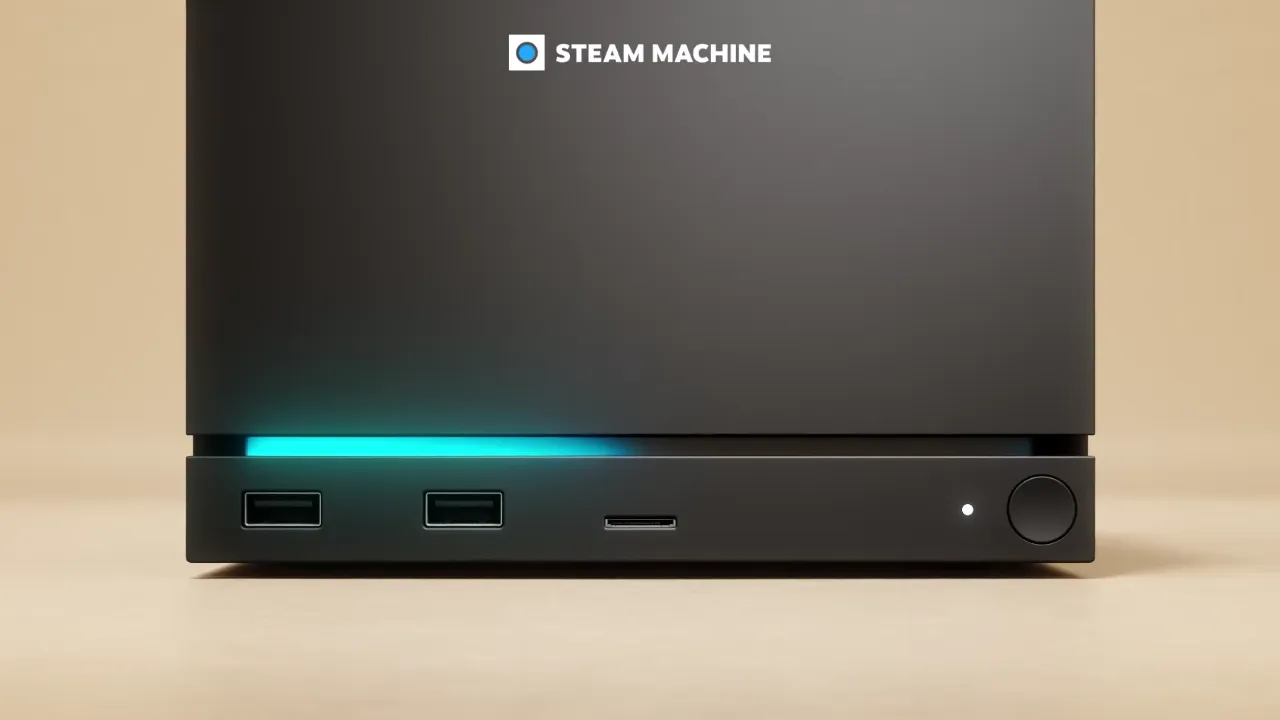
This build adds a few more on top. There's a performance fix for STAR WARS: Galactic Racer on resume from suspend (Steam Machine), a GPU error workaround for The Crew Motorfest, and audio issues worked out for certain monitors in a multi-monitor setup.
Two changes are easy to miss but worth flagging. Valve brought Android binder IPC back, restoring the inter-process communication that underpins Android app interoperability. There's also preliminary hibernation support, though it's still hidden from Game Mode.
The quietest change of all is a package rename. Scripts and packages have moved from the steamos- prefix to holo-, with the old names kept as aliases so you won't notice it in the interface. It's an internal, build-system tweak. But a naming scheme less wedded to "Steam Deck" is far easier to spread across other manufacturers' hardware without implying the whole thing is a Valve-only product. It lines up neatly with Valve's effort to decouple the OS from the Deck.
The pace of this cycle has been unusual anyway. In the months since the 3.9 line hit the Preview channel in late August, Valve has shipped a near-continuous stream of builds. It's fast, even for Valve, and it reflects how much ground the OS has covered since it first booted on third-party PC hardware in 2025.
Why it matters, and how to get it
Valve makes essentially nothing from licensing the OS itself. Every device that boots into SteamOS boots into Valve's store, cloud saves, and Steam Input rather than a Windows desktop where Game Pass promotions compete for attention. Every unofficial SteamOS install on a Legion Go 2 or ROG handheld is a Windows 11 license its competitor doesn't capture, while Valve lands a user embedded in its own ecosystem.
The backdrop is Windows 11. Microsoft's handheld full-screen mode has closed some of the usability gap that once made SteamOS attractive on small screens. The Deck's edge is day-one Proton depth and a lighter, controller-first OS with better battery efficiency. But those only pay off if the OS is actually installable on what people buy.
The limits are real. Anti-cheat systems that won't run under Proton remain the biggest practical snag. Nvidia support lags because every first-party device uses AMD silicon, so driver priorities naturally favor AMD. Windows 11 still covers more of the library, and SteamOS stays a strong alternative for AMD-based gear rather than a universal replacement.
The beta doesn't arrive on its own. Opt in via Settings => System => System Update Channel => Beta, then confirm the build in Desktop Mode with cat /etc/os-release.
A few caveats. It's pre-release software, so expect rough edges. Existing installs keep using iwd unless you manually switch to wpa_supplicant in Developer Settings. Hibernation is present but not exposed to Game Mode. And third-party hardware like the Legion Go 2, ASUS handhelds, and generic Nvidia PCs still lean on community guides with no OEM backing.
Head here to read Valve's full announcement.


