Proxmox VE 9.3 has been released as a storage-focused point release that adds a cluster-wide SAN view and guided multipath setup for iSCSI, Fibre Channel, and NVMe over Fabrics. Its snapshots-as-volume-chains feature finally goes production-ready on thick-provisioned LVM, closing out a preview first shipped in 9.0. Alongside the storage work, the update brings unique guest identities, GUI-based HA maintenance, nested notification rules, and a stricter firewall with an opt-in nftables backend. Proxmox notes VE 8 is now end of life, so 8.x users should upgrade, while 9.2-to-9.3 jumps are supported over both apt and the GUI.
Proxmox VE 9.3 ships with a hard focus on enterprise storage
The latest point release dials in shared storage, putting SAN management and multipath dead center.
Proxmox VE 9.3 has been released, and it actually has a thesis. Whereas a lot of point releases feel obligated to cram in novelty features, this one narrowed its scope to the part of running a multi-node cluster that genuinely drives operations teams mad: shared storage. SANs, multipath, and the manual LVM configuration that tends to break halfway through.
Keep in mind that this is still a "point" release in Proxmox's release cycle, meaning it stacks incremental changes on the same Debian foundation as 9.0 through 9.2. The company now reportedly powers over 2.6 million servers and counts roughly 3,600 integration partners, so don't mistake this for a pet project. People run Proxmox on infrastructure they can't afford to lose.
The storage work, and why it matters
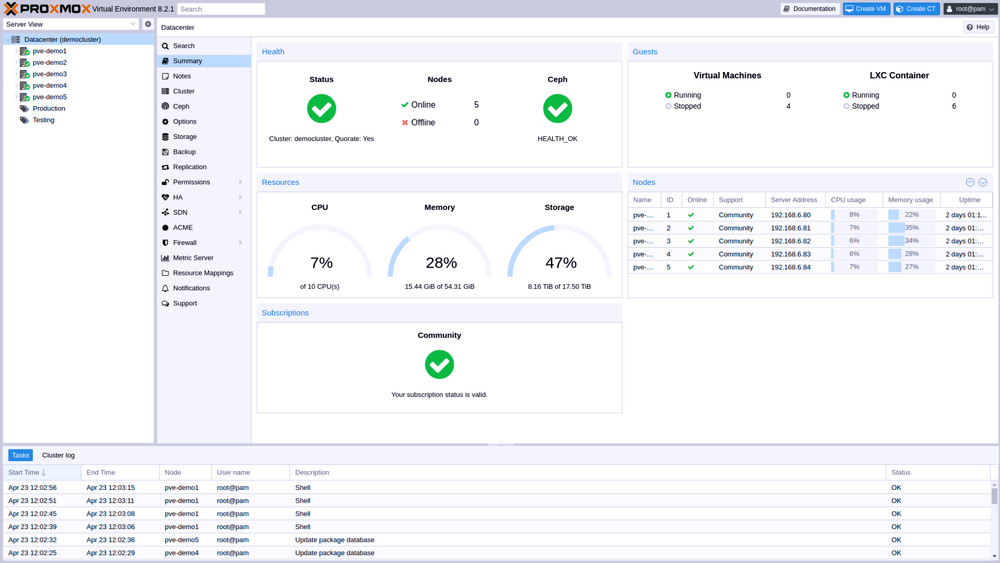
The headline is a cluster-wide SAN view tucked under Datacenter => SAN, showing LUN path state across every node in real time. A guided setup flow then walks you through multipath config for the whole cluster and provisions shared LVM storage on iSCSI, Fibre Channel, and NVMe over Fabrics LUNs straight in the browser. Human error is basically baked into the command-line workflow those setups have always required. A community member put it more gracefully than I can: getting the same config done cluster-wide through the web GUI is a real upgrade, even if the wording was rough around the edges.
Proxmox has been circling this idea for a couple of years now, ever since NVMe-oF support landed in the 8.x cycle and stayed a command-line-only affair. The dedicated NVMe-oF storage type in 9.3 finally closes that gap. Each node connects through every configured portal, and the kernel's native multipath combines paths into one device per namespace, reconnecting dropped paths on its own. iSCSI storage picks up a Multipath option too.
Snapshots-as-volume-chains, first previewed in 9.0, are now production-ready on thick-provisioned LVM. It stays opt-in behind an advanced storage setting, and covers the SAN use cases enterprise buyers actually care about. Per Proxmox's Thomas Lamprecht, nothing under the hood is fundamentally different from the 9.0 version, since the team just ironed out the kinks until it was solid enough to retire the tech-preview label. Proxmox even dropped that warning from the storage dialogs.
Everything else you should know
Beyond storage, the release touches enough surrounding plumbing to be worth a look.
Unique guest identities are one of the more quietly useful additions. Each VM or container gets an identifier that holds steady across migrations, snapshot rollbacks, backups, and restores, even if it lands in a different cluster or takes a new VMID. Backup software can finally trust that "guest 17" today is still "guest 17" next month.
There's also day-to-day maintenance that got easier. HA maintenance mode is now a toggle in the GUI, so you can schedule a host reboot without reaching for the command line. The system log got color-coded and filterable, a new API access log joined it, and APT history surfaces past package transactions with changelogs. Notifications gained nested match rules, letting you drag-and-drop conditions like "send this only during business hours and only above a certain severity."
Storage vendors seem pleased. Blockbridge says 9.3 passed its qualification matrix, and a Blockbridge rep mentioned that some customers have been waiting a while for a PureStorage plugin. The web UI can now build configuration forms for third-party storage plugins on the fly, masking passwords and keys as it goes.
On networking, Simple zones can use dedicated VRFs to isolate their routing tables, and WireGuard fabrics now report handshake times, allowed IPs, and traffic counters in the management UI. The nftables-based firewall graduates out of tech preview, though it stays opt-in with the legacy iptables version remaining the default. If you flip the backend, running guests need a restart, but staff confirmed you can live-migrate guests off a node, reconfigure it, and migrate them back with no downtime at all.
Now for the fine print, which is where upgrades actually get interesting. The firewall now rejects some rules it used to quietly accept, and flips the coin by applying rules that previously did nothing. Check the system log after upgrading for skipped or newly-enforced rules. It's easy to assume your access control lists behave exactly as they did before the update. They might not. A new API token policy under Datacenter => Options can require expiration dates and privilege separation, the kind of detail that keeps compliance teams calm when a PCI DSS or SOC 2 auditor swings by.
The underlying stack runs Debian 13.8 "Trixie," kernel 7.0 as the stable default (7.3 available opt-in), QEMU 11.1, LXC 7.0, OpenZFS 2.4, and Ceph Tentacle 20.2.5 as stable, with Ceph Umbrella 21.2 as a preview. The opt-in 7.3 kernel tracks kernel.org upstream more closely, which trims the lag between upstream fixes and what you actually ship.
Two operational caveats. Growing an existing iSCSI LUN now needs a manual rescan, since the storage stops doing a full rescan across every path, a fair trade for the ALUA kernel log floods it used to spew. And the stricter firewall validation above means you should audit your rulesets post-upgrade.
Proxmox VE 8 went end of life in August 2026, so running it today means running a build with no security fixes. The advice is direct: upgrade. If you're on 9.2, the 9.3 jump works over both apt and the GUI, and upgrading node-by-node with the noout flag set avoids unnecessary rebalancing.
The roadmap tells you where it's headed. Snapshots-as-volume-chains will expand beyond LVM into NFS and CIFS, storage replication gets pushed past ZFS, and multipath keeps improving. Those are all areas this release starts tugging on. Further out sits an OCI image model, native full-disk encryption in the installer, and that long rewrite of the web UI in Rust.
Head here for the forum announcement.


