PixiEditor 2.1.2.2 Ships with Targeted Fixes for Animation Workflow and Shader Nodes
PixiEditor 2.1.2.2 dropped today, and it is exactly the kind of quiet update every open-source editor needs. This patch tightens up the animation timeline, fixes a long-standing shader compilation hurdle, and corrects alpha handling in procedural workflows. Not a single new brush. Just fixes.
Built on C# and AvaloniaUI under the LGPL-3.0 license, PixiEditor has quietly built itself into a serious alternative for 2D artists. It currently sits at around 8,000 GitHub stars, a community-driven project that does not rely on corporate backing. The last major drop, 2.1.2.1, landed back in late July and packed in a bunch of new nodes and tools. This one is about making sure those tools actually behave when you use them.
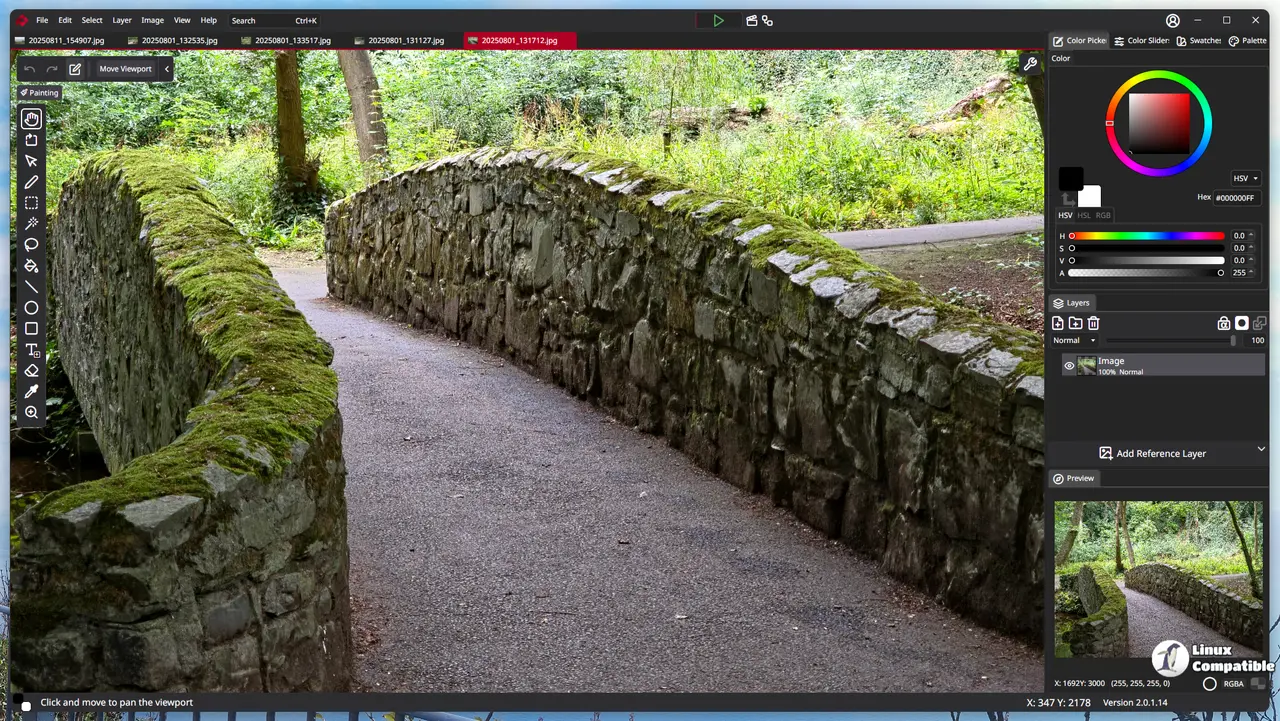
Animation and Shader Fixes
The animation editor had a habit of showing blank frames whenever you duplicated a layer or changed frame length. That is about as frustrating as it sounds. Contributor Ghoti-tpt tracked down the issue alongside a memory leak that made frame manipulation feel sluggish, and now Pixel Perfect tools behave properly inside the timeline instead of throwing their hands up.
Next up, the shader node code. If you have ever tried to compile modern GLSL shaders without an explicit version directive, you know the drill. The default node template now starts with #version 300, which means your procedural textures will actually compile on modern OpenGL and WebGL contexts.
There is also a fix for how the editor handles alpha blending in procedural nodes. Equbuxu patched the begin/end modify image workflow to properly premultiply and unpremultiply colors at the right times. That alone should stop the ugly artifacts that usually show up at layer boundaries when you are stitching sprites together. On top of that, a subtle rename bug in the GLSL variable system has been squashed. It turns out the editor used to confuse the color keyword with the actual uniform name color.
Platform Availability and Cadence
The patch ships as standalone binaries for Linux, Windows, and macOS. You can grab a ~55 MB Windows installer, generic Linux packages around 86 to 107 MB, or the macOS bundle, which clocks in at a hefty ~238 MB. That larger footprint happens because Apple’s build ships with a bundled .NET runtime to cover both Apple Silicon and Intel Macs without relying on a system install.
Flabbet handles releases and packaging, and this update also includes updated Flatpak metadata. Linux users running Flathub will get a clean update through their package manager. The project is sticking to a roughly monthly cadence right now, which says it is settling into a reliable rhythm rather than dropping surprise feature dumps every other week.
It is not a flashy release. There are no new gradient tools or node types here. But if you spend actual time animating frames or building procedural shader networks, these are the exact regressions that quietly drive a workflow off the rails. Fixing them matters more than adding another feature flag.
Head here to grab the binaries straight from the GitHub releases page. Linux users on Flatpak can pull the update from Flathub.


