Manjaro Linux 26.1.2 "Bian-May" lands with GNOME 50 "Tokyo" and Linux Kernel 7.1
The third point release of the 26.1 cycle is here, and it brings a full suite of desktop upgrades. Manjaro 26.1.2 "Bian-May" dropped today, September 10, 2026. If you've been tracking the Stable branch, you've likely already moved to this state by running a standard sudo pacman -Syu. For new users, the ISOs are available now.
Bian-May started its life back on August 12, 2026. We got a quick point release on August 25, and now we're at 26.1.2. The team has been moving fast. The project lead Phil Müller noted the Stable update effectively marked the completion of the Bian-May cycle, though point releases keep arriving as the rolling model dictates.
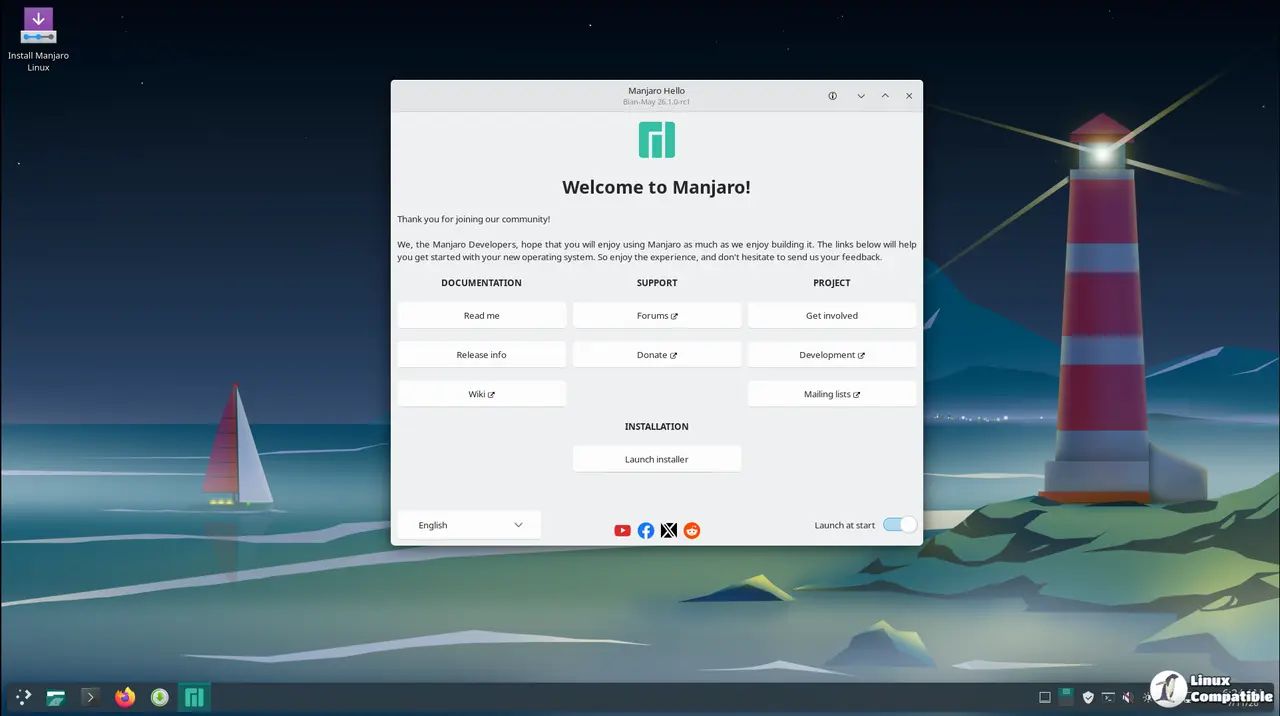
The big software changes
The headline feature is the arrival of GNOME 50 "Tokyo" on the GNOME edition. Upstream shipped it in March, and Manjaro has spent the last six months polishing it. The big additions here are parental controls and hardware-accelerated remote desktoping. Yes, the "Tokyo" codename honors GNOME.Asia Summit 2025 organizers, though the name might make you think of a specific browser's predecessor.
KDE Plasma 6.7 users get the usual iteration of refinements. Global themes can now swap instantly between light and dark modes without a restart. The system tray actually shows background Flatpak apps now. It's minor stuff, but it adds up.
XFCE 4.20 makes an appearance too. Thunar gets file highlighting and recursive search. The panel can now stay on top of maximized apps. It's a steady update, not a revolution, which is exactly what XFCE users expect.
Kernel 7.1 is in
The main kernel for this release is 7.1, which Linus Torvalds announced in June. It brings a fully rewritten NTFS filesystem with proper write support. That's been a long time coming for Linux users. The BPF subsystem can now replace the io_uring dispatch loop, and the scheduler gains initial support for sched_ext sub-schedulers.
Old hardware isn't forgotten. You can still install minimal ISOs with Linux 6.18 LTS or 6.12 LTS kernels. If you're on legacy GPUs or need stability over new features, that's your path.
One note: if you're running older NVIDIA hardware, this is a good time to check your drivers. The 590xx series no longer supports Pascal or older GPUs. If you're stuck on a GTX 10-series card, you'll need to switch to the legacy 580xx driver packages before they disappear from the repo.
Head here for the release announcement.


