Liquorix Kernel 7.1-16 Lands, Merging Linux 7.1.10 with Project-C Refinements
The enthusiast kernel gets a stable upstream bump without any major new downstream features.
Steven Barrett has shipped Liquorix Linux Kernel 7.1-16, a clean merge of upstream Linux kernel v7.1.10 paired with the project's existing v7.1.10-lqx1 patch series. It's a stable refresh rather than a feature dump. You get roughly two months of upstream bugfixes while keeping Project-C's scheduler work intact.
Liquorix has never chased mainline status. It's a Debian-packaged, AMD64-only kernel tuned specifically for interactive workloads. The project ships exactly what it advertises: hard-kernel preemption, a 1000 Hz scheduling tick, Kyber and BFQ disk schedulers, and TuxOnIce support. If you're running anything other than 64-bit x86, this release isn't for you.
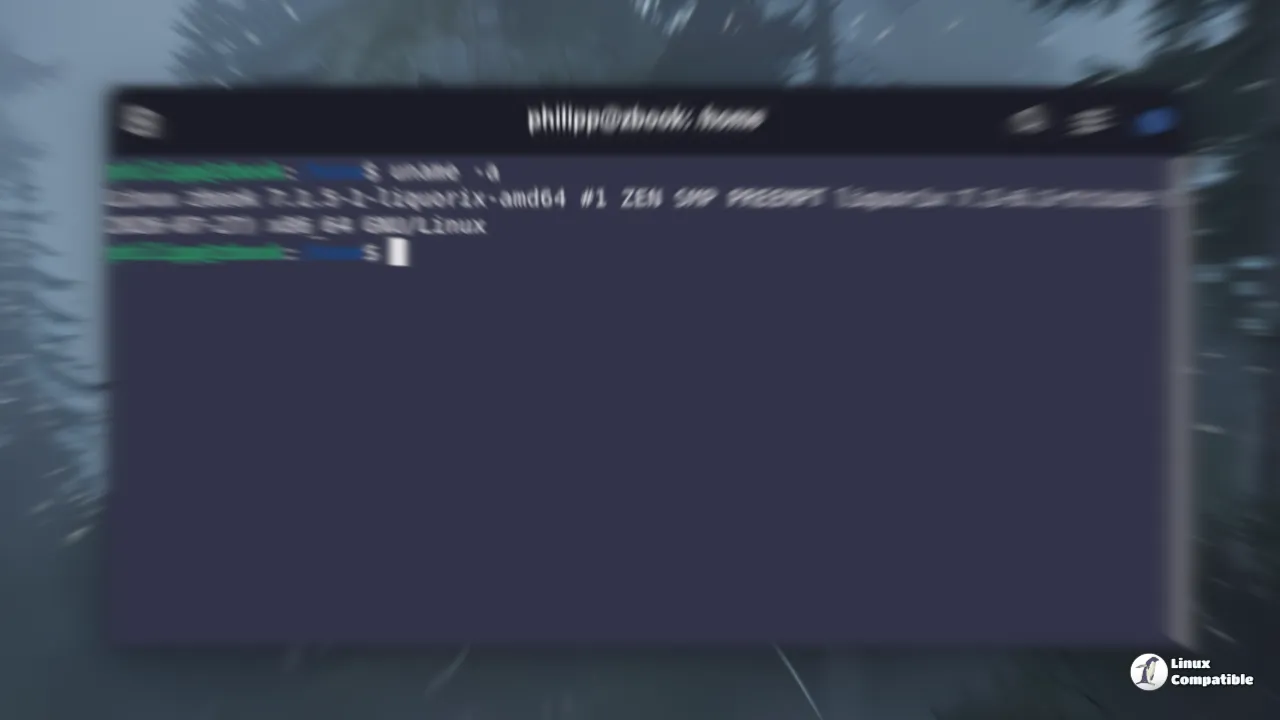
What Actually Changed
This version sticks close to the bone. No new downstream features beyond what 7.1-15 already shipped. The upstream 7.1 stable tree has logged ten revisions so far, covering everything from Uniwill laptop platform tweaks to split-lock detection tuning. Barrett noted that the 7.1.x generation focuses on stabilizing recent hardware quirks rather than introducing sweeping changes. For Liquorix users, that means you're getting the upstream reliability fixes without losing Project-C's ongoing scheduler work.
The real ongoing story here is Project-C. Across the 7.1-15 and 7.1-16 cycle, Barrett has been chipping away at sched/alt routines. Recent commits tighten bit operations on prio_balance(), prune dead policy hooks, and route priority updates through cleaner internal seams. It's granular stuff, but that's exactly how you cut jitter out of a gaming or DAW workflow. The scheduler family remains TuxOnIce-compatible and continues to run alongside the standard CFS implementation rather than replacing it outright.
Housekeeping improved along the way. Version 7.1-14 aligned security modules with Arch, Debian, and Ubuntu defaults, enabling AppArmor and Landlock while flipping on CONFIG_SECURITY_LOCKDOWN_LSM. Threaded IRQs have been on by default since 7.1-13, and you can still roll back with nothreadirqs if a specific driver misbehaves. Keep in mind that Linux 7.1 is a non-LTS branch, so you'll be moving to 7.2 or waiting for a future LTS variant if you plan to stick with this tree long-term.
It's a solid refresh. The lack of flashy new features is by design. Liquorix thrives on incremental reliability rather than hype. The one-liner installer keeps friction low, though the AMD64-only constraint still limits who can actually use it. If you're chasing that last 5% of interactivity on your desktop, this is the kind of quiet update that actually matters.
How to Install It
The official script pulls the right package for your distro. It handles Debian Stable, Testing, Unstable, Ubuntu, and Arch Linux.
curl -s 'https://liquorix.net/install-liquorix.sh' | sudo bash
The project maintains over 4,068 commits across its history and builds everything via a Docker-based cross-distro pipeline. You're installing a proper distribution-style kernel package, not a custom Makefile experiment.


