Liquorix Kernel 7.2-1 Lands With Project-C Scheduler and 7.2.2 Base
Steven Barrett has released Liquorix Kernel 7.2-1, the first Liquorix kernel release based on the Linux Kernel 7.2 series. Liquorix is an enthusiast-grade Linux kernel built for low-latency desktops, gaming rigs, and audio/video workstations. The tag lands on GitHub with a verified GPG signature, pulls in upstream Linux 7.2.2, and pushes Barrett's custom Project-C scheduler as the default.
Liquorix has been a quiet mainstay in the Debian, Ubuntu, and Arch ecosystems for over a decade. If you want a drop-in replacement that favors snappy task rotation over power efficiency, this is still one of the few community kernels that ships real innovations instead of just rebundling mainline patches.
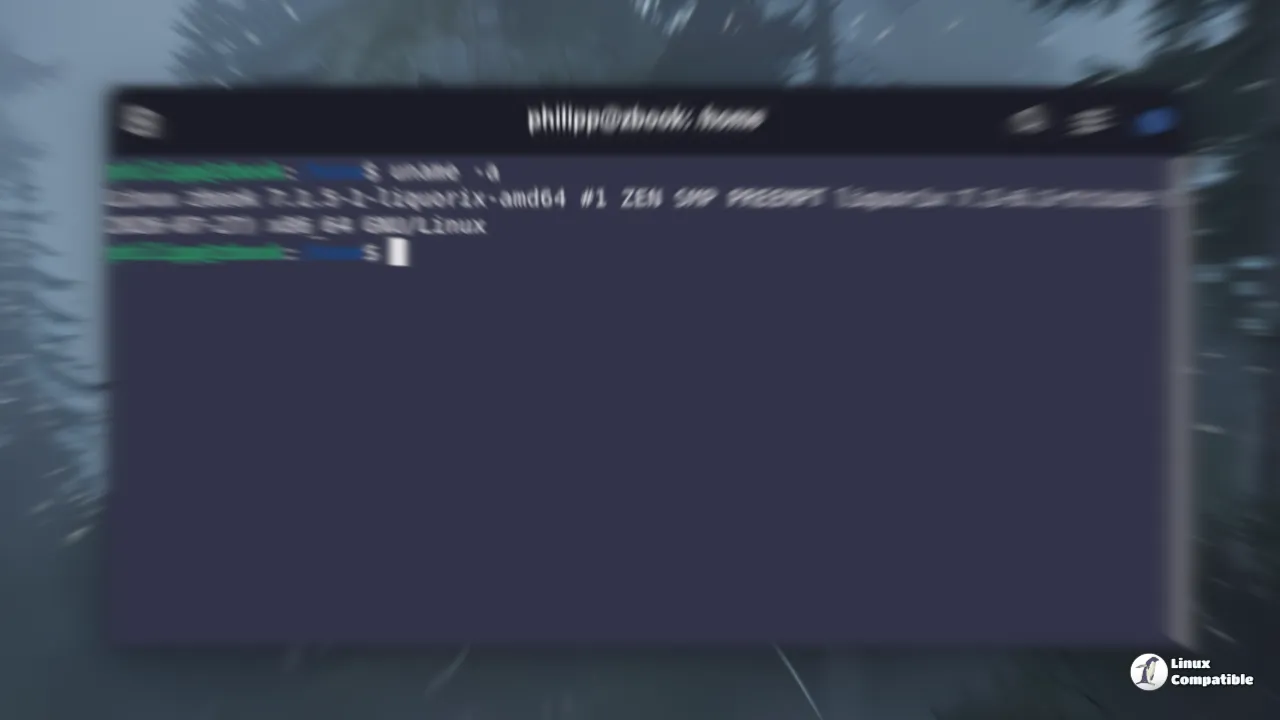
The release moved fast. Upstream Linux 7.2 dropped on August 16, and Barrett cut the 7.2-1 tag on August 31. The commit message reads exactly how a tired maintainer writes it at 4 PM on a Monday:
* switch to v7.2
* merge v7.2.2
* refresh config for v7.2.2
* update version to 7.2.2-1
Two weeks is a tight window when you factor in config refreshes, patch rebasing, and stabilizing a custom scheduler on a fresh base. That it already incorporates the 7.2.2 point release says more about his pipeline than it does about the kernel itself.
The Project-C Scheduler Takes the Wheel
The headline change in 7.2-1 is Project-C. Barrett introduced the project as a fork of his older PDS scheduler, and over the past eighteen months it has quietly become the default. The changelog shows a steady stream of microarchitecture-level tweaks that read like they were written by someone who actually disassembles binary blobs for fun.
Greedy task optimization sits at revision 104_r3. Wake-affine CPU placement now gates on wake_wide() and caches the last-level cache size per core. There is PSI (Pressure Stall Information) support baked in. Most importantly, the scheduler auto-detects heterogeneous CPU topologies, which matters a lot if you are running modern Intel or AMD chips with mixed performance and efficiency cores.
The usual Liquorix DNA is still there. Block layer defaults to kyber or bfq depending on your queue setup. CPU frequency thresholds trip at 55 percent load instead of the mainline 80 percent. Timeslices drop to 2ms. Kernel preemption is pushed to CONFIG_PREEMPT_VOLUNTARY territory without requiring full RT patches. Threaded IRQs are enabled by default. You will pay for that responsiveness in idle power draw, though.
You can install it in one line if you are running Debian, Ubuntu, or Arch Linux:
bashcurl -s 'https://liquorix.net/install-liquorix.sh' | sudo bash
The packages are signed with Barrett's verified key, so you will not need to bypass signature checks or run the kernel with --force flags.
Head here to liquorix.net and techpatterns.com if you want to dig into forum discussions about specific hardware quirks. The 7.2.2 tag is live, the scheduler work continues, and the next point release will likely follow the same aggressive cadence.


