KDE Plasma 6.7.1 Patches GPU Crashes and Fixes Broken Color Management
KDE Plasma 6.7.1, a new bugfix release, just dropped, and it brings a quiet but necessary cleanup to the desktop environment. The update targets three specific pain points that have been nagging users since the 6.7 rollout. Color management pipelines that broke on Nvidia and AMD hardware now get properly disabled. Multi-GPU swapchain handles stop throwing segmentation faults. Input reliability improves for anyone who relies on dead keys or compose sequences. Rolling this out matters more than chasing new features. The commit history shows developers spent weeks untangling EGL_EXT_device_query checks and swapchain buffer imports across KWin and Plasma components.
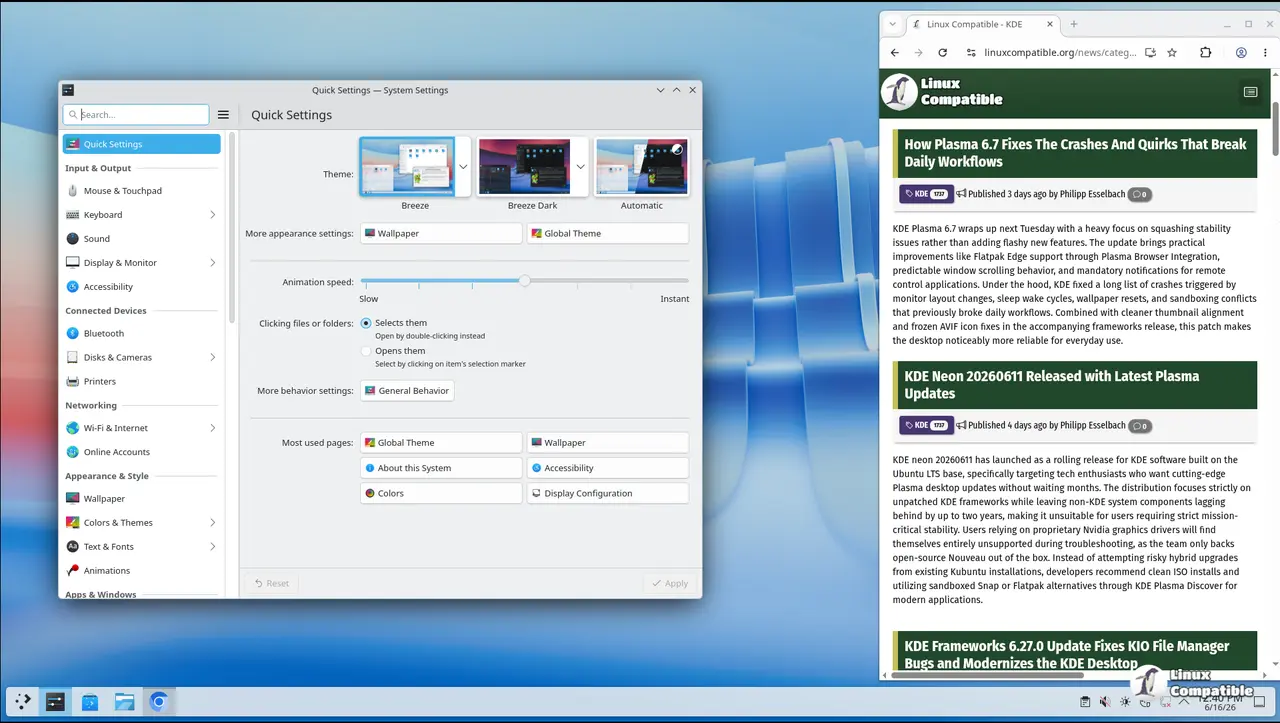
KDE Plasma 6.7.1 GPU and Color Management Fixes
The changelog spends heavily on DRM backends and OpenGL ES shaders. Developers finally noticed that color pipelines were causing silent failures on certain graphics drivers. The fix disables those pipelines on Nvidia and AMD setups by default. This prevents the desktop from fighting over screen gamma values when launching fullscreen games or hardware-accelerated video players. Testing showed that direct scanout was getting blocked by sliding notifications on some Wayland sessions. That issue gets resolved here. You will stop seeing washed-out displays after switching between workspaces. Multi-GPU setups get external-only texture handling that actually works. Vulkan swapchains import buffers correctly now instead of dropping frames. It works now.
Disabling color management feels backwards to most people. We spent years arguing about ICC profiles and hardware calibration. Turning it off seems like a step backward. It actually stops the desktop from fighting the graphics driver. Graphics pipelines get confused when both the OS and the GPU try to force their own gamma curves. The developers realized that stripping the problematic color code out was faster than patching every edge case. Systems that ran smoothly on 6.7 might feel noticeably more stable now.
Keyboard input and the dead key headache
Anyone who types in a non-English layout knows the frustration of a broken compose key. Plasma 6.7.1 tightens the diacritics overlay logic. The overlay no longer tries to close twice when dismissing input. Key repeat stays active when the overlay sits open. The update also touches keyboard configuration modules to stop showing undefined variants on hardware without layout metadata. Gamepad input emulation gets disabled by default in system settings. The developers decided that emulating a controller when none exists just created phantom inputs that broke emulation layers. That feature was never useful to begin with. If you actually plug in a gamepad, the system detects it properly. Task manager badges finally stop overflowing past the icon edges when CPU or memory usage hits extreme numbers.
Keyboard layouts rarely get the attention they deserve. The dead key handler now checks the compose sequence state before forcing an overlay refresh. This stops the cursor from jumping around when typing in Cyrillic or Greek alphabets. The fix also prevents key repeat from dying when the diacritics menu sits open. Text input stops feeling like guessing.
Immutable distro tweaks and session stability
Rpm-ostree users get specific attention here. The file watcher now waits sixty seconds before checking deployments. This stops desktop components from thrashing the disk on systems that update in the background. The commit limits filesystem triggers that were causing unnecessary wakeups. NetworkManager fixes a tray icon issue for virtual wired devices and resolves a session crash when the clipboard input capture gets destroyed unexpectedly. Users running Plasma Bigscreen on home theater PCs will notice that explicit QT_QUICK_CONTROLS_STYLE environment variables got dropped. The desktop now falls back to default styles automatically. Panel alignment writes to the correct configuration file instead of leaving panels stuck in limbo after a theme swap. The update path moves cleanly when applying look-and-feel tweaks. Color scheme changes blend smoothly instead of flashing harsh transitions.
Immutable operating systems usually break desktop components that expect a writable filesystem. Waiting sixty seconds gives the background update process time to settle. Desktop plasmoids stop spamming the disk with deployment checks. The fix respects the architecture of these systems instead of fighting it. Panel alignment finally reads from the right config file. We stopped seeing panels snap to the wrong side after a quick theme swap. That used to take half an hour to fix manually.
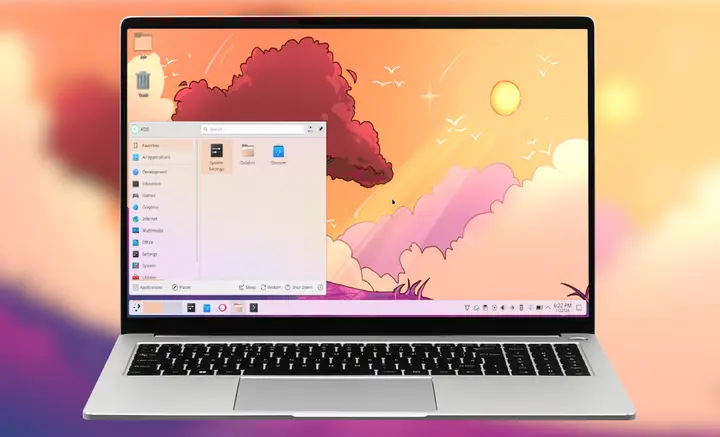
KDE Plasma 6.7.1, Bugfix Release for June - KDE Community
The KDE team kept this release lean. Feature bloat gets pushed out while the underlying graphics stack and input handling get tightened up. Systems that ran smoothly on 6.7 might feel noticeably more stable now. Roll out the update when the next maintenance window arrives. Keep an eye on the swapchain handling if you run a hybrid graphics laptop. The next release cycle will likely tackle wayland input capture protocols next. The compositor might finally stop dropping frames when switching between X11 and Wayland windows. Keep the terminal ready. Update paths always shift right before major releases.


