Kali Linux 2026.2 ships with GNOME 50, KDE 6.6, and drastically reduced VM boot times
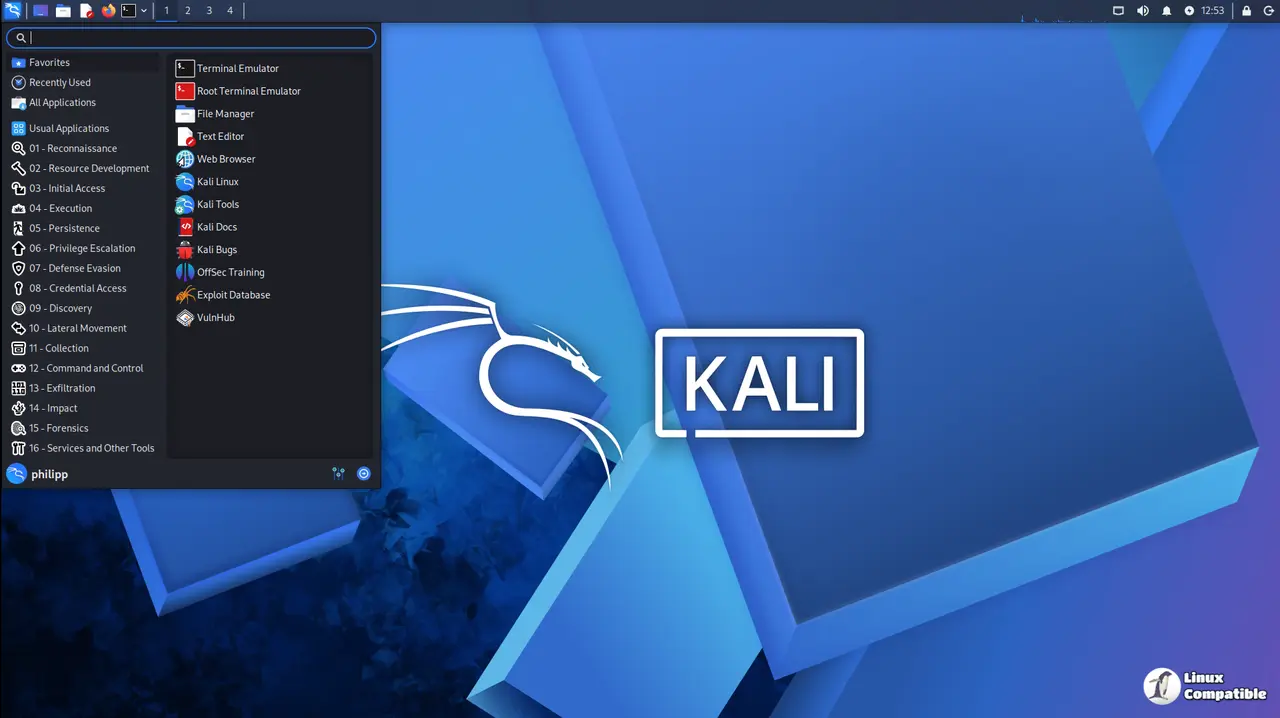
The second quarterly drop of the year is live. Kali Linux 2026.2 reached users today, delivering exactly what Offensive Security outlined: desktop environment refreshes, a long-overdue APT source format migration, and a virtualization optimization that trims the initrd to roughly a third of its previous size.
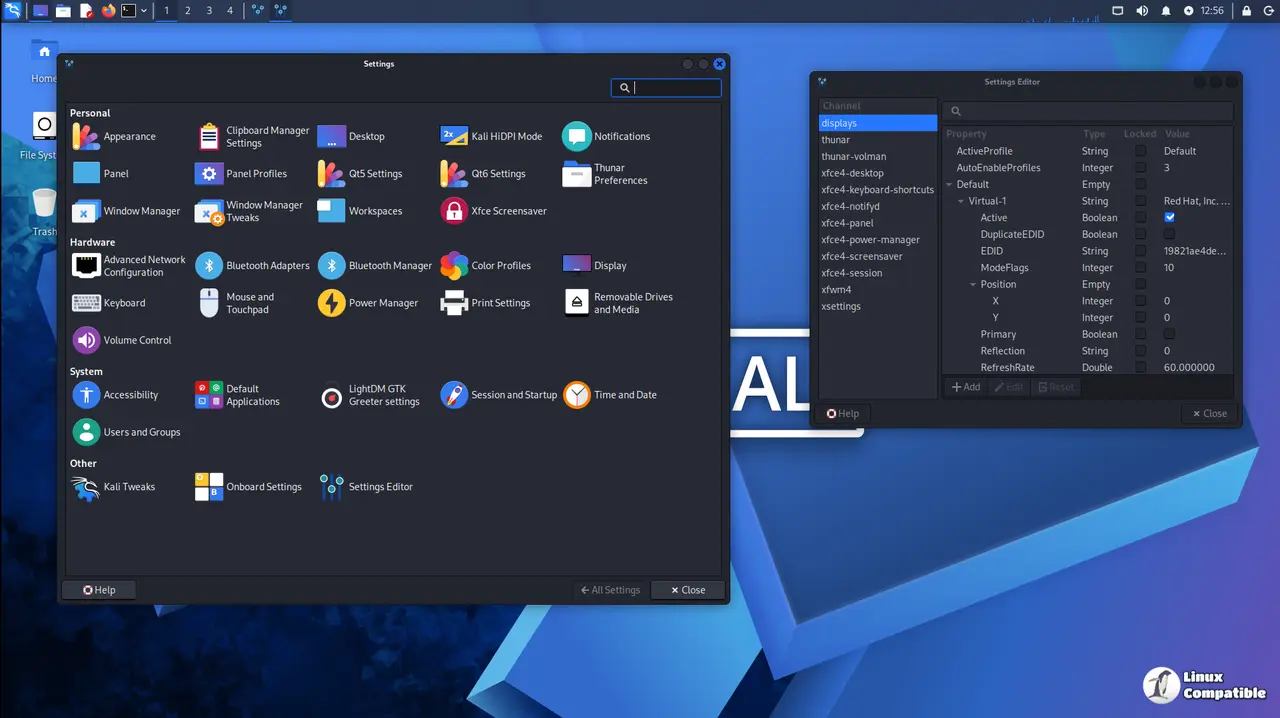
If you have been running a rolling install, this build will not feel revolutionary. It is a maintenance sprint that finally catches up to years of accumulated friction. The team has spent the last six months tightening helper scripts, trimming bloat, and bumping the desktop stack to GNOME 50 and KDE Plasma 6.6. Both environments lean into performance and accessibility without reinventing the wheel.
"We have been heads down since our last release," the team noted in the changelog. "And we are ready to share what we have been working on."
Faster VM boots and a new APT format
The headline change for most users will be invisible until they actually boot into a virtual machine. Kali's default initrd ballooned to around 200 MB, mostly because graphics firmware for NVidia, AMD, and Intel GPUs gets baked into the early boot system. That bloat meant slower boot times and a frustratingly small /boot partition for anyone running lab environments.
Starting with 2026.2, pre-built VM images skip that firmware entirely. The installer now detects virtual environments and automatically excludes the graphics blobs. The result is a 60 MB initrd and roughly three times faster boot times in QEMU VMs. Bare-metal installs stay untouched, of course.
APT's repository configuration is also getting a quiet overhaul. The age-old /etc/apt/sources.list is officially being retired in favor of /etc/apt/sources.list.d/kali.sources. The new deb822-style format is already supported by APT, and Debian has been pushing it for years. Old configs still work, but expect warnings soon. You will need to migrate your existing setups manually, though the process is documented in the new /etc/apt/sources.list.d/ man page.
Helper scripts, kernel politics, and the new toolset
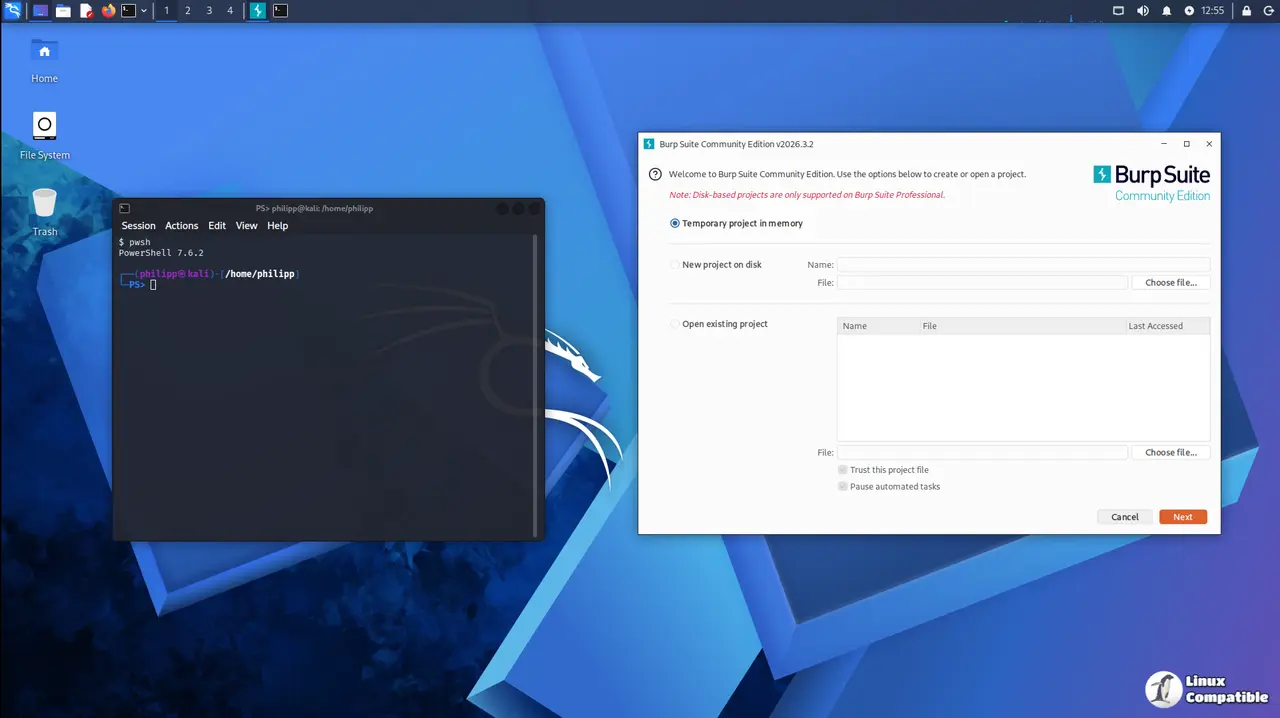
Helper scripts that manage background services just got a consistency pass. Tools that previously only offered a start command now come with unified stop, status, credential display, and URL-launching commands. If a Kali package runs a service, it will follow the <tool>-start and <tool>-stop convention from now on. The change applies to multiple packages that depend on background processes.
The kernel question came up again. Kali sticks with 6.19 for this build to avoid breaking NVidia DKMS drivers, which had reports of incompatibility with the 7.0 release. The polkit warning is actually buried three lines into the apt full-upgrade output, hidden between library dependencies and symlink creation. You will absolutely miss it on a fresh install.
If you do not care about proprietary drivers, the 7.0 kernel is sitting in kali-experimental right now. Pull the packages directly or enable the experimental repo and you can test it immediately. Hyper-V Enhanced Session users, you are effectively an xrdp user whether you realize it or not. The v0.10 upgrade breaks existing Remote Desktop connections without a restart. Disable and re-enable the Enhanced Session mode in kali-tweaks if you hit a wall.
Nine new packages landed in the network repositories: arsenal-ng, hydra-gtk, legba, oletools, penelope, shell-gpt, tailscale, tookie-osint, and uro. Shell-gpt is the one worth a look if you have been curious about local LLM workflows. Tailscale getting a first-class spot in the repositories is the real quiet win here.
It is not a flashy release. But it finally addresses the small operational headaches that pile up between major feature drops. The VM boot optimization alone will save anyone running labs serious time.
You can grab the fresh images straight from the Kali downloads page. If you are running an existing install, sudo apt update && sudo apt full-upgrade will pull everything in. Just do not forget to reboot after.


