How to Install and Upgrade PHP 8.5.7 on Fedora and RHEL Compatible Systems
Remi Collet just pushed out fresh builds of PHP 8.5.7 and PHP 8.4.22 for Fedora Linux and all major RHEL derivatives. These updates bring critical JIT stability fixes, OpenSSL 4.0 compatibility, and a few URI parsing vulnerabilities to the table. Getting them onto your server or workstation takes just a couple of dnf commands, but skipping the module reset step will leave you stuck on older releases.
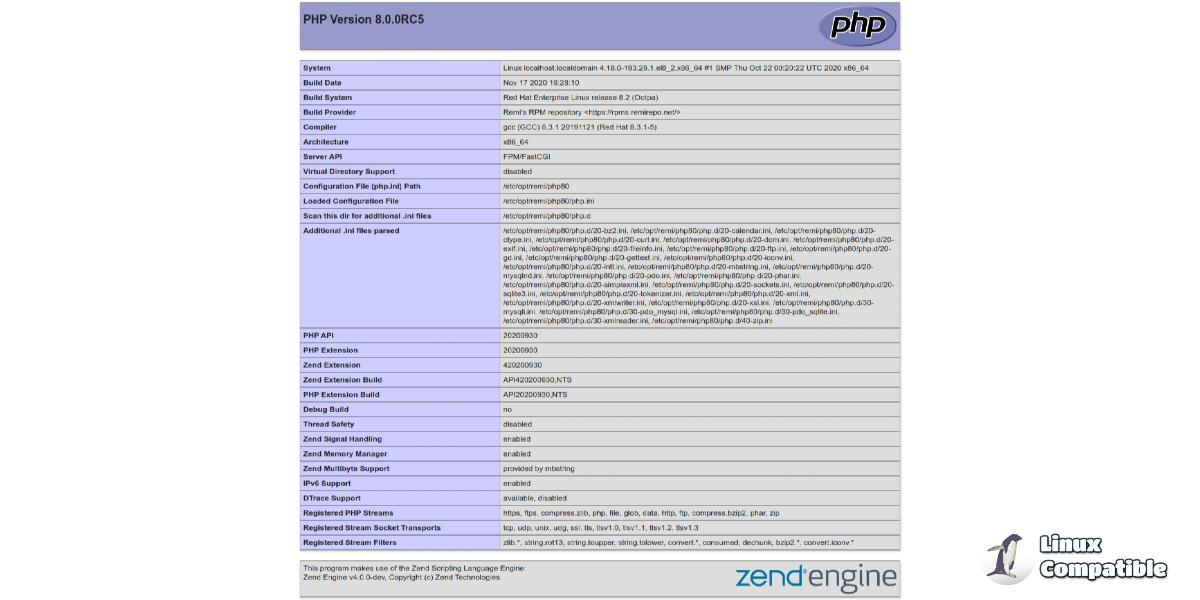
How to Install PHP 8.5.7 on Fedora and RHEL Compatible Systems
Switching the active PHP version on RHEL compatible distributions requires resetting the module stream before enabling the new one. Running dnf module reset php clears out any lingering configuration that might block the switch, which prevents package manager conflicts during the upgrade. The enable command points the system directly at Remi's modular repository so the correct binaries get pulled instead of falling back to outdated distro defaults. A standard dnf update finishes the job by installing the actual PHP 8.5.7 packages and their compiled extensions. Fedora users follow the exact same sequence since Fedora 42 and later handle module streams identically to Enterprise Linux. Parallel installations work just as well for developers who need multiple versions side by side, though those setups require installing php85 through the Software Collections path instead of swapping the system default. Server admins often skip the module reset step out of habit, which leaves systems stuck on legacy PHP versions until they manually purge the old streams and restart their web servers.
Why These Updates Matter for Production Servers
The PHP core team tends to bundle JIT tracing crashes and memory safety fixes together, which is exactly what shows up in this release cycle. Opcache gets hit hard with patches for VM interrupt handling during observed user function calls, along with a few assertion failures that used to crash the entire request process. The URI extension addresses two CVEs involving pointer truncation and false positive equality checks, so any application parsing external links or API endpoints should upgrade immediately. OpenSSL 4.0 compatibility also lands in both branches, which means systems running newer enterprise Linux builds will stop throwing handshake errors when connecting to modern endpoints. PHP 8.4.22 brings similar stability improvements while fixing a persistent free bug in MySQLnd and correcting how version_compare handles trailing dots. Developers who rely on ip2long for legacy network scripts will also appreciate the AIX consistency fix, since mismatched leading zero handling used to break address validation on older Unix systems.
What Actually Changed Under the Hood
The DOM extension patches a use after free vulnerability in custom XPath functions, which means any web scraper or XML parser relying on those routines will stop leaking memory during heavy loads. Date and time calculations also get an integer overflow fix that prevents negative timestamps from breaking scheduled tasks or log rotation scripts. IntlCalendar sees corrected argument positions for out of bounds errors, making debugging timezone conversions significantly less painful when working with ICU backed applications. The mbstring extension now ships with oniguruma5php instead of the outdated system library, which removes a common source of regex failures in older PHP deployments. Oracle Instant Client support jumps to version 23.26 across both architectures, so database connectors will play nicely with modern enterprise environments without requiring manual dependency hunting.
️ PHP version 8.4.22 and 8.5.7
RPMs of PHP version 8.5.7 are available in the remi-modular repository for Fedora ≥ 42 and Enterprise Linux ≥ 8 (RHEL, Alma, CentOS, Rocky...).
Grab the update when your maintenance window opens, and keep an eye on the changelog if you run heavy JIT workloads.


