HestiaCP 1.10-alpha has landed on the beta apt server, bringing official support for Debian 13 and Ubuntu 26.04 to the open-source control panel. The release also delivers a major behind-the-scenes overhaul with a QEMU-driven build pipeline that finally enables ARM64 packages to compile directly from standard x86-64 hardware. While the installer scripts now recognize the new codenames, the team is clear that this is strictly a testing channel, so you should keep it off production boxes until the final version ships.
HestiaCP 1.10-alpha Hits Beta Repo With Debian 13, Ubuntu 26.04, and ARM64 Builds
The control panel's latest alpha adds finally next-generation distro support and a QEMU-based build pipeline, though the team warns against production installs.
HestiaCP 1.10-alpha is now live on the beta apt server, bringing support for Debian GNU/Linux 13 "Trixie" and Ubuntu Linux 26.04 "Resolute" to the open-source control panel. Co-founder Jaap Marcus announced the release on the project's forum today, alongside details on a new cross-architecture build pipeline that generates ARM64 packages from x86-64 hardware. It's alpha, so you'll want to test this on non-production systems first.
HestiaCP is the GPLv3 successor to VestaCP, and it's built up a solid following over the years. The GitHub repo sits at roughly 4,400 stars and 913 forks, with an active development cadence that hasn't let up. This alpha follows the pattern established by 1.9.x, which added Debian 12 and Ubuntu 24.04 support along with features like PHP 8.4, jailed SSH via bubblewrap, and DirectAdmin/cPanel migration tools. If you're running a production setup, the team has provided clear rollback instructions for when 1.10 graduates from the beta channel.
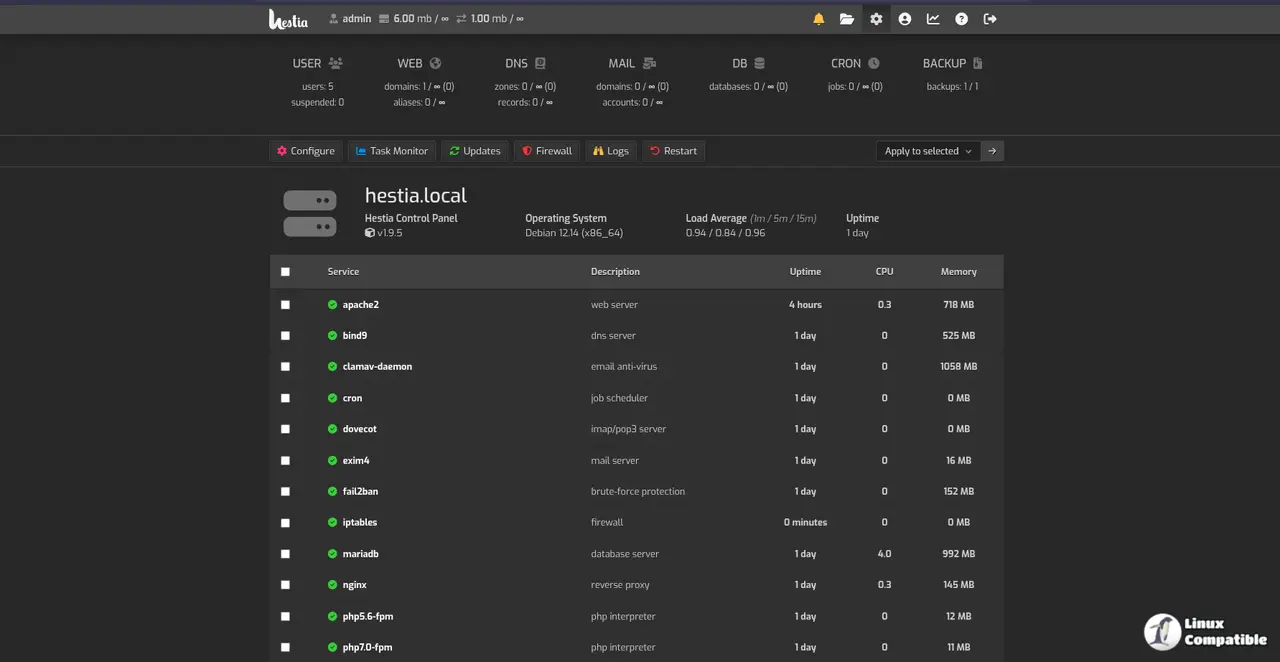
OS Support and Package Naming
The headline changes are straightforward. The installer scripts now recognize the codenames for Debian 13 and Ubuntu 26.04, allowing you to install HestiaCP on fresh systems running either distribution or upgrade from supported older versions. Next, the package versioning format has shifted. Filenames now embed the OS release and architecture directly, following a pattern like hestia-nginx-x.y.z-revision-os+release_architecture.deb.
A small change. But it matters when you're juggling packages across multiple architectures and distro versions, especially with ARM64 now a first-class build target. If you're keeping score, that naming shift removes the guesswork around which package belongs where.
ARM64 Cross-Architecture Builds
The more interesting work is happening under the hood. The team has introduced chroot_build_all.sh, a build orchestration script that compiles Hestia packages for both AMD64 and ARM64 using QEMU-emulated chroots. I remember wrestling with build scripts for an ARM port back when Hestia was younger, and seeing the team automate the entire cross-compile pipeline is genuinely refreshing. It removes the need for physical ARM boards in the CI pipeline, which is a significant DevOps win.
The trade-off is time. Building ARM packages from x86 hosts takes roughly four to five hours due to emulation overhead. Coffee recommended. On top of that, the autocompile script now pulls in Node.js 24.x for the build toolchain, which improves npm detection and installation reliability. The new package naming convention makes it easier to identify which package belongs on which system variant, so you won't be guessing what's what after a apt upgrade.
Head here for the official announcement


