GNOME 51 Hits String Freeze, Stable Release Set for September 16
The GNOME Release Team has officially announced the start of string freeze for GNOME 51. This brings the desktop environment one step closer to its stable release on September 16, 2026.
Starting August 22, 2026 at 23:59 UTC, developers will no longer be able to add or modify strings in GNOME applications and platform libraries without explicit approval from the Internationalization Coordination Team. The deadline kicks in exactly three days after the announcement landed on the GNOME Discourse forum.
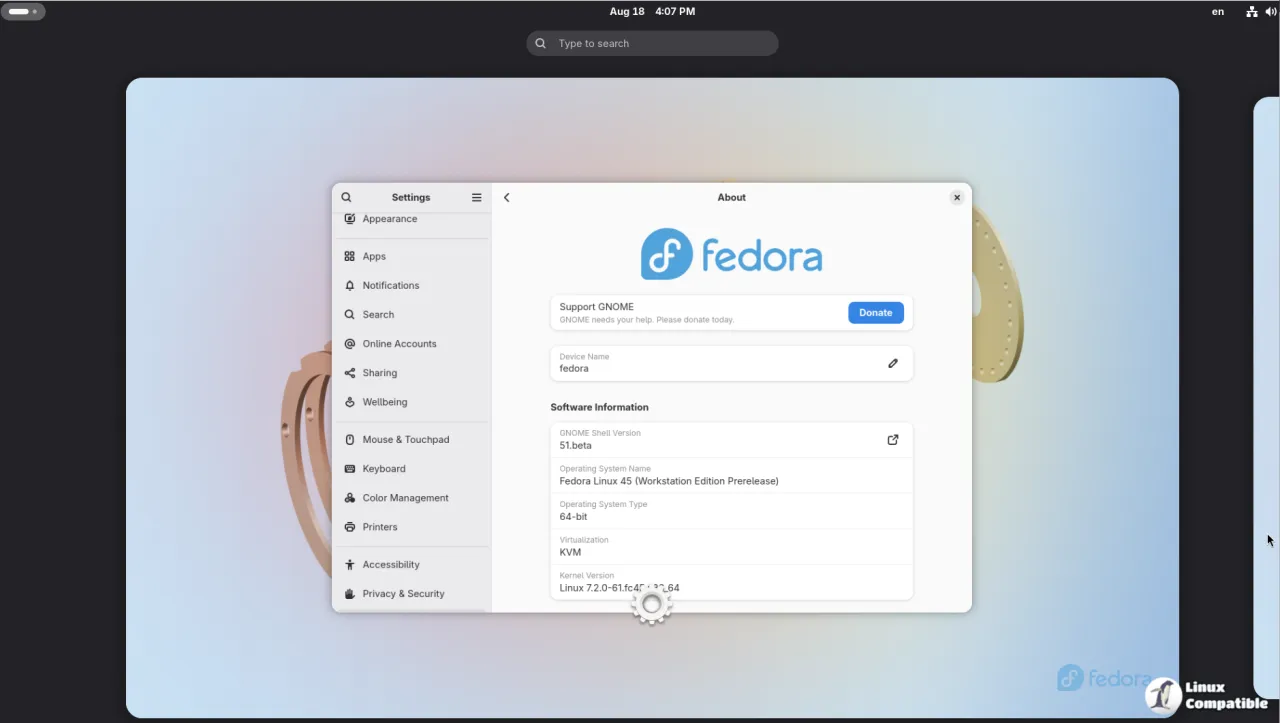
The release team noted the practical impact in their post: "From this point, developers can concentrate on stability and bugfixing. Translators can work without worrying that the original English strings will change, and documentation writers can take accurate screenshots."
It's been a steady march toward September since the API, feature, and UI freezes kicked in back on August 1. If you missed any of those earlier milestones, they all happened within the same week. Now, the focus shifts entirely to quality assurance. No new features. No API changes. Just stability fixes and bug corrections.
RC1 lands on August 29, 2026. That gives the team roughly three weeks to squash the last of the bugs before tarballs go out. The official release follows on September 16. For comparison, GNOME 50 dropped on March 18, 2026. The six-month cadence remains firmly in place.
GNOME 49 will reach end-of-life after the 49.10 maintenance release on September 12. That's just four days before the stable launch. If you're still running an older build, the upgrade path is about to get a lot shorter.
This freeze is particularly welcome news for translators. Locked strings mean no wasted effort on text that might change before the final build. Documentation writers can finally capture screenshots that will actually match the released UI.
Developers with urgent needs for string changes can request an exception via GitLab. The Internationalization Coordination Team requires two approvals for any freeze break. It's not impossible, but it's certainly not easy.


