Debian 11 Bullseye LTS Hits Deadline in August 2026
Debian has confirmed that Debian 11 "Bullseye" will reach the end of its Long Term Support period on 31 August 2026. After that date, the project stops providing security updates for the release. Users are now being urged to migrate to Debian 12 "Bookworm" or Debian 13 "Trixie" before the clock runs out.
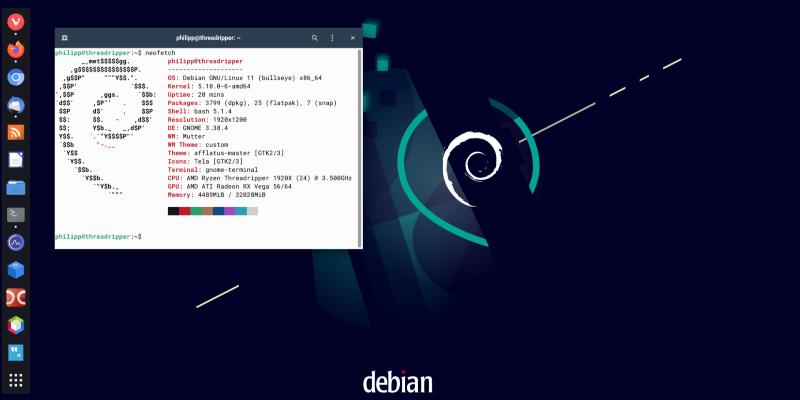
Bullseye launched exactly five years ago on 14 August 2021. It shipped with Linux kernel 5.10 and GNOME 40 as the default desktop environment. The final point release, 11.11, dropped on 31 August 2024, marking the end of its active stable phase. Since then, the volunteer Debian LTS Team has been handling patches for critical vulnerabilities. But that volunteer effort wraps up on 31 August 2026.
It feels like the kernel age was manageable back in 2023, though reality says 5.10 is showing its wrinkles. You will miss out on newer hardware drivers and modern optimizations. Not to mention the backports stream vanishes alongside the official security team.
Official Timeline and Upgrade Paths
Debian recommends a two-step migration. Jump to Debian 12 "Bookworm" first, then move to Debian 13 "Trixie" when you are ready. Bookworm LTS ends on 30 June 2028, with Extended LTS running until 30 June 2033. Trixie LTS concludes on 9 August 2028, and its ELTS window stretches to 30 June 2035.
If you need more time on Bullseye, Freexian offers an Extended LTS service. That commercial option covers the period from August 2026 to 30 June 2031. It covers sponsored packages only, and kernel updates are not included.
The official announcement reads: "This is a gentle reminder that Debian 11 (codename 'bullseye') will reach the end of its Long Term Support period on 31 August 2026. We encourage users to upgrade to Debian 12 (codename 'bookworm'), and then, when possible, to Debian 13 (codename 'trixie'). Starting in September, Debian will not provide further security updates for Debian 11."
After ELTS expires, the Bullseye repositories will be archived on archive.debian.org. You can still install packages, but no updates will roll out. Vulnerability exposure compounds quickly. Enterprises should factor in compliance requirements and attack surface growth.
What Happens Next?
The upgrade process itself is straightforward if you follow the official guide. Verify your installed packages, back up configurations, and test on non-production systems first. Pay close attention to library version changes, particularly for Python and Node.js.
It's a solid run for Bullseye, but five years is the limit. Debian 12 and 13 offer meaningful improvements in security, performance, and hardware support. Delaying past August 2026 means rolling the dice on unpatched vulnerabilities. Plan your migration now.


