System76 ships COSMIC Epoch 1.5.0, a focused hardening push for the Rust desktop
Multi-monitor edge cases, GPU crash recovery, and wallpaper orientation finally get patched in this week’s maintenance release.
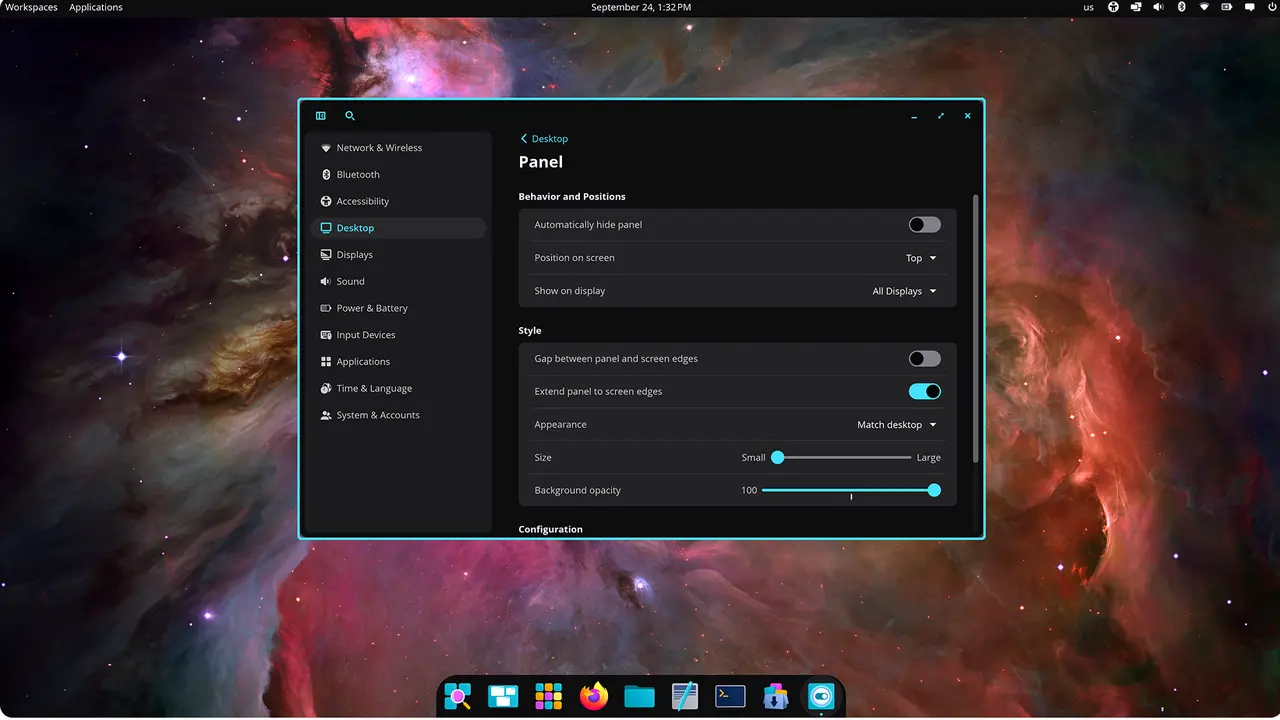
COSMIC Epoch 1.5.0 dropped today. If you squint past the feature-light changelog, it’s exactly the kind of release that keeps Wayland desktops from turning into a mouse-throwing exercise. Seven compositor fixes land in this build. The top panel gets frosted-glass continuity on hot-plugged displays. System76 finally rounds out the multi-monitor polish the community has been begging for.
This is the second minor bump under the current stable desktop series, following Epoch 1.4.0 by exactly one week. The team has been moving at a blistering clip on the Rust-based, Wayland-native environment that will replace GNOME on Pop!_OS 24.04. The GitHub repo sits at 6.5k stars with over 1,800 open issues, which tells you two things: people care, and there’s a lot of plumbing left to check.
The changes that actually matter
Forget listing seventeen pull requests. Here’s what 1.5.0 fixes in practice.
GPU crashes used to take the whole desktop down with them. The new compositor now recovers instead of panicking when a renderer fails after a hardware reset. If you run dual or triple displays with weird offset positioning, the cursor finally stops teleporting off-screen. Screen readers that hung on keyboard layout changes get unblocked by a D-Bus deadlock fix. You know, the sort of work that doesn’t make headlines but keeps you from having to reboot three times a day.
Wallpaper handling gets a long-overdue upgrade. The settings UI bumps the custom image cap from 100 to 500, supports drag-and-drop imports, and respects EXIF orientation metadata so your vertically shot photos don’t render sideways. It was a community complaint for months. The fix splits cleanly between the settings daemon and the background renderer, meaning apps setting wallpapers programmatically will behave the same way as the UI.
If you split your terminal often, you can now hide the pane dividers to reclaim a sliver of screen real estate. Screen-casting apps get proper cursor metadata support through the desktop portal. And the VPN settings panel finally stops storing usernames in a half-protected credential store. Not the flashiest updates, but they clear out a decade of desktop environment debt in one sweep.
Keep in mind that this cycle touches nine components, mostly because System76 is running a tight feedback loop with Pop!_OS users before rolling the update to independent distros. However, at the same time, the one-week turnaround might feel aggressive to anyone used to traditional desktop environments shipping quarterly. It works here because the team is iterating on upstream Wayland protocols while the compositor is still young.
Cadence, community, and where to grab it
Community reaction stays muted for a maintenance cycle, which is exactly what you want. The last release pulled 61 reactions across GitHub; this one sits at a quiet handful. It’s a hardening push, not a feature dump. The shift from making it work to making it robust is exactly what a desktop environment needs to clear the early-adopter phase.
If you’re on Pop!_OS, the update rolls through the standard package manager. Arch, Fedora 41+, NixOS 25.05+, and openSUSE Tumbleweed pull the tagged submodules as they land. Distribution packages might lag a few days behind, which is standard for monorepo workflows.
Head to the release page for the full changelog and the diff against 1.4.0. The official chat channel sits at chat.pop-os.org if you hit a Wayland quirk while testing. Translation work continues on Weblate, though English and the major Western European locales are already well ahead of the curve.


