Audacity 3.7.9 lands for Linux with corruption fixes and FFmpeg 9
The stable patch brings critical data loss protections and codec updates to Linux users.
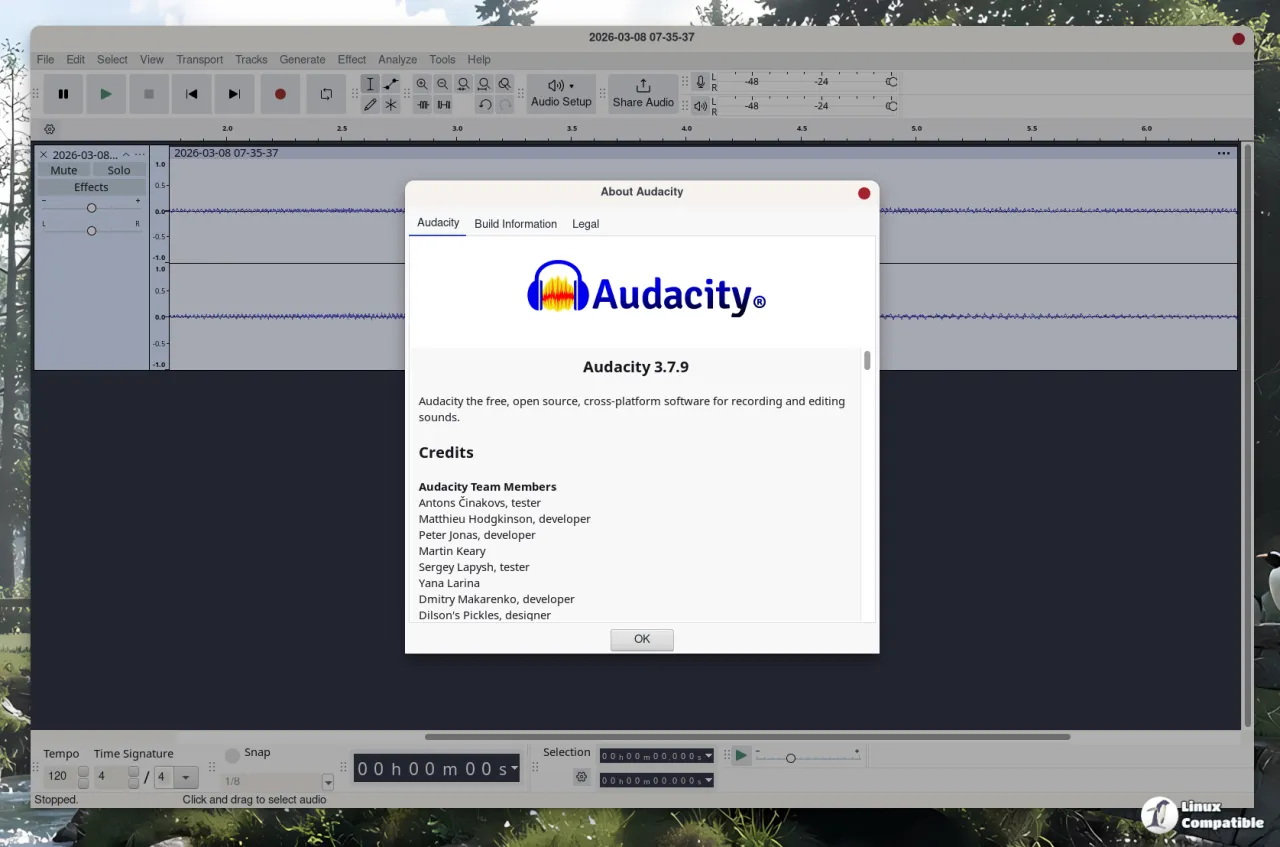
Audacity 3.7.9 is here, and Linux users have a stable build ready to go. The patch is bringing critical corruption protections, FFmpeg 9 support, and a fix for a startup freeze that has plagued systems with quirky font configurations. Lead maintainer Dmitry Makarenko pushed the release. It's a stable build. A patch, strictly speaking. The big news for Linux? You're getting the kind of data loss fixes that stop your work from vanishing when the disk fills up mid-save.
Corruption Fixes and Stability
Here's the part that matters most. Several sources of project corruption and data loss have been patched.
The fixes address issues like data loss when the disk runs out of space during a save operation. They also stop corruption when you disconnect an external drive right after closing a project. Plus, recovered projects won't vanish on close without saving anymore. The team added a length field for each waveblock to improve recoverability.
These backported from the effects branch. Upstream stability work is finally flowing into the stable line. If you're editing audio on Linux, these are the bread-and-butter fixes you need. No UI overhauls. No new features. Just the safety net that keeps your sessions intact.
FFmpeg 9 and Build System Cleanup
On top of that, FFmpeg 9 support is in. FFmpeg remains unbundled due to patent licensing concerns, but the codebase now tracks the latest FFmpeg 9 release series. You'll still need to grab the codec separately if you're importing M4A/AAC or WMA files, but compatibility is current.
The build system also got cleaned up with explicit dependencies and improved wx containment. It's a reminder that the 3.7.x line is still the stable bridge while Audacity 4.0 prepares for its Qt-based release.
Keep in mind that Audacity 4 is in public beta and switches from wxWidgets to Qt. You can preview it at audacityteam.org/next if you want to test the new framework. For production work today, 3.7.9 is the stable bet.
Windows and Global Updates
ASIO support is also in this release, but that's a Windows-specific feature for low-latency audio drivers. Linux users already have PulseAudio and PipeWire integration that covers that ground.
The patch also includes crashes while a realtime effect editor is open, freeze fixes when double-clicking the timeline with a MIDI track present, and MIDI playback that now starts from the set position instead of the project start.
One specific fix addresses clips having the wrong tempo after opening a project. Another clears up a freeze on startup for systems with incorrect font configurations. That last one matters more on Linux, where font rendering can be a minefield depending on your distro and environment.
Muse Group and Operations
The business side of Audacity continues to evolve. This release cycle disabled Facebook login. Given the telemetry backlash back in May 2021, the team has been walking a tightrope since Muse Group acquired the project. Social logins are out. MuseHub API URLs were updated, keeping the integration with Muse Group's plugin manager active. Promotional dialogs for AU4 are still in the codebase, a reminder that Muse Group sees Audacity as part of a broader commercial ecosystem.
Operations took a hit in July 2026 when the team lost their Windows signing key. Hardware key shipping delays forced them to distribute unsigned Windows binaries temporarily. For an app with over 114.2 million downloads on FossHub alone, unsigned status can trigger OS warnings and spook casual users. The build system cleanup helps, but the signing key drama is a reminder that free software still needs operational muscle.
Downloading
17 total assets shipped with this release. The Linux AppImages are the most straightforward option for users who want to run Audacity without installing system-wide. Just make the file executable and run it.
Head here to download the Linux AppImages. If you're on Ubuntu 20.04 or 22.04, grab the version that matches your release. For other distros, the 22.04 AppImage should work on most modern Linux systems with glibc 2.35 or newer.
At this point, Audacity remains one of the most downloaded open-source audio editors out there. This patch keeps the stable line solid while the Qt migration for 4.0 continues in the background.


