Arch Linux released its archlinux-2026.08.01 ISO, a 1.5 GB x86_64 build shipping kernel 7.1.5 and approximately 16,031 packages across core, extra, and multilib repositories. Project lead Levente Polyák ("anthraxx") continues his second term following a June re-election, overseeing a year of aggressive upstream integration that includes switching iptables to nftables, adopting open NVIDIA kernel modules, and renaming Varnish to Vinyl Cache.
Arch Linux Ships August ISO as Rolling-Release Distro Charges Forward Under anthraxx’s Second Term
New monthly image drops with kernel 7.1.5, while the project navigates breaking upstream changes, an AUR security incident, and a year of behind-the-scenes infrastructure work.
Arch Linux released its next monthly installation image today, and if you are running an x86_64 system, the new ISO is already on your mirrors. archlinux-2026.08.01-x86_64.iso clocks in at roughly 1.5 GB and ships with the 7.1.5 upstream kernel. It is the kind of routine update that keeps the rolling-release machine turning, though the context around this particular drop says a lot about where the distribution is headed.
Levente Polyák, known to the community as anthraxx, is now well into a second consecutive two-year term as project lead. He was re-elected unopposed in June, a result that follows a quiet but steady stretch of technical shifts that would make most other distributions flinch. The official repositories currently hold about 16,031 packages, maintained by more than 65 active developers and package maintainers who keep the whole thing from quietly collapsing under its own momentum.
Breaking Changes and Upstream Shifts
This past year reads like a checklist of deliberate rough patches. Starting in December 2025, the NVIDIA driver packages dropped support for Pascal GPUs entirely and switched to the open kernel modules by default. April saw iptables point to the nftables backend out of the box, merging what used to be two separate packages. Windows gaming on Linux got a major overhaul in June when the WoW64 wine transition landed, and the [extra] repository replaced Redis with Valkey back in April following license discussions.
Even the caching server changed its name. The Varnish project rebranded to Vinyl Cache, and Arch followed suit with a vinyl-cache package in [extra], updating all binaries, users, and systemd units to match. The packagers had to update roughly forty build scripts in a single weekend. That kind of work is invisible to most users, but it is exactly the kind of infrastructure grind that keeps a rolling release from fracturing under its own weight.
The repository cleanup wrapped up in early 2025, removing the last of the empty [community] and [testing] placeholders that had been lingering since the git migration. Keep in mind that these were not small cosmetic tweaks. They were distribution-wide interventions that required manual steps for a decent chunk of the user base. Six months later, the consensus model still holds. Polyák’s leadership style leans heavily on mailing list debate before any breaking change ships, which means the actual rollout usually feels sudden even when it was planned for months.
The AUR Incident and Security Reality
The security landscape for Arch has not been entirely smooth. On June 12, 2026, AUR administrator Campbell Jones issued an emergency notice reporting a high volume of malicious package adoptions and updates. Account creation, package pushing, and adoption workflows were temporarily suspended while staff worked to isolate compromised commits. The team acknowledged that the open adoption model has always been a weak point, and they are still working toward a more permanent fix for how orphaned packages are transferred.
The ArchWiki and forum moderation remain remarkably sharp despite the chaos. The forums currently show over 145,000 registered users and more than 2.2 million posts across 302,000 topics. Arch users are essentially the distribution’s beta testers, surfacing upstream bugs within hours of their release. The glibc 2.41 Discord corruption issue earlier this year was documented and patched with unusual speed precisely because the community watches the package database like a hawk.
If you are pulling packages from the user repository, the official guidance is straightforward. Review every PKGBUILD and install script change before building, especially during active incidents. Suspicious activity should be reported to the aur-general mailing list. It is a low-friction workflow, but it demands a level of attention that casual installers might not be prepared for.
What You Need to Know Before You Install
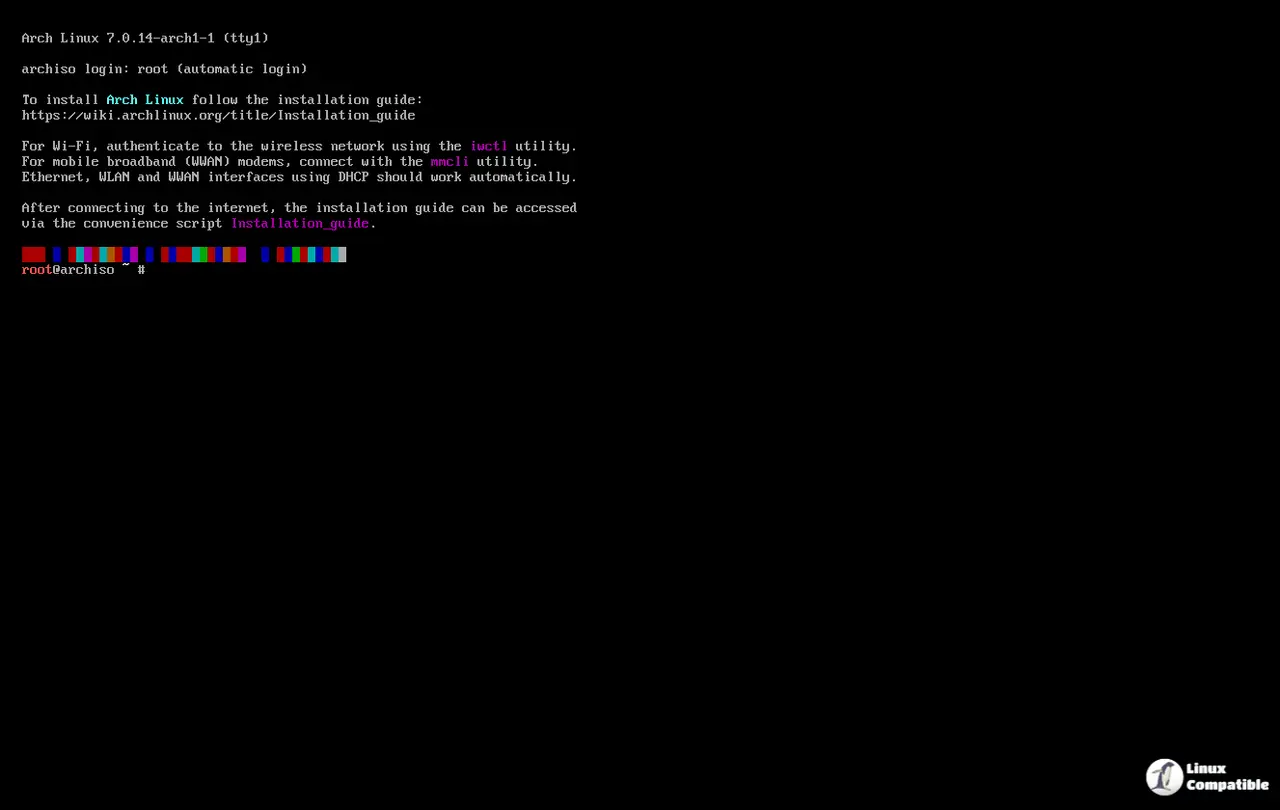
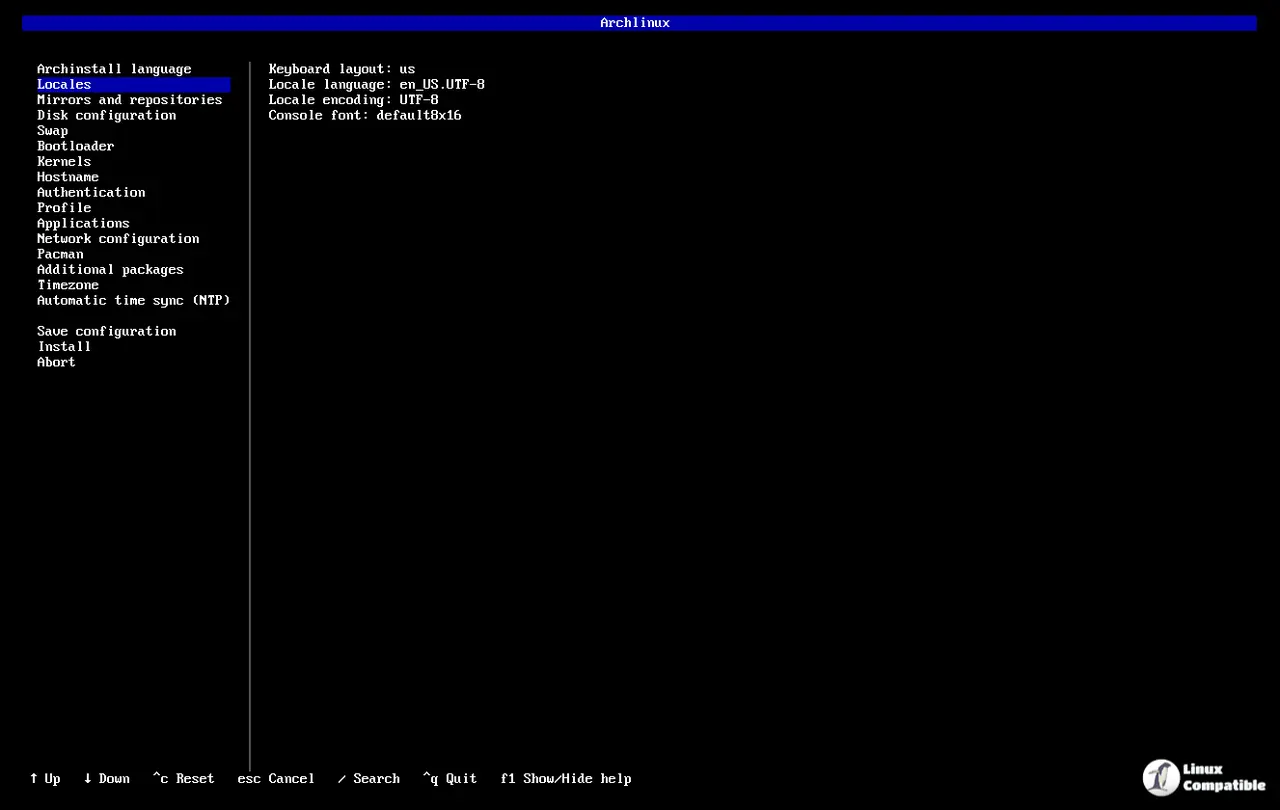
The new ISO is meant for fresh installs. If you already run Arch, you just need to run pacman -Syu rather than flashing another USB drive. The image includes kernel 7.1.5, and it ships as an x86_64-only build. BitTorrent is still the recommended method, with 468 embedded WebSeed mirrors baked into the torrent file. You can also grab a Docker image, a QEMU disk image from GitLab, or use the wsl --install archlinux command if you prefer running it inside Windows.
Verification is handled through BLAKE2b checksums and a PGP signature from pierre@archlinux.org. The SHA256 is 4e82dced1c4fd3e498b22a853f8db2a4d262d32b97e7e07d97390d9e425ffe5e, and you can verify it using either GnuPG or Sequoia depending on your preferred toolchain. Head here to the official release page for the full mirror list and torrent details.
It is a rather ambitious build for the number of moving parts it handles, though the rolling model does keep it relevant. What Arch actually costs is your time. The distribution model means you get the newest kernels, desktop environments, and compiler toolchains almost immediately, but it also means you will occasionally pause and read a multi-paragraph notice about deprecated repositories or display server migration. The project has survived nearly two decades under Polyák because it treats breaking changes as features rather than failures. That philosophy keeps the user base small but fiercely dedicated.
Arch continues to ship monthly, and the next ISO will land sometime in September.


