Amethyst Mod Manager v2.4.0 Lands for Linux, Tackling Nearly 100 Games Without Wine
The native tool swaps compatibility layers for a Rust-accelerated conflict engine, VFS deployment, and built-in Thunderstore browsing.
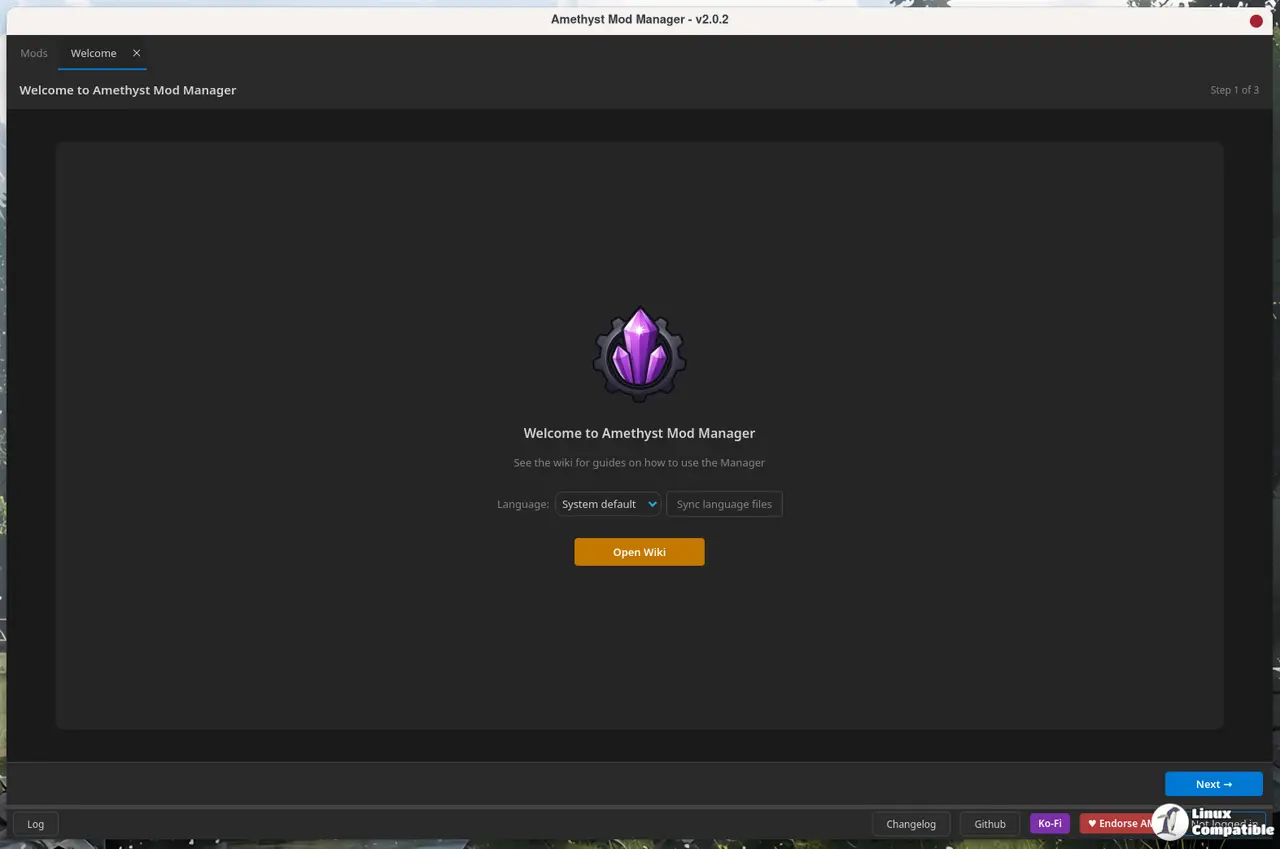
ChrisDKN has pushed Amethyst Mod Manager to v2.4.0, a Linux-native mod manager that now covers roughly 97 PC titles without forcing you through Wine or Proton. The project hits the scene with a completely reworked conflict detection system. It also ships a new Fallout: New California installer and several UI tweaks that make long modlists feel noticeably less painful.
For years, Linux gamers chasing big moddable games had two equally miserable options. You either ran Vortex or Mod Organizer 2 through a compatibility layer, or you hand-edited .esp files and symlinked archives until something broke. A 2022 r/linux_gaming thread summed up the frustration perfectly. People were running Skyrim installs with 1,200+ mods on Lutris, waiting minutes for a deploy cycle, and praying no DLL conflict popped up mid-session. The long wait for a proper native solution is finally over.
Under the Hood
Amethyst isn't a repackaged Windows binary. It's built on Python 3.12+ with a PySide6 and QT6 UI layer. The heavy lifting for conflict resolution lives in a custom Rust crate called amethyst_filegraph. The extension compiles to a Python-compatible .abi3.so library, which keeps startup snappy even when you're juggling thousands of loose files against BSA archives. The build system uses Meson and Ninja. If you prefer the terminal, the release also includes a CLI mode for Steam Gaming Mode on the Deck.
This is where the tool actually diverges from the Windows equivalents. You get three deployment options: traditional symlinks, hardlinks that demand a shared partition, and a VFS method added in v2.3.0. The virtual filesystem overlay deploys mods into a FUSE layer instead of touching your actual game folder. That completely sidesteps the same-partition rule and avoids hardlink cleanup headaches. There's also a smart restore that shoves runtime-generated files back to staging when you close the game.
The August 31 release focuses on performance and stability. The conflict detection pipeline got a full rewrite, which means enabling, disabling, or dragging mods in a large list no longer freezes the interface. New game support dropped for GOG's Fallout: New California, along with downgrade wizards for Skyrim and Fallout 4. Right-click options now pull up LOOT messages and FOMOD installation choices, and the OpenMW AppImage path finally works cleanly. OpenMW plugins can also be flagged as groundcover mods if your build relies on them.
It's a rather ambitious project for a single developer, though the design choices hold up. Native performance means instant response to modlist changes, and the direct Nexus OAuth integration stores tokens in your OS keyring instead of plain text. VFS deployment removes the Proton hardlink restriction entirely. However, at the same time, the roughly 97 supported games are still a fraction of what Windows mod managers handle, and some script extender workflows remain broken. The GitHub issue tracker shows users requesting Nix packaging, custom Proton selection, and better Thunderstore parity. Not cheap. Not bad for a tool that hit 949 stars and two thousand three hundred commits in roughly a year, but the gap between works-for-Skyrim and covers-everything is still visible.
The project has quietly earned a loyal following. A May 2026 Zorin OS forum thread from user Hanselinux highlighted the switch from Vortex on Lutris, calling Amethyst fast, reliable, and simple to handle after months of Wine troubleshooting. Ko-fi donations sit at 58 supporters and roughly $166 total, which tells you exactly what kind of project this is: community-funded, open source, and maintained purely out of goodwill. The developer also lists it on Nexus Mods as mod ID 1714, and the wiki covers everything from deploy methods to case-alias symlinks for faster Proton loading.
Head here to grab it: AppImage, Flatpak, AUR, or compile from source if you want to tinker with the Meson build. The app registers under Games and Utilities in your desktop menu, and it auto-notifies you of updates through whichever method you picked. Keep in mind that free Nexus users can still browse and install mods, though each archive pull opens a browser tab for manual SSO.
The v2.4.0 patch notes and full changelog are already live on the GitHub release page. The project's roadmap hints at broader Thunderstore parity and deeper UE5 pak handling coming in the next cycle. If you're tired of watching Proton stutter while your modlist deploys, Amethyst is one of the few native options worth trying right now.


