Amethyst Mod Manager v2.1.0 Brings Linux-Native BodySlide, Daggerfall Unity Support to Powerhouse
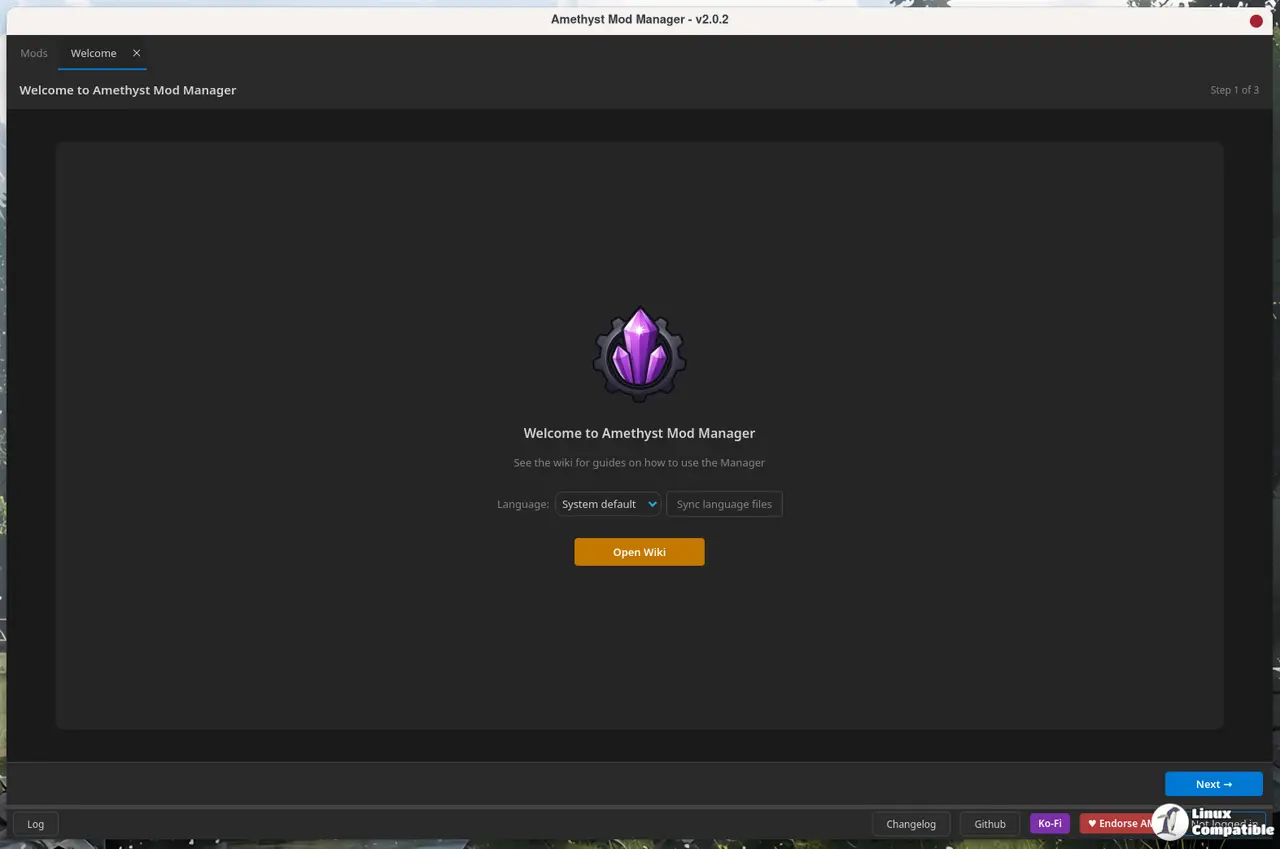
ChrisDKN has pushed Amethyst Mod Manager to v2.1.0, the first incremental release following last month's ground-up Qt rewrite. The update adds native Linux support for BodySlide and Outfit Studio, a NIF mesh viewer, Daggerfall Unity compatibility, and a handful of usability improvements to the 75+ game library.
The long wait for a Linux-native mod manager that doesn't rely on Proton for the tooling layer continues to narrow. Amethyst has been building toward this moment for years. The v2.0.0 release in late July stripped the old framework entirely and rebuilt the UI in PySide6 from scratch. That architectural shift cleared the path for native tooling support that's been the project's most-requested feature for a while.
Keep in mind that Amethyst is still a single-maintainer open-source project, which makes this kind of release somewhat exceptional. The developer has published 2,012 commits across the repository's history, and the community has responded with 787 stars and 34 forks. There are seven open issues at the moment, including feature requests that v2.1.0 appears to address directly.
The features that matter
The headline additions all target workflow friction that Linux gamers have dealt with for years. BodySlide and Outfit Studio now run natively on Linux instead of bouncing through Wine or Proton. The new NIF viewer lets you preview 3D meshes directly from the mod files tab or through the Wizard menu. Daggerfall Unity gains official support for its native Linux build, which was already on the developers' radar given the corresponding open issue.
On top of that, the update introduces logicmod auto-detection for UE4/5 pak files, grouped profiles that borrow mods from other profiles while behaving as their own, and a saves tab backed by LudaSavi manifests for per-game save management. Faugus launcher detection rounds out the new game-specific integrations.
The UI changes are worth noting separately. Profile installation menus now stay open during installs instead of auto-closing, plugins list columns became sortable, and installing ENB as a mod now auto-enables Linux mode. BG3 pak deployment also got smarter, deploying only the highest-priority pak when names differ but UUIDs match.
Five bug fixes round out the changelog. Custom routing rules now properly normalize folder names, case-conflicting folders merge correctly, and archives no longer vanish when the clear-after-install option is disabled. The FOMOD installer also stops choking on missing destination properties.
The architecture behind it
Amethyst uses the same staging + deploy model as MO2. Mods live in a staging directory and get deployed to game folders via hard links or symlinks. The architecture mirrors MO2's design, but the implementation is entirely new, built with Python, PySide6, and Meson. Plugin sorting pulls from libloot for LOOT integration, and the Nexus API client handles browsing and collection installs directly from the app.
Distribution options match the typical Linux mod manager landscape. AppImage users can grab a one-liner installer, Flatpak fans have both stable and beta branches on Flathub, and AUR users can install via the amethyst-mod-manager package maintained by TheBill2001. Building from source requires Meson, Ninja, and PySide6 runtime dependencies, which are documented in the project wiki.
The developer maintains a Ko-fi page for donations, though the project remains GPL-3.0 licensed. The v2.1.0 release is now live on GitHub, though the Nexus Mods listing hasn't been updated to reflect the new version yet.
It's a rather ambitious feature set for a project that started as an alternative to existing tools. The native BodySlide support alone addresses a pain point that's existed since the early days of Linux gaming. However, at the same time, the single-maintainer reality means bug reports can take time to cycle through, and the lack of formal release candidates might leave some users wanting more stability testing before upgrading.
For now, v2.1.0 represents a solid step forward. The combination of native tooling support, improved profile management, and Daggerfall Unity compatibility gives Linux modders more options that don't require a Windows VM or compatibility layer for the tools themselves.
Keep in mind that the v2.0.x hotfix line addressed support for Devil May Cry 5, Dragon's Dogma 2, Halo Campaign Evolved, First Berserker: Khazan, and several other titles before this release. If you're running any of those games, you may want to check whether v2.1.0's improvements are relevant to your setup.
Head here to grab v2.1.0 from the GitHub releases page. The project wiki covers build instructions, distribution options, and game-specific setup guides.


