Zed Editor ships v1.18.0 with C/C++ inline debugging, expanded AI model support, and file finder persistence
The September release aligns debug keybindings with VS Code, drops older Gemini models, and leans heavily on community contributors.
Zed Editor v1.18.0 is live, and the top feature finally lands for systems programmers: inline variable values during C and C++ debugging. If you've been waiting to trade VS Code for a faster editor without surrendering debugger parity, this update does a lot of the heavy lifting.
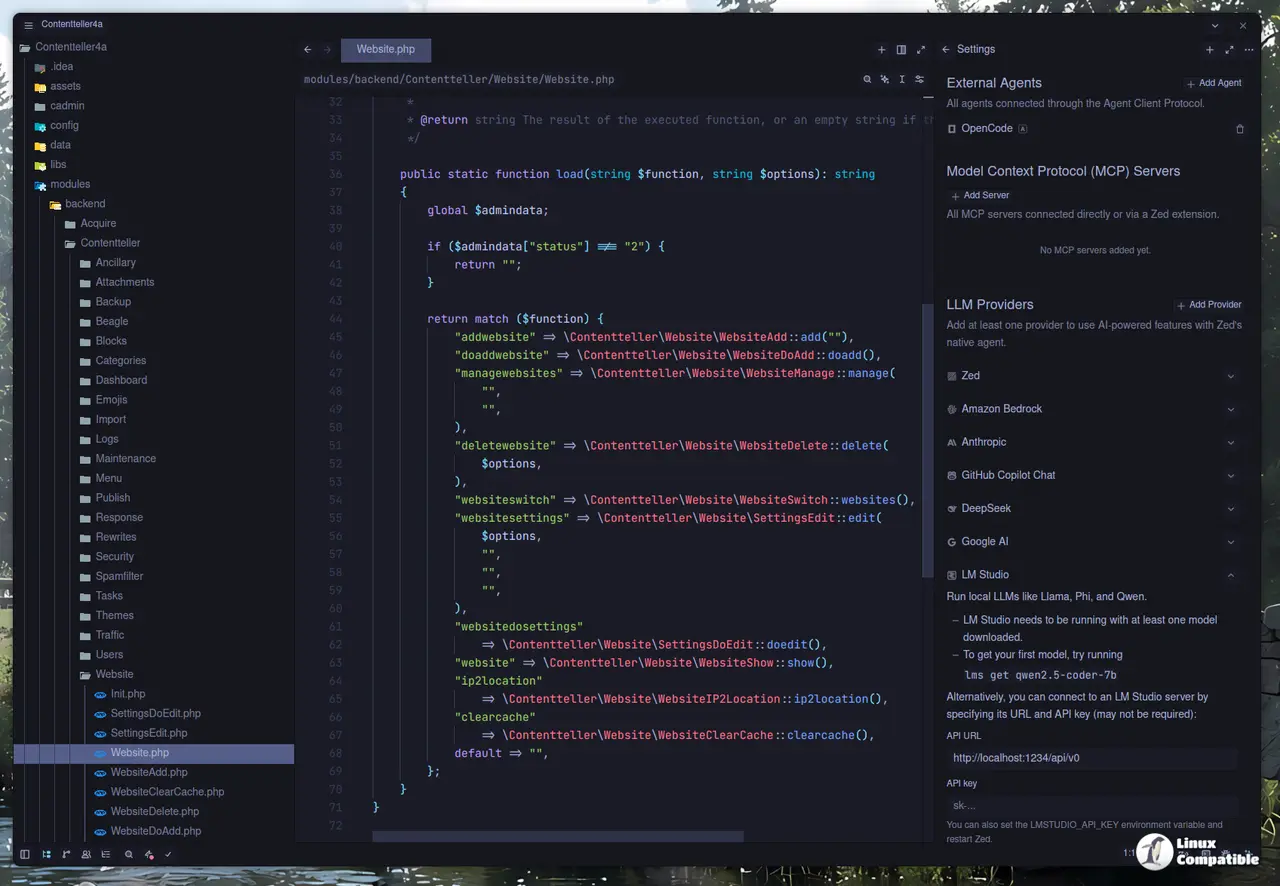
Catching up on the model lineup
Zed is closing the gap on the current AI landscape. GPT-5.6 now ships with full 1 million token context window support via Amazon Bedrock. Community contributor @5herlocked verified the change by loading a 900k-token codebase and confirming the model responded correctly. The Google AI provider gets Gemini 3.5 Flash-Lite, and xAI's Grok 4.5 and 4.6 join the supported list. Anthropic's Claude Fable 5.1 also ships with improved compatibility.
If you're keeping score, that means four older Google AI models quietly disappeared. Gemini 2.5 Flash-Lite, 2.5 Flash, 2.5 Pro, and 3.1 Flash-Lite are gone from the provider dropdown. Gemini 3.5 Flash-Lite is now the default fast model. You'll need to update your settings if you were still hardcoding the retired names.
Debug parity, with a catch
The stepping keybindings now match VS Code defaults across every platform. F10 is step over. F11 is step into. Anyone who spent years memorizing custom Zed shortcuts or wrestling with platform-specific differences should find this familiar.
It's a clear migration play. Zed has been chipping away at VS Code friction for months, and matching default step controls is a obvious move. It is technically a breaking change for users who've built custom debug keymaps, so a quick audit of your keymap.json is in order before you dive in.
Quality of life, actually persisting
The File Finder now remembers the last 20 files you opened in a workspace. They live in the project's SQLite database, which means a quick Cmd+P or Ctrl+P lands you right back where you were after a restart. The implementation originally went through maintainer feedback that killed an in-code cleanup approach in favor of a separate SQLite table with ON DELETE CASCADE. Clean.
The Markdown preview also got a visual refresh. Tighter spacing, better typography, and rounded backgrounds for inline code bring it closer to modern documentation rendering. The Git panel gets a new toggle between HEAD and the default branch for diff comparison, and the terminal finally passes through Ctrl+Alt+letter and Alt+F5 keystrokes to the shell.
Linux under the hood
Linux users won't see a flashy new feature, but they will notice performance tuning under the hood. Font matching caches prewarm at startup, and glyph rasterization is cached after bounds measurement. It's the kind of backend work that never makes a changelog highlight, but it fixes that subtle drag when you open a massive codebase. Large text files also no longer freeze the UI during project cleanup.
Community contributions do the heavy lifting
This release practically runs on volunteer labor. The changelog credits the Zed Guild and names a dozen external contributors for feature PRs, plus another 30-plus for bug fixes. The C/C++ inline values PR went through multiple CI pipeline failures before merging. The file finder persistence PR took four months of maintainer feedback to land on a clean implementation that records history from the active project path instead of every pane activation.
It's a rather polished release for what it is: a focus on parity, persistence, and debugging. The C/C++ inline values close a legitimate gap, and the VS Code keybinding alignment reduces migration friction. However, at the same time, dropping four Gemini models might catch some automated setups off guard, and the breaking keybinding change means you'll want to audit your config first. The Linux rendering work is quiet but necessary.
You can grab v1.18.0 from the GitHub downloads page or update via the built-in updater.


