Zed v1.15.0 Lands with Self-Hosted AI Predictions, Git Baseline Toggle, and Wayland Drag-and-Drop
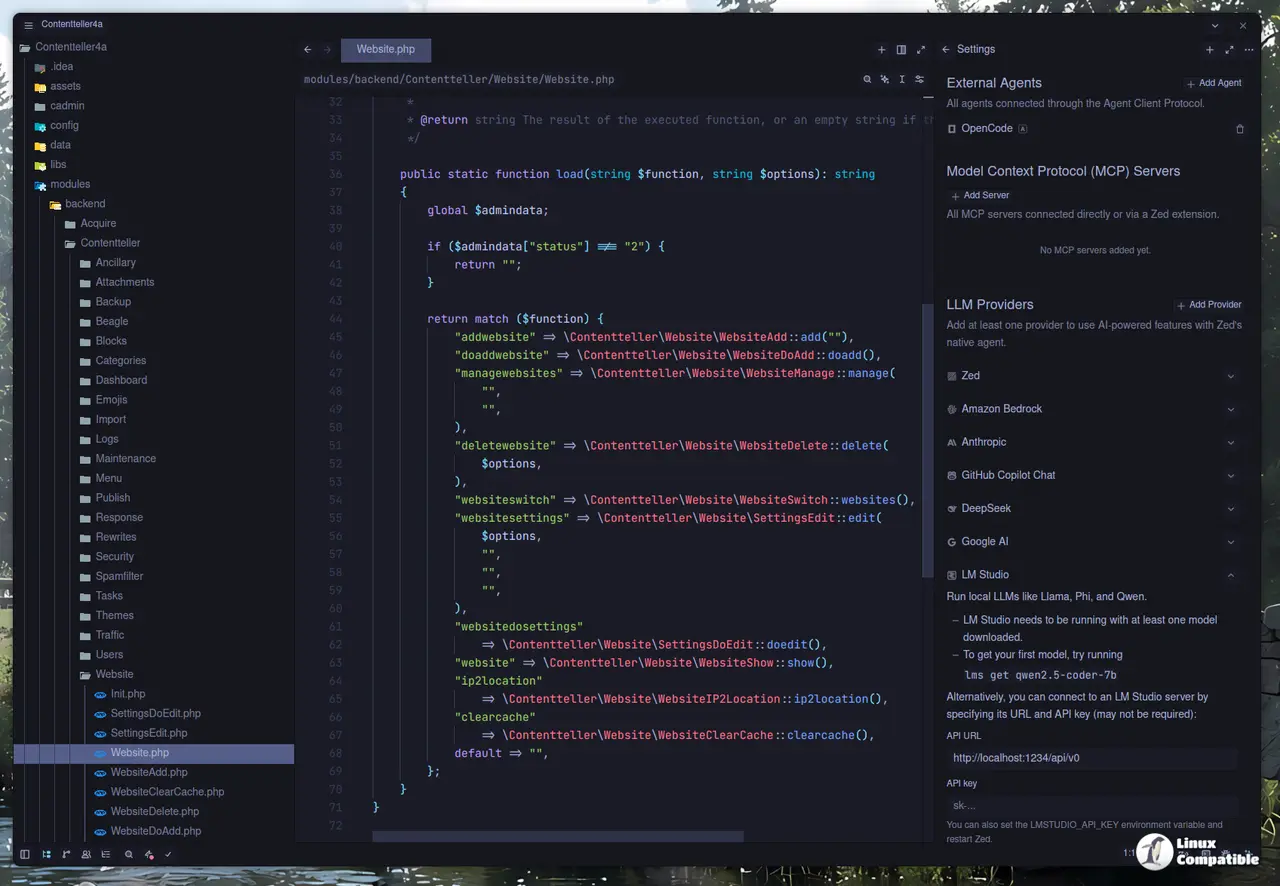
Zed Editor has shipped its v1.15.0 update, adding support for self-hosted sweep-next-edit models, a configurable diff baseline, and Linux Wayland drag-and-drop. The release also requires Copilot users to re-authenticate following an architectural shift in how edit predictions and chat are managed.
If you've been tracking Zed since the 1.0 launch in April, you've seen a lot of moving parts. Eight weeks later, the team is clearly digging into the workflows that actually matter to power users. This release tightens Git review hygiene, expands private AI options, and closes a long-standing gap on Linux. It's a Wednesday's release, but it carries enough weight to shift how some teams will configure their editors.
The Big Features
The headline draw here is the ability to run edit predictions against your own infrastructure. Zed now accepts Sweep's sweep-next-edit model over an OpenAI-compatible API. It's not just a passthrough either; Zed recognizes the model by name and auto-applies the sweep prompt format via the infer detection path.
Why does this matter? Air-gapped environments and strict data-residency policies have historically forced teams to choose between security and inline completions. That's no longer the case. If your org can't ship code to GitHub or Anthropic, Zed now lets you point the predictions engine at a local model without rewriting the API surface.
Next up is git.diff_base, a setting that controls what Zed uses as the baseline for diff coloring, gutter markers, and git: diff output. You have two options now:
- "head" (default): Traditional behavior, diffing against HEAD.
- "default_branch": Shows current branch work versus the merge base with your default branch.
You can toggle this directly from the editor controls menu under "Diff Against Default Branch." On long-lived feature branches, diffing against HEAD is usually noisy. It shows changes that have already landed or are irrelevant to the review. Switching to the default branch gives you a clean "what's new" view that matches what reviewers will see on the PR. It's a small setting, but one that should quiet down a lot of false positives.
On the language front, Zed now handles linked editing for custom JSX/TSX elements. Rename <MyComponent> in one spot and every other instance updates simultaneously. Emmet completions also work inside arrow function bodies and return statements now, finally unlocking the tool for web developers who expect it out of the box.
Linux users on Wayland can drag files from the Project Panel into external apps like file managers or terminals. This was already supported on macOS, and the Linux port closes a gap that's been lingering for a while. Opening a .bat or .cmd file will now nudge you to install the windows-batch language extension, a minor quality-of-life touch for cross-platform teams.
The Breaking Change: Copilot Re-Auth
There is one friction point to flag. Existing Copilot users need to sign in again.
Zed has separated the authentication flows for Copilot Chat and Copilot edit predictions. Each service can now manage tokens independently, reducing the blast radius if one credential is compromised. It's a positive architectural move, but it means a manual step for everyone who was relying on the old combined session. The trade-off is worth it for the security model, though.
Community and Bug Fixes
The Zed Guild program continues to drive development. This release credits 11 community contributions, including drag-and-drop parity on macOS and fixes for the Agent Panel terminal output, IME flickering, and Vim/Helix mode cursor placement. It's a healthy pipeline of patches from outside the core team.
Bug fixes include 30+ items spanning stability, storage, and Dev Containers. The bundled npm cache is now bounded, which should stop it from consuming "many gigabytes" of disk space over time. Remote/SFTP uploads have also been corrected, and semantic token highlighting is more predictable when multiple LSPs serve the same range.
Where Zed Fits Now
Looking at the timeline, Zed has moved fast. Public launch in August 2024, Linux in July 2024, Windows in October 2025, and 1.0 in April 2026. The v1.15 release continues that cadence of tightening Git workflows, expanding self-hosted AI options, and closing platform gaps.
If you're on a long-lived branch and tired of noisy diffs, git.diff_base is worth enabling immediately. The self-hosted Sweep model is a lifeline for restricted environments. And if you're using Copilot, go ahead and re-authenticate before this bites you later.
Head here to download the new release.


