Zed editor 1.3.6 brings practical AI tweaks and Git workflow upgrades
The latest update to the Zed editor focuses on making the agent panel actually usable for long sessions while tightening up version control workflows. Terminal threads, inline diagram rendering, and a proper branch history view replace the usual experimental fluff with features that save time during debugging or code reviews. This release also strips out deprecated models and adds Bash language server support to keep things lean.
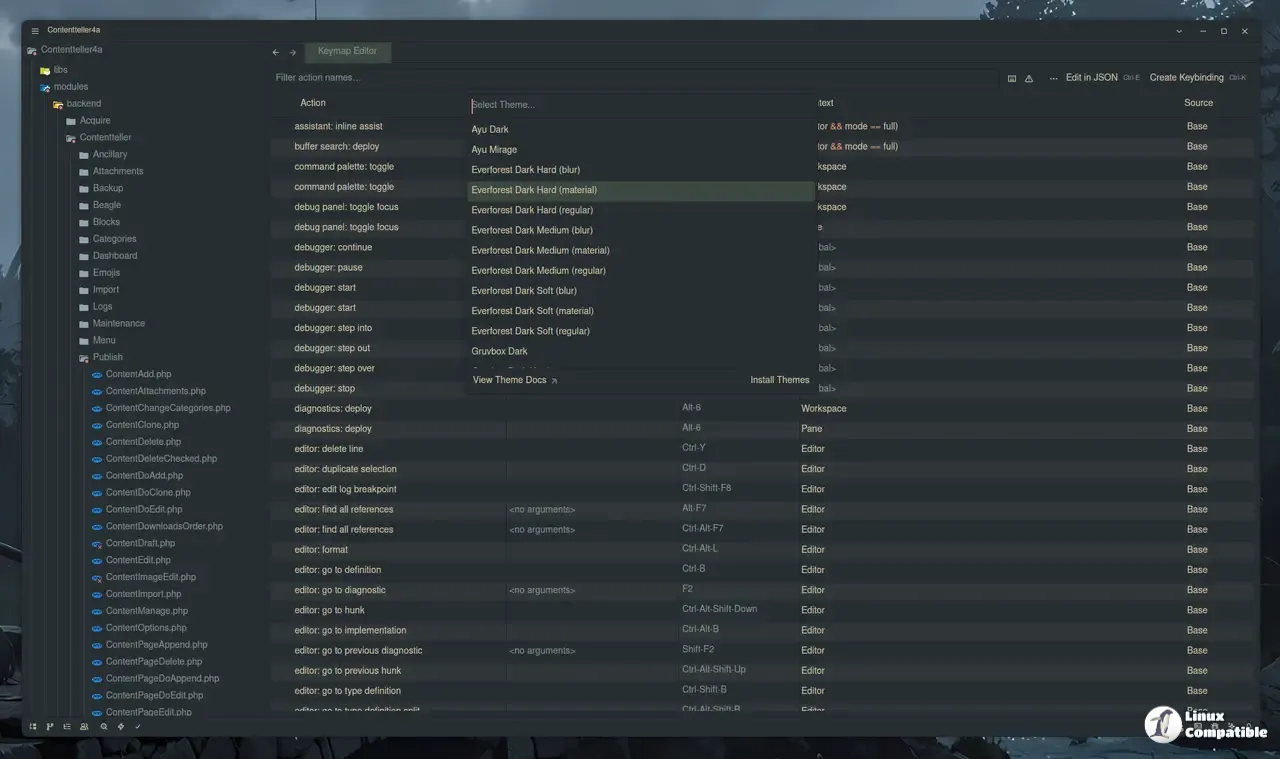
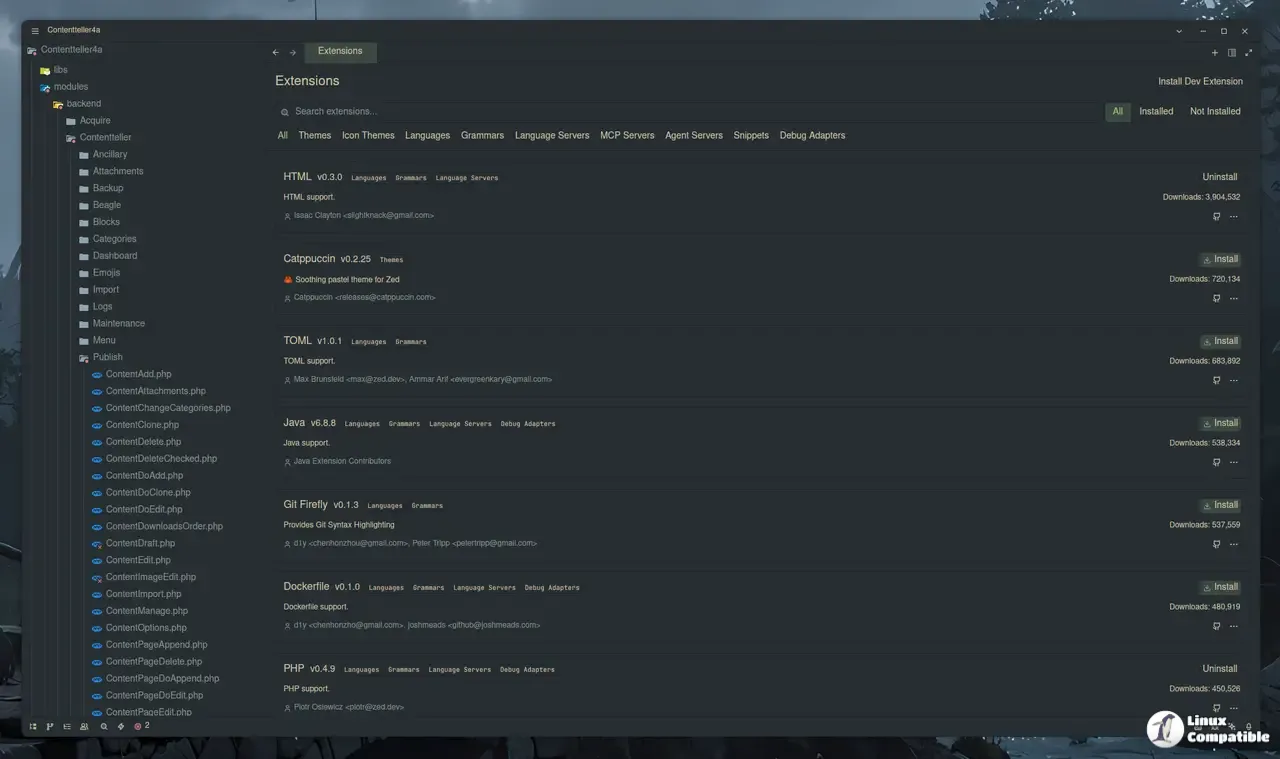
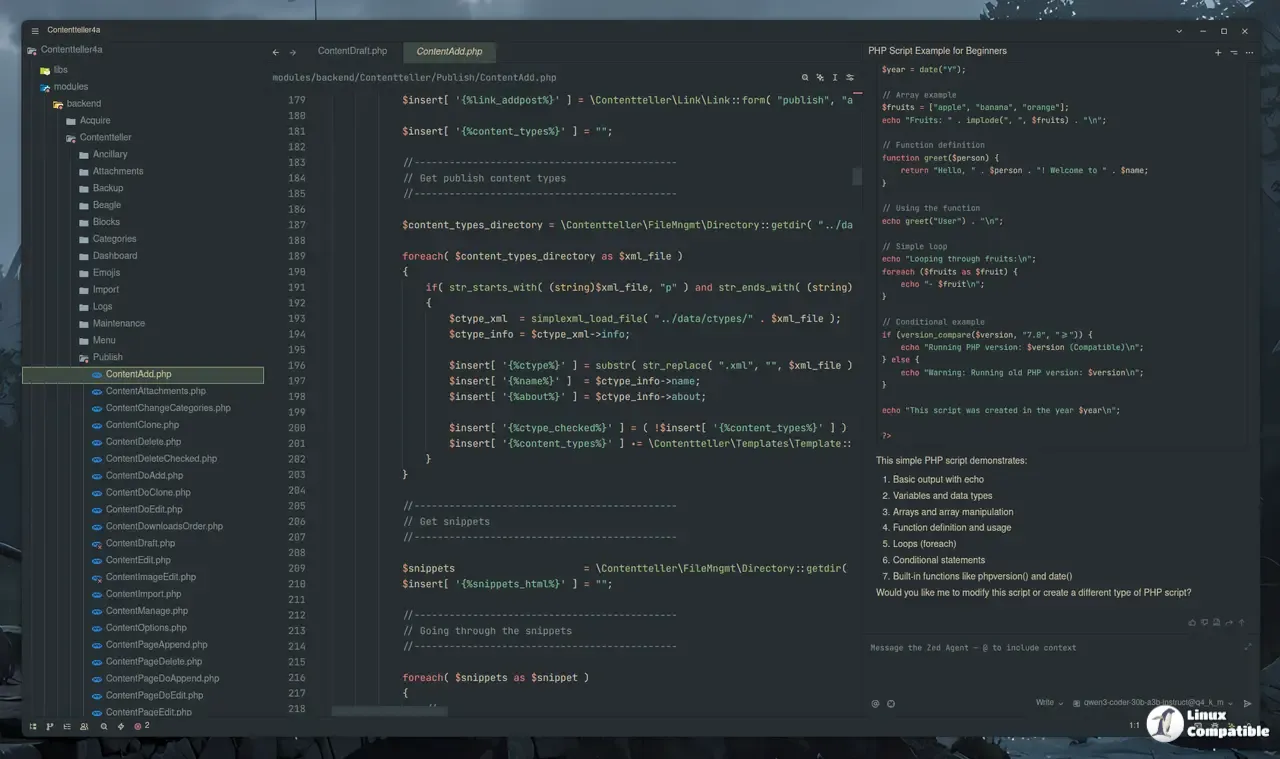
Zed editor 1.3.6 agent panel gets real conversation handling
The agent panel now supports terminal threads directly from the sidebar, which means developers can spin up isolated command sessions without cluttering the main workspace. Inline image and Mermaid diagram rendering inside the agent window removes the need to constantly switch tabs just to verify a generated chart or screenshot. A new subagent_model setting lets teams route specific tasks to cheaper or faster models instead of burning through expensive context windows on routine queries. Guardrail identifiers and version settings for AWS Bedrock also make it easier to run AI tools in restricted enterprise environments where compliance policies demand strict request tagging. The update adds support for newer model families like Grok 4.3, Gemini 3.1 Flash Lite, and OpenAI gpt-5.4-nano, while improving output quality across the board. Prompt cache optimizations for Anthropic and Bedrock reduce latency by anchoring system prompts as cache prefixes, which actually matters when running long refactoring sessions that would otherwise stall waiting for token generation. Developers who have wrestled with AI agents losing context after a dozen turns will appreciate the terminal thread isolation, since it keeps command output separate from code generation without forcing manual buffer management.
Git history and branch management finally feel native
The new branch history view in the Git panel displays commits for a selected branch in a clean list format, making it much faster to track down which change introduced a regression without opening an external terminal. Custom Git commands can now run directly from the Git Graph context menu, so repetitive maintenance tasks stay inside the editor instead of forcing a context switch. Force deleting worktrees with modified or untracked files gets a confirmation prompt and an alt click override, preventing accidental data loss while still allowing experienced users to move fast. The commit shortcut now handles pending amends automatically, which saves time when squashing local changes before pushing. These tweaks address the usual friction points where version control tools either hide important metadata or require too many clicks to reach basic operations.
Vim navigation and remote connections get smoother
Vim users can now jump to the next word using g z, which matches standard movement expectations and reduces hand strain during long editing sessions. The Helix buffer picker opens via space b by default, keeping modal navigation consistent across different keymap profiles. Edit predictions in normal mode are now toggleable through a dedicated setting, so developers who prefer manual control can disable the visual noise without losing the feature entirely. Remote development gets SCP style SSH URL support, allowing direct project launches from terminal commands or file managers without manually configuring connection profiles. These changes tighten up the editing experience for users who rely on modal navigation or frequently connect to remote workspaces over constrained networks.
What actually gets cut from the codebase
The release removes the open tool from built-in agent capabilities and drops several deprecated model providers to keep the AI integration from becoming a bloated catch-all. Bash language server support ships by default, which means syntax checking and basic autocompletion work out of the box without hunting for third-party extensions. Prompt cache improvements reduce costs and latency for ongoing conversations, while Copilot edit predictions no longer depend on a system node installation that often breaks after routine OS updates. Extension updates now handle network failures more gracefully, and file system watching defaults to polling inside OrbStack VMs to avoid missing changes during heavy compilation cycles. Stripping out dead endpoints and fixing stale git state issues keeps the editor responsive when projects grow large or when switching between remote workspaces frequently.
Release Zed v1.3.6
Fixed npm-backed tool installs to better respect npm release-age filters. (#57439) google: Support thinking levels for Google models. (#57394) Added support for Gemini 3.5 Flash.
Grab the update when ready and test the agent threads on a small project first. The editor runs cleaner now, so it is worth checking out.


