XanMod Kernels 7.0.10 and 6.18.33 LTS Released for Faster Linux Performance
The latest XanMod kernels bring a solid set of performance tweaks straight to Debian and Ubuntu systems without requiring manual patching or third party tools. These releases focus on heavy workloads, network throughput, and modern hardware support while keeping the system stable enough for daily driving. Users looking to squeeze out extra responsiveness will find several useful changes packed into both the 7.0.10 and 6.18.33 LTS builds.
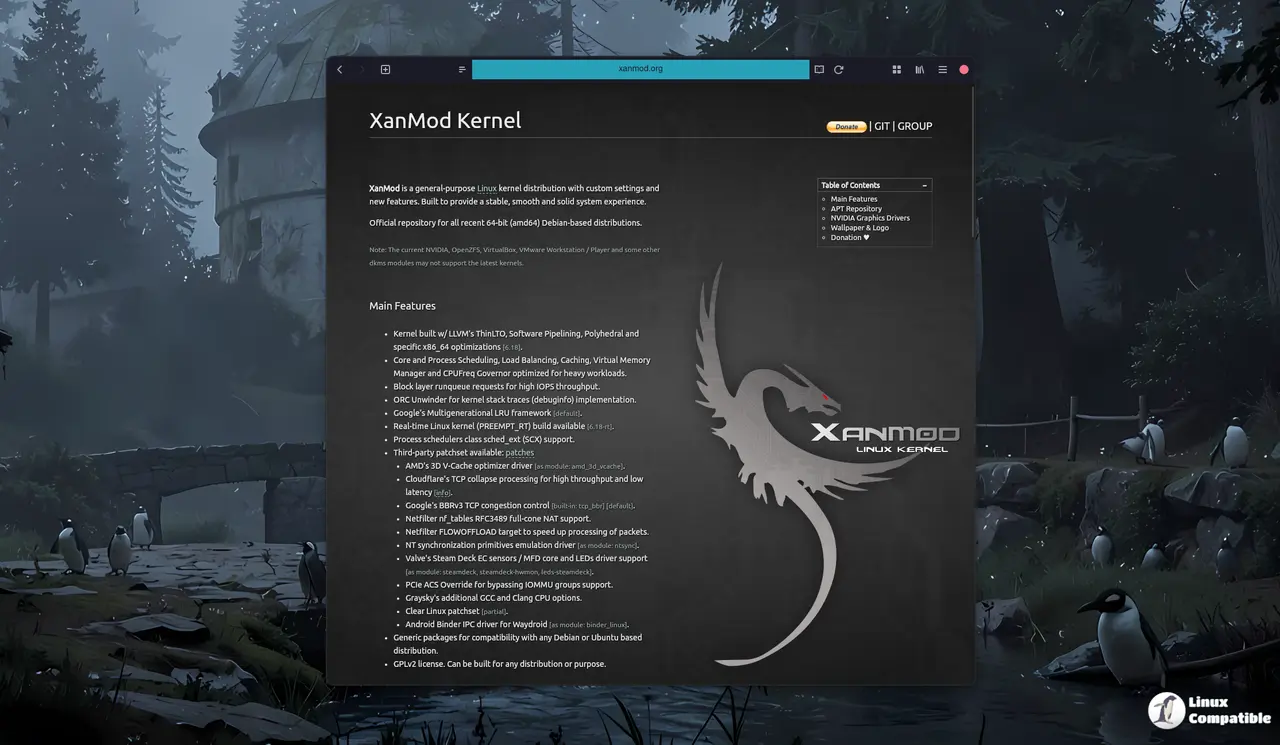
Why These XanMod kernels Updates Actually Matter
The build process now uses LLVM ThinLTO along with software pipelining and polyhedral optimizations, which tightens up the compiled code for x86_64 processors and reduces unnecessary overhead. Google multigenerational LRU runs by default to keep memory management from choking under heavy multitasking, while network stacks get Cloudflare TCP collapse processing and BBRv3 congestion control out of the box. File transfers and streaming stay smooth even on congested connections because the kernel handles packet retransmission more intelligently than the standard stack. The new SCX process scheduler class gives administrators finer control over how tasks get priority, and AMD 3D V-Cache systems finally get a dedicated optimization driver that loads as a module instead of requiring custom patches. Real world testing shows these tweaks shine when running virtual machines or compiling code, but the real win comes during sustained workloads where traditional schedulers tend to stutter under memory pressure.
How to Install XanMod Kernels Without Breaking Your System
Setting up the repository starts with downloading and importing the official PGP key, which keeps package verification secure and prevents tampered updates from slipping through your system. Adding the source line tells the package manager where to pull the new builds, and running an update refreshes the local cache so the operating system recognizes the fresh packages. Installing linux-xanmod-x64v3 pulls in the optimized binaries along with matching headers, while a separate command grabs dkms, libelf-dev, clang, lld, and llvm if external modules need recompiling later. A quick reboot finishes the process and loads the new scheduler and memory management routines into active memory. The package manager handles fallback entries automatically, so rolling back remains straightforward if something acts up after booting. Users who rely on proprietary drivers should keep that older LTS entry in the bootloader just in case, because kernel updates have a habit of breaking things right when you need them most.
First, bring the PGP key into APT’s trust store so it can verify every package that rolls out. Running the command below fetches the key and writes it to the appropriate directory; doing this before adding the repository protects you from man‑in‑the‑middle attacks on the kernel packages.
wget -qO - https://dl.xanmod.org/archive.key | sudo gpg --dearmor -vo /etc/apt/keyrings/xanmod-archive-keyring.gpg
Next, drop a repository file into sources. The line below is already tuned for the distribution you’re on; it automatically expands to the correct codename thanks to lsb_release. Once that file is in place, APT knows exactly where to pull the kernel packages from.
echo "deb [signed-by=/etc/apt/keyrings/xanmod-archive-keyring.gpg] http://deb.xanmod.org $(lsb_release -sc) main" | sudo tee /etc/apt/sources.list.d/xanmod-release.list
Finally, update the package list and install the kernel. The --no-install-recommends flag keeps the installation lean by only pulling essential dependencies; you’ll still need a few development packages if you plan on compiling any external modules later.
sudo apt update && sudo apt install linux-xanmod-x64v3
What to Watch Out For Before Upgrading
The release notes flag a known compatibility gap with several dkms modules, and NVIDIA drivers, OpenZFS, VirtualBox, and VMware Workstation or Player often break until their maintainers push updates. Running those tools on a fresh kernel without checking vendor forums usually ends in a black screen or a failed module build that takes hours to untangle. The PREEMPT_RT variant targets low latency audio and real time control tasks rather than general desktop use, so picking the wrong build can introduce unnecessary overhead for everyday browsing or office work. Steam Deck hardware support lands as loadable modules for EC sensors and LED controllers, which helps handheld enthusiasts without forcing changes on standard desktop rigs. PCIe ACS override functionality bypasses IOMMU group restrictions when passthrough setups refuse to cooperate, though it requires careful configuration to avoid memory mapping conflicts that can crash the system mid-session.
Grab the update when ready, test it on a non critical machine first, and enjoy the smoother performance. Drop by if you run into module conflicts or need help tweaking scheduler settings.


