The XanMod Kernel 6.18.35 LTS and 7.0.12 drop into Debian-based systems with a heavy focus on fixing memory leaks in USB and Bluetooth drivers while tightening networking stack bounds checking. Official repositories make the five-minute installation straightforward, though users must register the GPG key and add the correct distribution codename before running the package manager. Systems relying on external kernel modules need the dkms and build dependency packages installed first to prevent driver compilation failures after the reboot. Verifying hardware detection and proprietary graphics modules on the first boot prevents silent failures, and the automated repository updates keep the optimized scheduler and memory tweaks current without manual intervention.
How to Install the XanMod Kernel 6.18.35 LTS and 7.0.12 on Debian-Based Systems
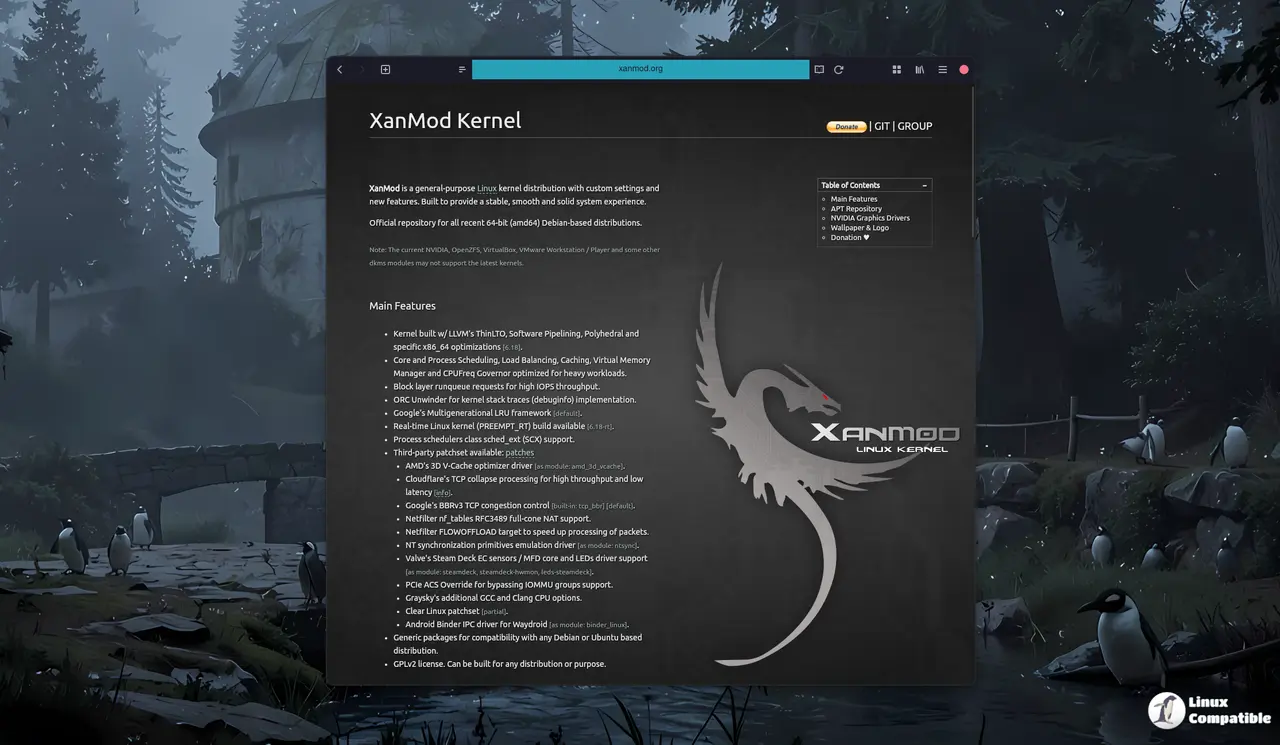
The XanMod kernel 6.18.35 LTS and 7.0.12 have hit the streets with a massive batch of fixes and performance tweaks that actually matter for daily desktop workloads. This release patches memory leaks in USB gadget drivers, stabilizes Bluetooth stack handling, and cleans up several race conditions that have been causing random hangs on busy systems. Getting it installed on a Debian or Ubuntu box takes about five minutes, and the official repository makes tracking updates painless once the key is registered.
Why the XanMod Kernel Update Deserves Your Attention
The commit log reads like a standard kernel maintenance sprint, but the real value lies in how XanMod packages and tunes these changes for consumer hardware. The Bluetooth L2CAP and ISO stack fixes address use-after-free bugs that have been quietly dropping wireless audio connections during heavy network traffic. USB gadget drivers finally get proper memory leak corrections, which means those cheap OTG adapters and development boards stop leaking kernel memory after a few hot-plug cycles. The networking stack also gets tighter bounds checking on RSS context updates and ethtool EEPROM queries, so network interfaces stop crashing when administrators run diagnostic scripts. XanMod does not just ship vanilla patches. The team applies aggressive CPU scheduling tweaks and memory reclaim optimizations that keep desktop latency predictable under load. Installing the x64v3 variant assumes a relatively modern processor with AVX2 support, so older desktops should verify instruction set compatibility before switching.
Registering the Official Repository and Installing the XanMod Kernel
The first step requires pulling the official GPG key and storing it where the package manager expects it. A wget command pipes the archive key through gpg dearmor and drops it directly into /etc/apt/keyrings to establish trust. The repository line then gets written to a new sources list file, and the system codename gets injected automatically so the correct package branch downloads without manual editing. After refreshing the package index, the actual kernel package installs alongside the necessary build tools for external modules. The wget command pulls the archive key and pipes it through gpg dearmor to create a trusted keyring file. The echo command appends the signed repository path to a new sources list file using the current distribution codename. Running apt update followed by apt install linux-xanmod-x64v3 fetches the optimized kernel binary and registers the bootloader entry.
Systems that rely on proprietary drivers or custom kernel modules should grab the minimal build dependencies before compiling anything. The dkms package handles automatic rebuilds when the kernel updates, while libelf-dev, clang, lld, and llvm provide the toolchain needed for out-of-tree modules. Skipping these dependencies usually results in failed module builds after the next reboot. The install command pulls dkms alongside the required development libraries without dragging in unnecessary desktop packages. Desktop users who only need standard graphics and audio drivers can safely drop clang and llvm from the dependency list to save disk space.
Verifying the Boot Configuration and Handling Common Hurdles
Rebooting the system triggers the bootloader to present the new kernel entry alongside the existing distribution default. Users should select the XanMod variant manually on the first boot to confirm hardware detection works correctly. The dmesg output will show the new scheduler and memory management patches taking effect, and the boot time usually drops slightly thanks to the improved initramfs compression. Some older Wi-Fi drivers and sound modules might need a quick recompilation after the switch. The dkms service usually catches these automatically, but a manual dkms autoinstall command clears the queue if the system stays quiet.
Graphics acceleration on hybrid laptops sometimes requires a quick rebind of the proprietary driver after the kernel swap. The nouveau and radeon open source stacks generally load without issues, but proprietary NVIDIA users should verify the module matches the new kernel version. A quick check of the installed kernel headers against the running version prevents silent driver failures. The XanMod kernel 6.18.35 LTS and 7.0.12 deliver a noticeably tighter desktop experience for systems that run heavy workloads or frequent peripheral swaps.
Installing the XanMod kernel without breaking existing tools
The installation process relies on standard APT commands, but skipping a few steps will leave external modules stranded during updates. First, registering the PGP keyring ensures package managers trust the repository before pulling any files, which prevents authentication errors down the line. Next, adding the source line with the distribution codename baked in directs the system to the correct server branch, since mixing up trixie and bookworm branches will break dependency resolution. Running an update and installing linux-xanmod-x64v3 pulls the optimized build directly from their servers. External module builders should grab dkms, libelf-dev, clang, lld, and llvm before rebooting, because NVIDIA drivers, OpenZFS, VirtualBox, and VMware Workstation all compile against kernel headers at boot time. The developers explicitly warn that some of those DKMS packages lag behind upstream releases, so users relying on proprietary graphics or storage stacks should verify compatibility first. A quick restart finishes the swap and loads the new scheduler defaults.
First, bring the PGP key into APT’s trust store so it can verify every package that rolls out. Running the command below fetches the key and writes it to the appropriate directory; doing this before adding the repository protects you from man‑in‑the‑middle attacks on the kernel packages.
wget -qO - https://dl.xanmod.org/archive.key | sudo gpg --dearmor -vo /etc/apt/keyrings/xanmod-archive-keyring.gpg
Next, drop a repository file into sources. The line below is already tuned for the distribution you’re on; it automatically expands to the correct codename thanks to lsb_release. Once that file is in place, APT knows exactly where to pull the kernel packages from.
echo "deb [signed-by=/etc/apt/keyrings/xanmod-archive-keyring.gpg] http://deb.xanmod.org $(lsb_release -sc) main" | sudo tee /etc/apt/sources.list.d/xanmod-release.list
Finally, update the package list and install the kernel. The --no-install-recommends flag keeps the installation lean by only pulling essential dependencies; you’ll still need a few development packages if you plan on compiling any external modules later.
sudo apt update && sudo apt install linux-xanmod-x64v3
Swap the kernel when the next stable point release drops, and keep an eye on the official changelog for any hardware-specific quirks. The repository handles updates automatically, so the system stays patched without manual intervention. Enjoy the smoother desktop performance.


