Wine Staging 11.20 ships, riding high on upstream Wine 11.20
Community patchset adds ARM64EC debugging, a CD-ROM rethink, and a pile of app fixes.
Wine Staging 11.20 was tagged today, one day after upstream Wine 11.20 went out the door. If you've been wondering what the "staging" branch actually is, it's the experimental testing ground for the Wine compatibility layer. As its own README puts it, Staging "contains bug fixes and features, which have not been integrated into the development branch yet."
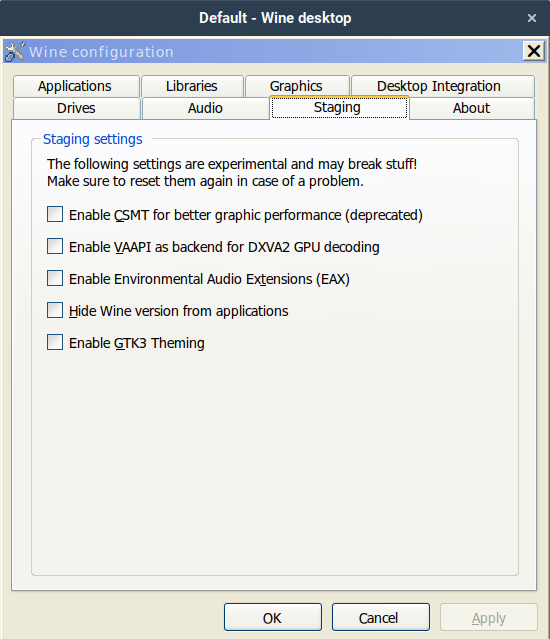
The idea is pretty simple. Contributors write patches to make Windows software run on Linux, polish them until they're presentable, then bundle them on top of the latest upstream release. When upstream finally accepts the work, Staging gets to ship it first. Wine Staging is a patchset, not a fork, so it has to be rebuilt against matching Wine source every cycle.
This release is no exception. It rebases onto Wine 11.20 and layers in its usual experimental additions.
What changed this cycle
The headline work this time is ARM64EC support. Microsoft's ARM64EC lets ARM64 and x64 code coexist in the same process, and it's a growing target as Windows on Arm picks up steam. Wine 11.20 adds relay and replay debugging for it. That's a diagnostics feature that logs every Windows API call, so developers can see exactly what an app is doing and then replay those calls to pin down a bug.
Two smaller but welcome changes round out the technical side. XML validation got cleaner, which matters for apps that lean on Microsoft's MSXML components. CD-ROM support also moved out of its old code path and over into Wine's Mount Manager, aligning how optical media gets handled with real Windows semantics.
Then there are the 24 bug fixes upstream Wine absorbed. Not bad for a two-week cycle. They hit a spread of productivity tools, creative apps, and games.
Microsoft Office 2013's click-to-run installer now actually completes. QuickBooks licensing initializes without throwing errors. OneDrive stops crashing on its incomplete cldapi.dll implementation. MusicBee no longer blows up with an out-of-memory exception in 32-on-64 mode.
The games list is what usually draws the crowd. Star Wolves 3 was getting audio stuttering and performance drops. Imperium: Great Battles of Rome came back with missing music. Battlefield 1942 couldn't copy its secdrv.sys driver, and that's now fixed. UFO: Aftershock and UFO: Afterlight had trouble with Nvidia's proprietary drivers, and that's on the list too.
There's also a regression fix for a prefix freeze when initializing a new Wine prefix after parsing a large /etc/hosts file. For anyone who's had their prefix stall on that, this is a small mercy.
How big is the staging patchset?
The real difference between vanilla Wine and Staging is the patches themselves. Wine Staging 11.20 carries somewhere in the 275 to 290 patch range across nearly every subsystem, matching recent releases that have hovered in the same band.
The biggest single categories are DirectComposition compositing work with roughly 68 patches, EAX audio with about 24, and NVIDIA NVAPI stubs with 23. Plus patches for legacy D3DRM and Star Wars titles, threaded XML HTTP, font substitution, and a grab bag of NTDLL tweaks.
It's exactly the kind of experimental, useful work that defines Staging: fixes for niche hardware, legacy software, and specific games that upstream Wine simply isn't ready to absorb yet.
However, at the same time, not everything there is going to be stable. Staging bundles experimental code, so it can be a touch less reliable than vanilla Wine. That's the trade-off. You get more things working, sometimes at the cost of occasional hiccups.
Getting it installed
Prebuilt packages exist for most major Linux distros and macOS. On most of them the package lands in /opt/wine-staging, so you can keep multiple Wine versions around and invoke the staging binary explicitly.
If you'd rather build from source, you apply the staging patches on top of the matching upstream Wine development tree using the patchinstall.py utility, then compile normally. One heads-up: the project prefers contributions through the WineHQ bug tracker and the GitLab mirror, not GitHub pull requests.
Wine Staging tracks upstream on its bi-weekly cadence. Upstream Wine 11.20 landed October 16, and Staging followed the next day. The 11.x line is building toward Wine 12.0, targeted for early 2027, and the ARM64EC push plus the NT DLL reworks you're seeing now are all part of that trajectory.
Head here for setup guidance.


