Ungoogled Chromium 155.0.8059.84-1 riding along with Chrome's ten security fixes
The privacy-focused fork's newest Linux build drops Google's web-service hooks while carrying Google's own October security patches.
Ungoogled Chromium, the community fork built around one narrow idea, just published a new Linux build. Version 155.0.8059.84-1, tracking Google's Chrome Stable 155.0.8059.84, which dropped a day earlier with ten security fixes. In short: you get Chromium stripped of every built-in dependency on Google web services, sitting on top of Google's latest vulnerabilities being patched.
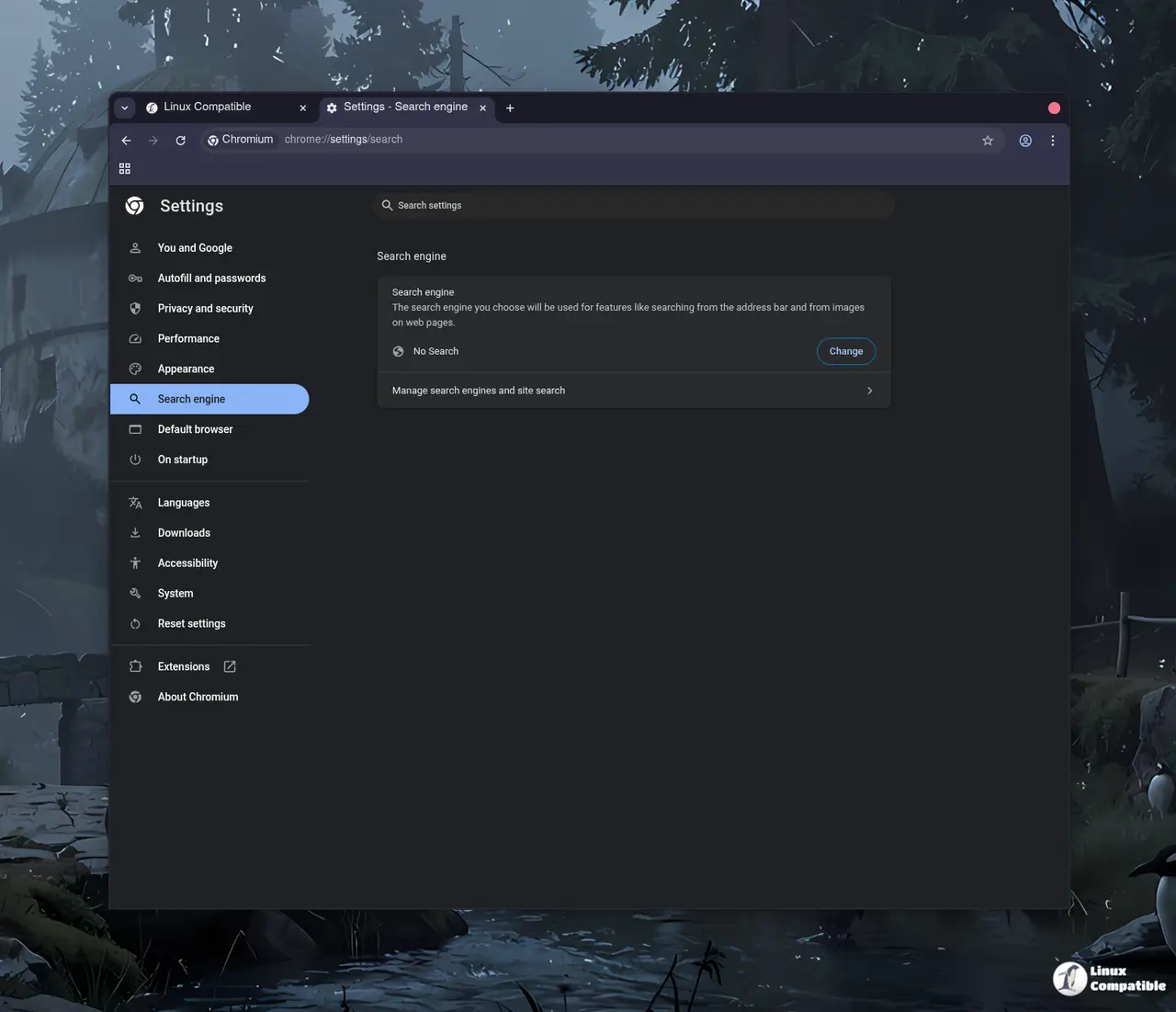
For those unfamiliar, Ungoogled Chromium is what happens when you take Chromium and remove Google's servers dependencies. Its README puts the mission in a single line: "Google Chromium, sans integration with Google." It explicitly doesn't want to be a browser with its own vision. It wants to be a drop-in replacement for vanilla Chromium.
Why it matters
Chromium is the open-source foundation Google builds Chrome on, and it happens to power Edge, Brave, and Arc too. So the pitch here is simple. Keep the top-tier engine and full modern-web-standard support, but cut the parts that make the browser quietly rely on Google infrastructure: domain lookups, telemetry-adjacent background requests, bundled Google binaries, and hard-coded calls to Google servers.
The .84 release is really a security event in disguise. Google's 155 update patches ten CVEs, and the headline is CVE-2026-110922, a critical use-after-free in the Prerender subsystem. Google's own advisory gives it a CVSS v3 score of 9.8, noting it can drive remote code execution inside the sandbox from a crafted HTML page.
The rest of the batch is more mundane. Memory-corruption bugs in the DOM and core, plus a trio of V8 issues all credited to a single researcher named Xinyang Ge. One of those V8 fixes is flagged as reported "assisted by Claude," which is a small but oddly timely detail for an October 2026 security advisory. Google says it's aware of no known exploitation in the wild, and the bugs aren't showing up in CISA's KEV catalog either.
That matters for ungoogled-chromium users specifically because the fork shares Chromium's code, which means it shares those same flaws. Upgrading to .84 brings the fixes along with it.
What you actually get
The project runs on a patch-and-config pipeline rather than hand-rewritten code. At build time it prunes pre-built binaries, rewrites Google domain names to addresses ending in the pseudo-TLD qjz9zk, and layers on a curated pile of patches. Those patches aren't invented from scratch. They're pulled from other privacy-focused projects, bromite, inox-patchset, iridium-browser, and a handful of distro-specific sets, then applied on top of each new stable Chromium release.
The result is a browser that does pretty well out of the box, though the best privacy features mostly want you to flip some flags by hand. And there are trade-offs. Installing Chrome Web Store extensions now needs a separate community extension called chromium-web-store. The domain-substitution trick is crude and, per the project's own warnings, may not be easily undone. Some analysts also point out that the browser is still fingerprintable and that dropping Google's sync can make profiles behave oddly across devices.
It's worth being clear that ungoogled-chromium isn't a deep-security fork. Privacy Guides community contributors have called it more of a binary rehost and configurator, which is exactly why the upstream .84 security update carries so much weight. Its safety mostly rides on Google's own fixes.
Hasn't been around forever, though. The project started in 2015 with a hobbyist going by the username Eloston, who distributed prebuilt binaries himself before eventually handing off and releasing only the patches. He greatly reduced his involvement in 2019, and a group of other developers has kept it maintained since. In 2022 the repository moved from Eloston's personal GitHub account to the "ungoogled-software" organization. It's a sizable project now: roughly 28,000 GitHub stars, about 1,270 forks, over 2,400 commits, mostly written in Python for its tooling, licensed under the permissive BSD 3-Clause. The .84 tag itself was published by an automated release bot, tracking Google's Stable channel closely. It had just shipped a .39 build a couple weeks earlier, on 2 October.
Where to grab it
Downloads are spread across a handful of channels since Eloston stopped shipping binaries directly. The GitHub Releases tag hosts the source tree, running about 678 kB as a tarball and 785 kB as a zip. Those are source archives though, not ready-to-run binaries.
For an actual installable package, the Flathub Flatpak (io.github.ungoogled_software.ungoogled_chromium) is around 161 MiB and covers both x86_64 and aarch64. MX Linux users can pull .deb packages straight from the distro's repos, and the rest of the OS-specific builds live in sibling SourceForge repositories.
If you're running stock Chrome or Chromium on Linux and want the latest fixes without phoning home, .84 is a reasonable stop. Not the most polished privacy browser on the market, but for users who've already decided they don't want Google in their browser, it's a low-effort way to stay current.
Head here to the GitHub releases page for the full source, or check Flathub for the Flatpak.


