Valve released SteamOS 3.8.14 and 3.8.22 Beta, both shipping identical changelogs with a priority fix for WiFi speeds. The patch corrects an issue where devices defaulted to slow connections on routers that misreport MCS negotiation values, a problem common on budget and older hardware. Pushing the fix straight to stable alongside the beta signals urgency, and the improvement applies to Steam Deck owners as well as third-party handhelds running SteamOS like the ROG Ally and Legion Go. This release follows a rapid cycle of updates, arriving just days after 3.8.13 stabilized controller firmware and game launch issues, with the initial 3.8 build having introduced ray-tracing and Steam Machine support back in mid-June.
Valve ships SteamOS 3.8.14 and 3.8.22 Beta with essential WiFi fix
The parallel release addresses slow download speeds on routers misreporting MCS requirements, with identical changelogs across both channels.
SteamOS 3.8.14 landed in the stable channel alongside the 3.8.22 Beta build for the preview track. Both updates carry verbatim identical changelogs. The main grabber is a WiFi fix that GamingOnLinux is calling "essential." Valve pushed the patch to stable immediately rather than letting it incubate in beta. That move signals confidence in the fix and marks it as urgent.
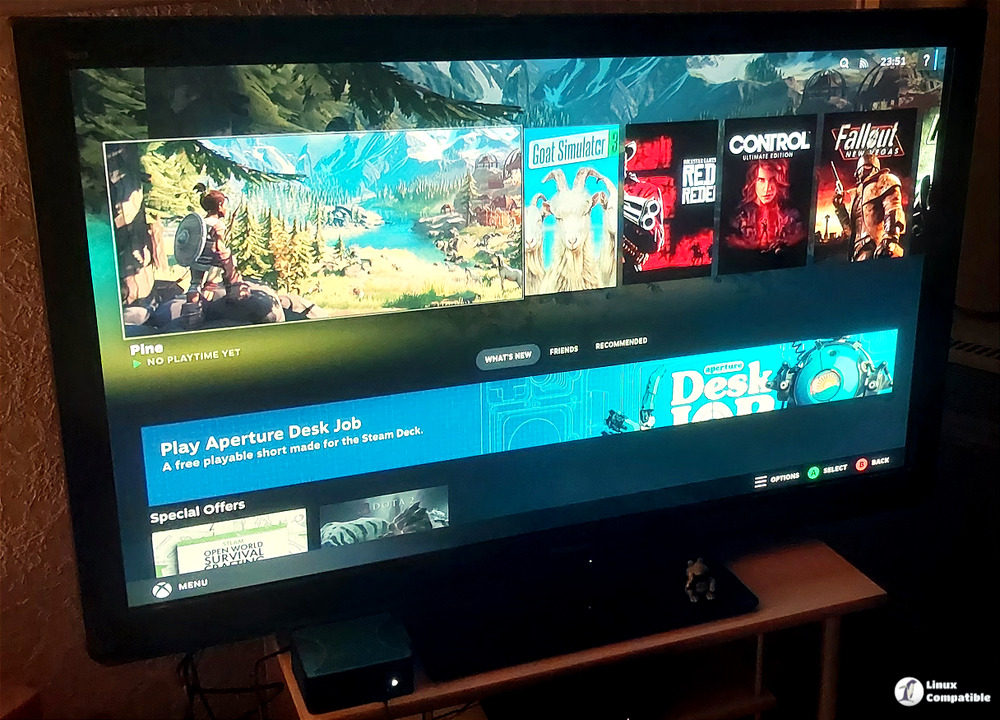
The WiFi Fix Explained
The update targets an issue where SteamOS WiFi connections get throttled on routers that broadcast incorrect MCS requirements. MCS stands for Modulation Coding Scheme. It's part of the 802.11n/ac/ax standards and governs how devices negotiate link speeds during the initial handshake.
When a router misreports its capabilities, the SteamOS WiFi stack historically played it safe. It defaulted to conservative speeds to avoid connection failures. Slow downloads. Frustrating wait times. That's the result of the old behavior. Budget routers and older models are the usual suspects here. The fix corrects the negotiation logic so your device can use the full bandwidth the network offers. If you're downloading a 100GB game and watching your speed sit at a fraction of your plan's cap despite a strong signal, this patch should make a noticeable difference.
Keep in mind that the numbering divergence between 3.8.14 and 3.8.22 is just a quirk of Valve's pipeline. The stable branch uses sequential minor versioning. The beta track uses a different numbering scheme for Deck-specific builds. The changes themselves are identical.
This isn't a Steam Deck exclusive fix either. The improvement extends to any third-party hardware running SteamOS, including the ROG Ally, Legion Go, and oneXPlayer. Valve says the changes were released simultaneously across both channels.
Recent SteamOS Updates
This release caps off a busy stretch for the SteamOS 3.8 lineage. On July 1, Valve shipped 3.8.13 with fixes for controller firmware update failures and crashes in FINAL FANTASY VII REBIRTH. The beta track saw 3.8.21 land the same day, adding improvements for the Steam Machine splash screen and various handheld quirks. Earlier, June 30 brought a major Mesa driver update with ray-tracing support.
The initial SteamOS 3.8 rolled out in mid-June, bringing a new Linux kernel, VRR improvements, and initial support for the upcoming Steam Machine desktop hardware.
Head here and here to check the full changelog. You can pull the stable update through your usual System settings. Beta users need to opt in via Settings > System > System Update Channel. The bug has been lingering for a while. The immediate push to stable suggests the fix is solid. You'll see the time-to-play drop from here on out.


