Ungoogled Chromium 152.0.7977.64-1 Ships With Routine Chromium Bump
Ungoogled Chromium 152.0.7977.64-1 has officially been released. The community fork of Google’s open source browser arrived across all supported platforms on August 27th, 2025. If you were hoping for a major privacy overhaul in this update, you will need to dial that back. It is a straight upstream version bump.
The project’s mission has not changed since it first gained traction. Google Chromium, sans integration with Google. It has steadily accumulated 27,500 stars and a dedicated user base across Linux, macOS, and BSD systems. The appeal is not in flashy new features. It is the cumulative effect of thousands of patches that quietly strip telemetry, disable background phone-home behavior, and replace Google domains with unreachable placeholders.
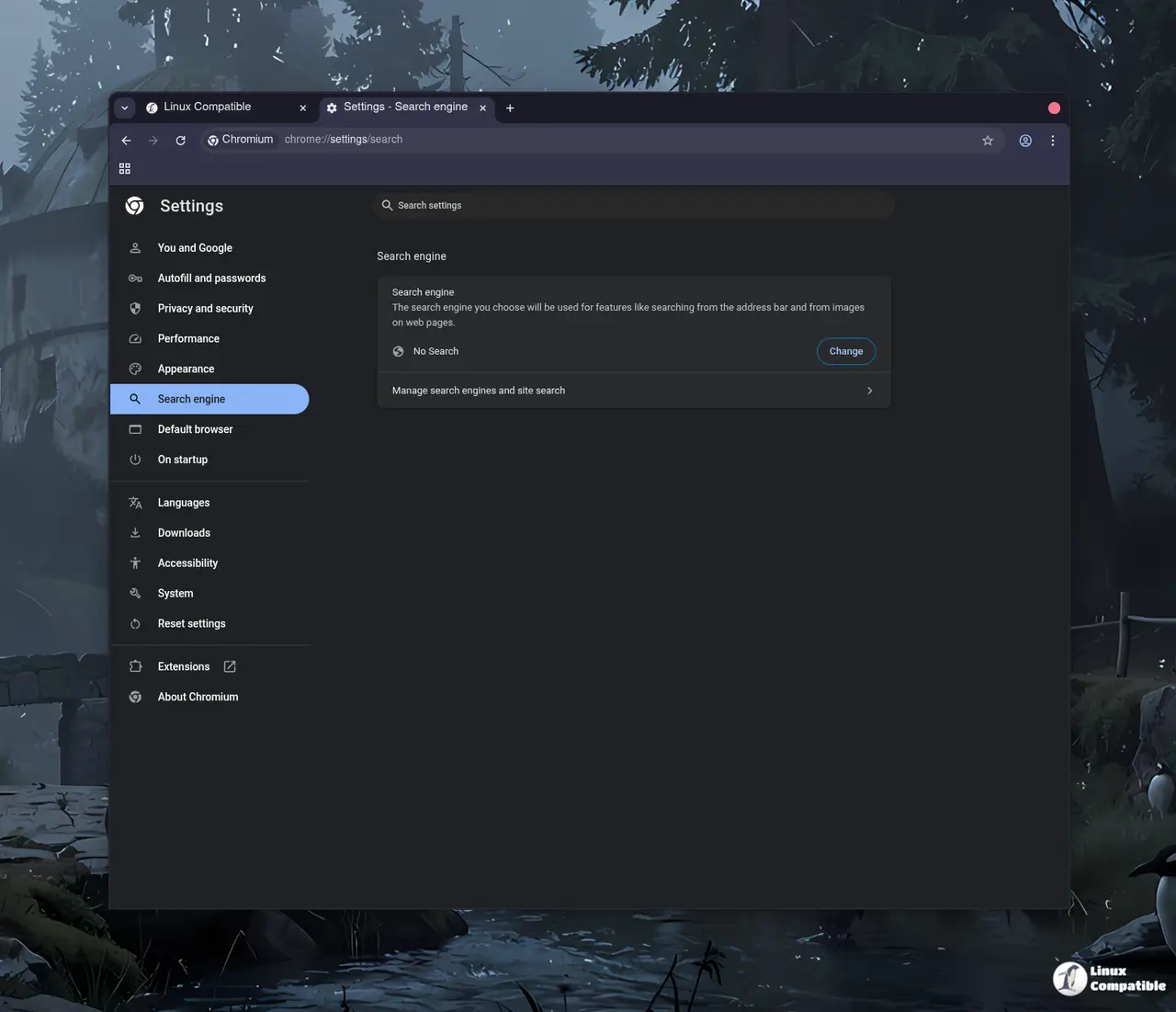
What Actually Changed
This release tracks Chromium 152.0.7977.64. The -1 revision tag means it is the first pass of ungoogled-chromium’s patch set applied to this particular stable branch. No new patches were merged. The GitHub release notes are intentionally sparse, simply confirming that the upstream build has been ported and verified.
Maintainer Ahrotahn handles the packaging and signs every archive with a verified GPG key. The build pipeline runs on Cirrus CI, which keeps the cross-platform compilation consistent across Debian, Fedora, Arch, macOS, and FreeBSD. It is a rather unglamorous process, though that steady reliability is exactly what keeps the project running.
For what it is worth, the lack of new patches is the whole point. ungoogled-chromium deliberately avoids feature drift. It wants to remain a drop-in replacement for vanilla Chromium, just without the Google strings attached. Chromium operates on a roughly four-week stable channel cadence, so this update simply bumps the engine forward while keeping the privacy defaults locked in place.
The Privacy vs. Security Tradeoff
You should know what you are signing up for. By design, the project strips Google Safe Browsing, the URL Tracker, and the Host Detector. That means you lose Google’s real-time phishing and malware checks. In return, you get a browser that stops calling home to placeholder domains at runtime.
The domain substitution layer is the real safeguard. It swaps out nearly every Google service endpoint in the source tree and forces Chromium to block those addresses before they ever reach your network. The tradeoff draws a clear line. Privacy seekers usually welcome the blind spot. Security-conscious users who want automatic threat detection will want to run additional extensions or rely on local network scanning.
It is also worth remembering that the project borrows heavily from the Inox patchset, Bromite, and Debian’s Chromium packaging. The result is a browser that feels like vanilla Chromium until you start poking around in chrome://flags. From there, the intranet redirect detector sits disabled by default, which breaks captive portal detection until you manually enable it.
Head here for the Flatpak, and head to the GitHub releases page if you want to download the source code.


