Ubuntu 26.04 LTS Final Freeze Explained
The Ubuntu 26.04 LTS final freeze has officially kicked in, which means the release team is locking down everything except critical fixes before next week's launch. Readers will learn exactly what this freeze actually blocks, how to handle last minute package uploads, and why testing those upcoming release candidate images matters more than chasing shiny new features right now.
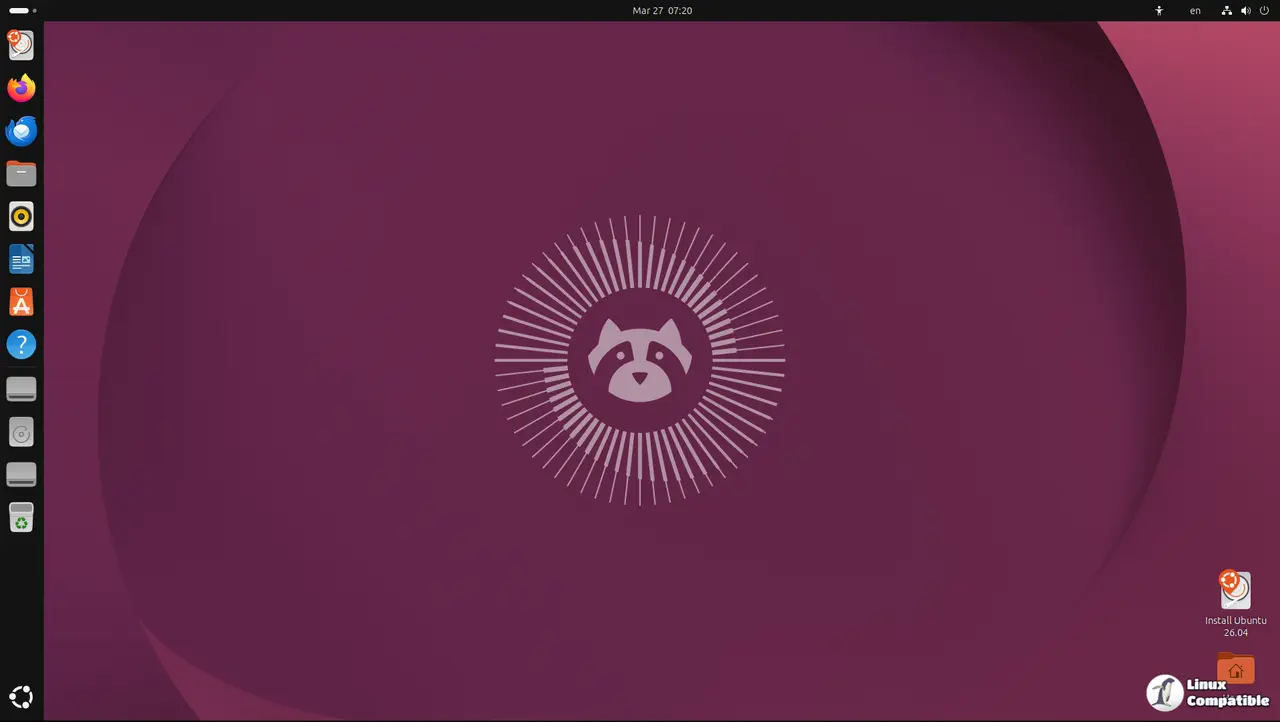
What the Ubuntu 26.04 LTS Final Freeze Actually Means
The freeze is not a magic switch that stops all development. It simply shifts the gatekeeping rules for anything trying to enter the main archive. Uploads now fall into two strict buckets. The first covers release critical bugs that break installers or core images, since those issues cannot be patched cleanly after launch. The second bucket holds fixes meant for post release SRUs, which the team might accept immediately or shunt to proposed updates depending on risk. Anyone pushing packages during this window must reference a Launchpad bug report and include the standard SRU template if they want it treated as a stable update rather than a rolling change. The template requirement exists because automated migration scripts cannot parse freeform changelog notes, and skipping it just creates manual work for the release engineers. Skipping that paperwork usually means the upload gets rejected outright.
Why Testing Release Candidate Images Matters
The release team plans to spin RC images over the next few days once the archive migration settles down. Those builds are not meant for production machines, but they serve as a stress test for hardware compatibility and driver stacks before the official launch. Skipping the testing phase usually results in last minute panic when users discover broken wireless modules or missing firmware blobs on day one. The team expects flavor maintainers and volunteers to run through basic installation flows and verify that core services start correctly. Catching a broken kernel module now saves hours of troubleshooting later, especially when dealing with older hardware that relies on out of tree drivers. This exact scenario plays out regularly when a rushed driver update forces a full rollback of the graphics stack just forty eight hours before launch.
Handling Unseeded Packages Without Breaking the Build
Packages that do not ship on any official media or supported sets still operate under looser rules during this window. The catch is that maintainers must validate changes before pushing them, since untested updates can easily destabilize dependent libraries. A common mistake involves updating a shared library without checking ABI compatibility across related tools. That kind of oversight forces the release team to roll back entire sections of the archive just to keep the installer functional. Sticking with proven versions until after launch keeps the build stable and avoids unnecessary rebuild cycles that delay SRU approvals. Many maintainers treat unseeded package updates like a free pass, but pushing unvalidated changes during a freeze window is just asking for broken dependencies. The current state is usually good enough for most desktop workflows, so chasing bleeding edge updates only introduces unnecessary risk.
Grab an RC image if you want to test your setup before next week, but keep a backup drive handy since these builds are still rough around the edges. The official release should be solid once all the proposed migrations finish their seven day aging period. Happy testing and good luck with the upgrade.


