TheSSS 53.0 is out, and it's still chasing the title of "smallest server suite in the world"
The 4MLinux development team released TheSSS 53.0 today, the newest version of what ADMIN Magazine has called the smallest server suite on the planet. It's a live, bootable image built on top of 4MLinux Server 53.0, a base that only just reached its STABLE milestone this month after a cycle that started with a Core BETA in August.
The core idea hasn't changed since the project began. You boot it from a USB stick or CD, it loads fully into memory, and you can stand up FTP, HTTP, SSH, NFS, or proxy services in seconds on hardware that would barely manage a modern desktop. That points squarely at emergency recovery, temporary workgroups, and legacy machines that deserve a second life.
Keep in mind that this is exactly the audience for something like this. The rest of us will likely never boot it, but that's not really its job.
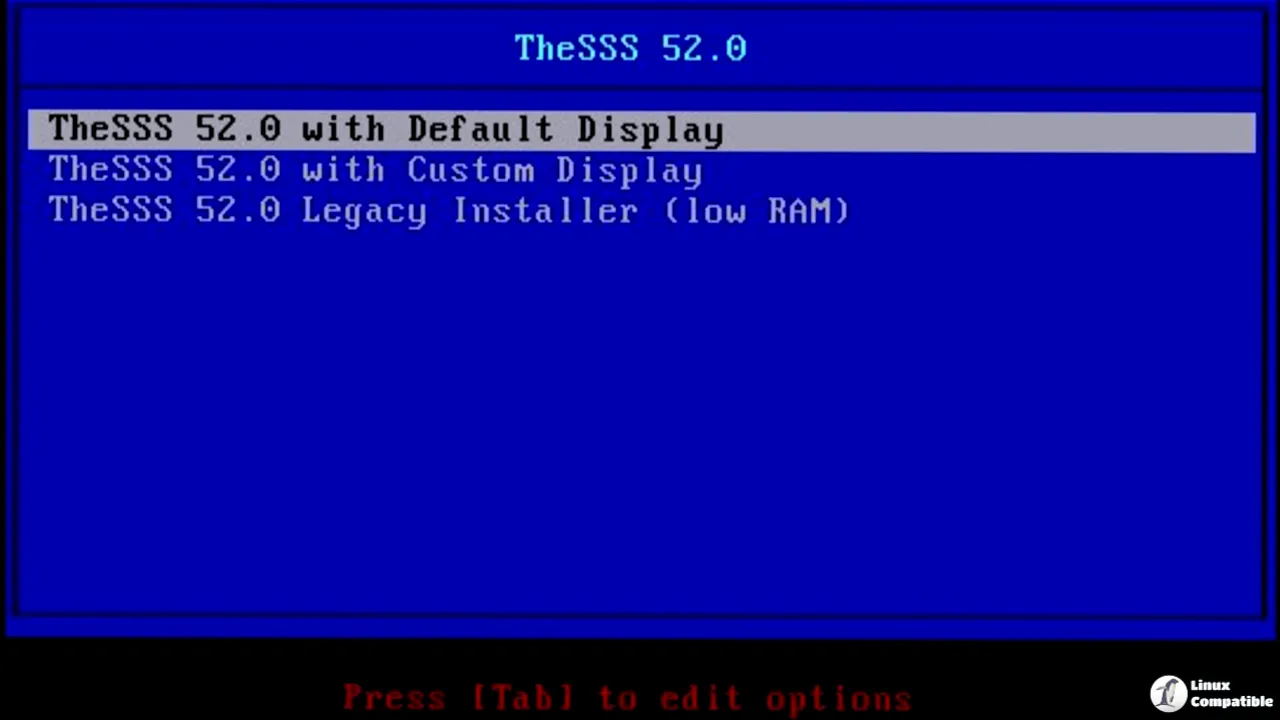
What's actually in it
The server list reads like a greatest hits of tiny daemons. You get FSP, a lightweight UDP file-transfer protocol, plus FTP and SFTP through vsftpd, HTTP and HTTPS via thttpd, and then NBD, NFS, NTP, rlogin, SSH, Telnet, and TFTP. Polipo rounds out the proxy side, a Tor anonymizer is tucked in for good measure, and the two headline security pieces are the iptables-based 4MLinux Firewall and ClamAV for scanning the files you're serving around.
Both the firewall and the AV engine got small nudges. ClamAV is now at 1.5.4, and iptables sits at 1.8.13. Not much to write home about, but both matter once you're actually handing files to people you don't know.
The real movement in 53.0 is in the toolchain. GCC jumps from 15.2.1 to 16.1.0, a full compiler generation, while glibc climbs from 2.43 to 2.44. Kernel modules advance to 6.18.64, which puts this release slightly ahead of 4MLinux Server 52.2's 6.18.55. Everything else stays where it was: OpenSSH 10.2p1, OpenSSL 3.6.1, Bash 5.3.9, curl, wget, and Tor are all untouched. BusyBox stays put too.
That last bit is worth saying out loud. Out of roughly 165 addon packages in the image, most of the stuff you'd actually touch didn't get bumped. The core Linux tooling advanced; the daemons mostly didn't. That's fine for a release this small, but don't go expecting the very latest of your favorite servers.
It stays tiny on purpose
Every choice here is made with footprint in mind. thttpd instead of Nginx, Dropbear alongside OpenSSH, Polipo instead of Squid. FSP as the flagship file server is almost a statement of intent. It's a stateless UDP process that handles every client through a single daemon and shrugs off SYN-flood attacks, and it's the clearest expression of 4MLinux's years-long love affair with ultra-efficient, privacy-friendly file archiving.
You can write the ISO to disk two ways, since it works with both Unetbootin and Ventoy. Same file becomes either a CD or a Live USB, so there are no separate images to juggle.
Updates are a single command. Type zk update and the bundled zk addon does the rest, using the same mechanism 4MLinux leans on across its whole family. That prolific cycle is a reason the ecosystem ships so often, with roughly 25 to 50 announcements per year across all the forks. TheSSS tracks the parent release series: 50.0 in October 2025, 51.0 in February, 52.0 in August, and now 53.0.
If you want a box that can also run PHP and MariaDB, an optional add-on bundle lives on SourceForge and stays BusyBox-compatible, letting TheSSS pose as a mini LAMP server without ballooning. On the other hand, remember this is a live image built to run from RAM, so treat any persistent storage as a nicety rather than a backbone.
A server suite that also plays games
It also ships games. A Doom port, a Quake port, a bundle called cgames, MIDI playback, an IRC client. Unusual for something billed as a server suite, but it tracks with 4MLinux's broader "have a nice Linux" attitude, favoring a full mini distro over a bare toolbox.
It's arguably overkill for anyone not doing emergency recovery or coaxing life out of old hardware, and the lack of upgradability cuts both ways. Still, for the specific job of booting a competent set of network services on a machine you'd otherwise toss, the footprint is hard to beat.
Head here to download the release.


