Tails 7.9 Release Brings Tor Browser Upgrades and Flatpak Support Behind a Feature Flag
The latest Tails 7.9 release finally gets the privacy-focused operating system into shape for modern hardware while quietly adding app installation capabilities that actually respect stream isolation. Users upgrading from older versions will notice faster boot times on newer laptops, fewer false alarms about Secure Boot certificates, and a much more stable test environment for developers. This update focuses on practical fixes rather than flashy new features, which is exactly what this crowd needs right now.
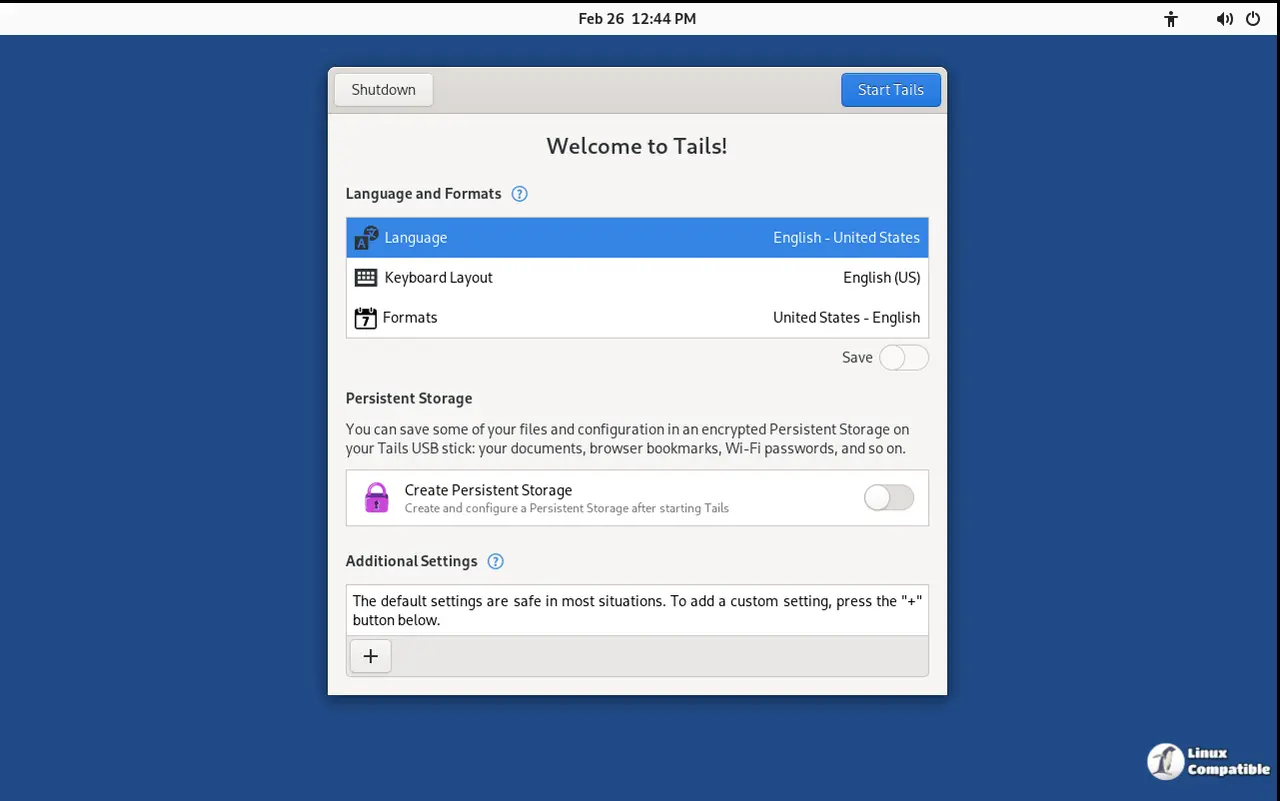
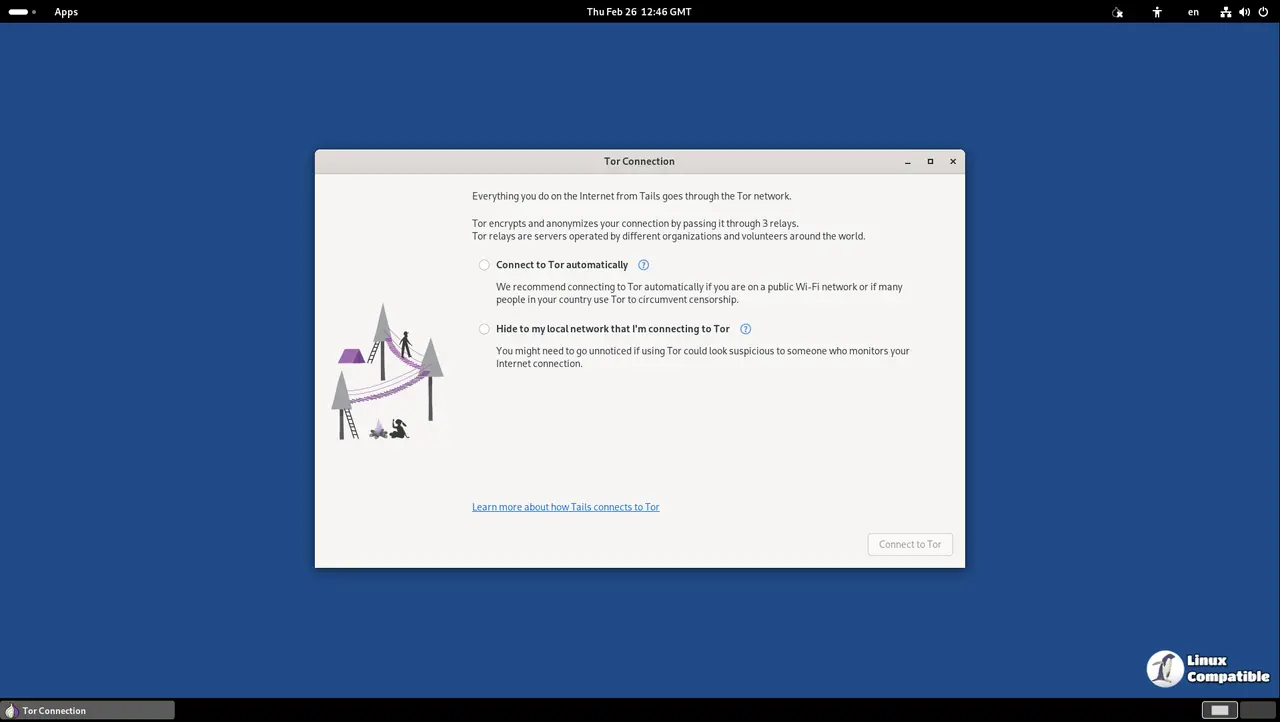
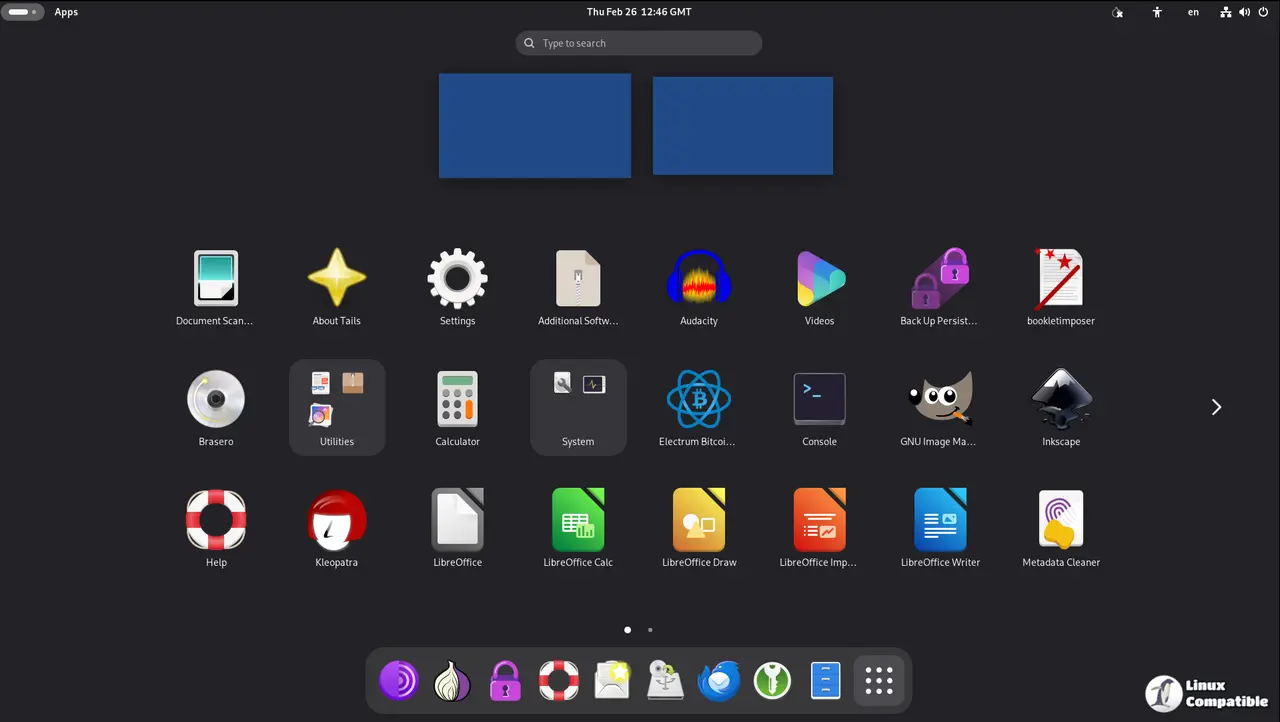
Tor Browser and Firmware Updates Fix Real Hardware Headaches
The jump to Tor Browser 15.0.16 based on Firefox ESR 140.12 brings necessary security patches without breaking the custom about:tor page that long time users rely on. More importantly, the firmware package refresh targets graphics and Wi-Fi drivers that have been causing connection drops on newer laptops. Field reports show plenty of systems losing wireless adapters after a driver update, and this release finally patches those gaps for recent Intel and AMD chipsets. The Secure Boot notification bug also gets cleaned up so users stop getting spammed about outdated certificates when the system already checks out fine. That kind of noise reduction matters when operators need to boot quickly in tight windows without troubleshooting phantom warnings.
Flatpak Installation Arrives With Tor Stream Isolation in Tails 7.9
The biggest structural change here is the introduction of Flatpak app support, though it stays hidden behind a feature flag until explicitly enabled. Operators should only toggle the feature flag after Tor finishes bootstrapping, because launching GNOME Software too early breaks stream isolation and leaks DNS queries. The wrapper forces all package requests through the transparent proxy, which keeps installed applications from bypassing the network mask. GNOME Software gets restarted automatically when persistence storage activates, fixing that annoying glitch where the install button flips to uninstall mid-process. Nobody needs an app store that forgets what it was doing halfway through a download. This approach avoids bloating the base system while still letting users grab tools like Signal or LibreOffice without touching the regular package manager. The test suite got rewritten around this feature to catch timing issues with GNOME Software loading screens, which shows how fragile desktop automation can get when forced to guess interface states.
Build System Tweaks and Test Suite Stability
Behind the scenes, the release cycle gets a major overhaul with GitLab CI pointing to updated container images and APT snapshots refreshed to mid-June 2026. The test suite now properly removes virtual DVDs before setting boot devices, which stops those fragile automation steps from throwing false errors. Waiting for the installed tab to finish loading before clicking anything else prevents race conditions that used to break automated verification runs. Documentation updates also clarify how IUK downloads and image copying work without relying on slow network mirrors or hidden implementation details. These changes might sound like developer housekeeping, but they directly translate to fewer broken upgrade paths when users push the update button.
Grab the ISO if current setups are showing their age or if a cleaner boot experience is needed. The team keeps this operating system tight by cutting bloat and fixing what actually breaks in actual field conditions. Check the full changelog for commit details, and keep those USB drives handy.


