Tails 7.11 updates Tor Browser to 15.0.20 and fixes Persistent Storage bug
The August 19 release brings Firefox ESR 140.14 under the hood and resolves a data persistence blocker for daily drivers.
Tails 7.11 has arrived. The Tor Project released the update on August 19, 2026, bringing the latest Tor Browser to the live operating system and patching a Persistent Storage activation bug. The update lands on the heels of Tor Browser 15.0.20, which hit the main channel just a day earlier on August 18.
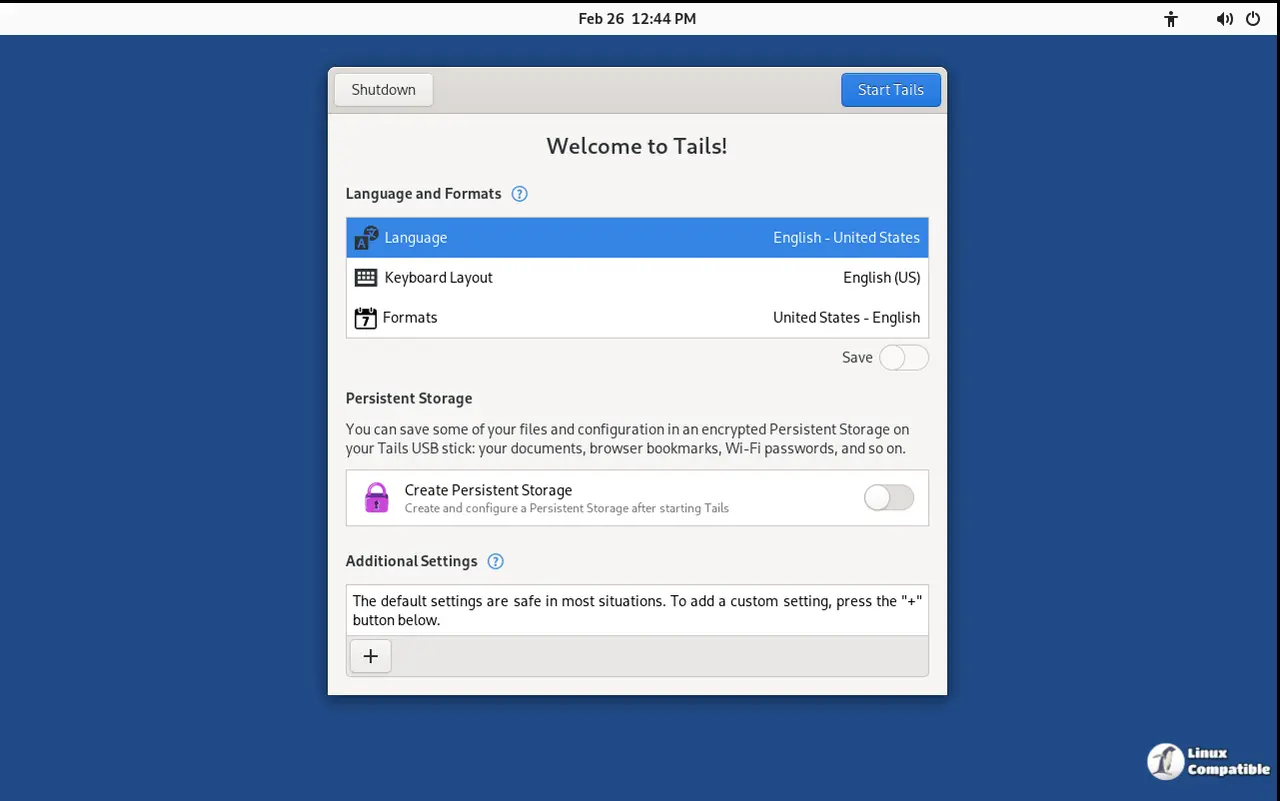
What's in Tails 7.11?
Tor Browser 15.0.20 hits the base this time around. It's built on Firefox ESR 140.14 and includes security fixes backported from Firefox 154. The release also bumps libevent to 2.1.13 and updates the Go programming language to 1.25.13. If you're already on Tails 7.0 or later, the built-in updater will handle the download automatically.
Persistent Storage activation failed on some systems prior to this release. Issue #19913 blocked users from saving data and settings across reboots. That feature is non-negotiable for anyone running Tails as a daily driver. The fix restores the ability to mount your encrypted volume on affected hardware configurations.
Manual upgrade images are available for those who prefer to pull the change themselves. However, a fresh install wipes Persistent Storage data. Back up your encrypted volume before applying a clean image if you're going that route.
The 7.x series and broader context
This release follows a tight monthly cadence for the 7.x series. Recent emergency patches addressed kernel CVEs like DirtyClone and PACKET_EDIT_MEME. The Tor Project's messaging emphasizes that while local privilege escalation is rare, strong adversaries like governments can still exploit these flaws. The organization, which absorbed the Tails project in 2024, continues to push coordinated updates across the ecosystem.
Community support remains vital. The Tor Project's participatory funding round crossed $200,000 earlier this week. Tools like Tails rely on that funding to maintain the Debian base and firmware updates for newer hardware. Edward Snowden has noted that Tails reduces operational mistakes for users facing high-risk environments.
Under the hood, Tails runs entirely from RAM on a Debian GNU/Linux base. It boots from USB or DVD and leaves no trace on the host machine. The project shifted Thunderbird to "additional software" back in version 7.8, reflecting a move to a more modular approach. You get the core privacy tools out of the box and can add more if you need them.
Head here to download the Tails 7.11 installer images. Upgrading from an existing installation preserves your work. The next patch in the 7.x series is likely to follow the monthly rhythm.


