Proxmox Backup Server 4.2 lands on Debian 13.4 with a focus on fixing the sync bottlenecks that have frustrated administrators for years. Parallel worker threads now handle multiple backup groups simultaneously, while server-side encryption ensures replication traffic stays locked down even when crossing untrusted networks. The update also lets you safely reorganize namespaces without breaking catalogs and adds official S3 object storage support complete with built-in bandwidth counters to catch unexpected cloud spikes. Whether upgrading an existing deployment or doing a fresh bare metal install, the changes make routine replication and hybrid storage management noticeably less painful.
Proxmox Backup Server 4.2 Brings Faster Syncs and S3 Storage
The latest release of Proxmox Backup Server 4.2 finally addresses long standing sync bottlenecks while adding official support for cloud object storage. Administrators managing offsite replication or hybrid setups will find the new encryption controls and parallel processing threads worth the upgrade. This update also ships with Debian 13.4 under the hood, which means newer hardware gets proper driver coverage without waiting for a separate kernel backport.
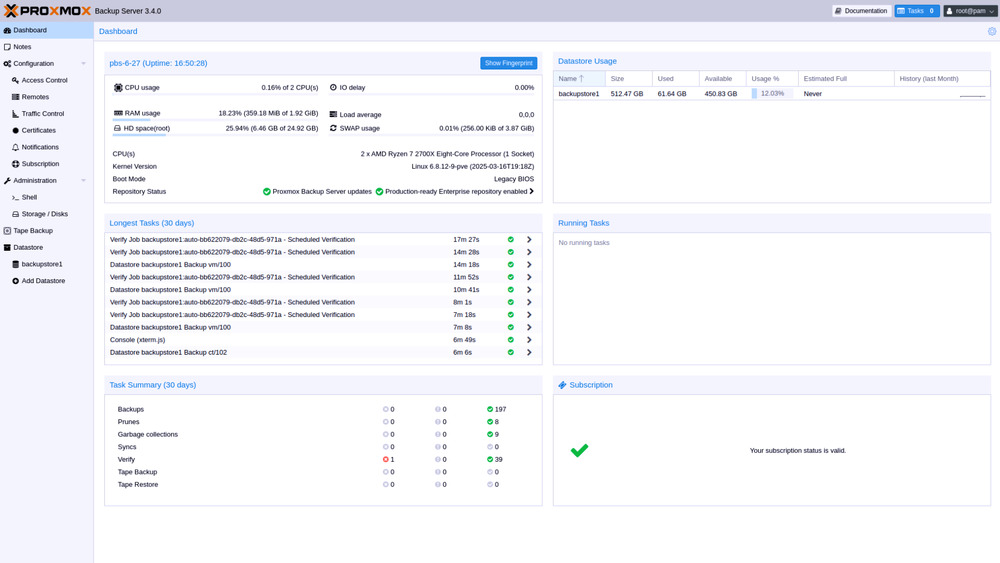
Proxmox Backup Server 4.2 Moves Groups Without Breaking the Chain
Reorganizing backup namespaces used to require exporting, deleting, and reimporting datasets, which always carried a risk of accidental data loss. The new move feature keeps everything intact while applying per group locking during the transfer. That lock prevents concurrent write operations from corrupting metadata while the datastore rearranges itself. A real world example involves a mid sized shop that needed to split monthly archives into separate namespaces after hitting storage quotas. With the old workflow, they had to schedule maintenance windows and manually verify checksums afterward. The updated process handles the relocation in place, so the backup catalog stays consistent without requiring downtime.
Server Side Encryption for Sync Jobs
Push sync jobs now encrypt snapshots on the fly before transmission, which removes the need to trust intermediate networks or less secure remote servers. Pull sync jobs can decrypt those same snapshots automatically when they arrive at the primary location. Key management finally lives in a single panel instead of scattered across tape and sync configurations. This matters because many organizations still route backup traffic through public internet links or partner datacenters where plaintext replication is a compliance headache. The centralized key vault also cuts down on administrative drift, since rotating credentials no longer requires touching multiple configuration files.
Parallel Processing and S3 Object Storage
Sync jobs can now process multiple groups concurrently through the worker threads property, which directly tackles HTTP/2 connection limits that used to throttle large replication tasks. High latency links benefit most from this change, since parallel workers keep the pipe full instead of waiting for sequential group transfers to finish. Logging improvements add contextual prefixes so administrators can actually trace failed sync attempts without guessing which datastore caused the bottleneck. S3 compatible object stores now function as a first class backup backend, complete with request counters and traffic statistics in the dashboard. Those metrics catch unexpected bandwidth spikes early, which prevents cloud storage bills from spiraling out of control during automated replication windows.
Installation Paths and Enterprise Tiers
The release ships as a standalone ISO that boots directly onto bare metal hardware with an installation wizard designed for quick deployment. Existing installations can upgrade through the standard APT package manager without touching the underlying Debian base system. Third party Linux distributions also work fine if someone prefers building the server from scratch on top of Debian 13.4. Enterprise customers get access to a stable repository and certified technical support starting at five hundred sixty euros per server annually, which covers unlimited backup storage and client licenses. The free AGPLv3 version remains fully functional for home labs and small deployments, though production environments usually justify the subscription for timely patching and vendor backed troubleshooting.
Keep an eye on the release notes if testing this in a staging environment first. The sync improvements alone make the upgrade worth running before pushing it to primary infrastructure.


