How to Test the PHP 8.4 RC and 8.5 RC Builds on Fedora and RHEL Systems
Remi Collet just dropped release candidate builds of PHP 8.4.22RC1 and 8.5.7RC1 for Fedora and Enterprise Linux distributions, giving system administrators a safe way to preview upcoming features before they hit stable repositories. This guide walks through the exact commands needed to install these versions in parallel or swap them into production environments without breaking existing services. Readers will learn how to leverage Software Collections and DNF modules to test new code safely while keeping current setups intact.
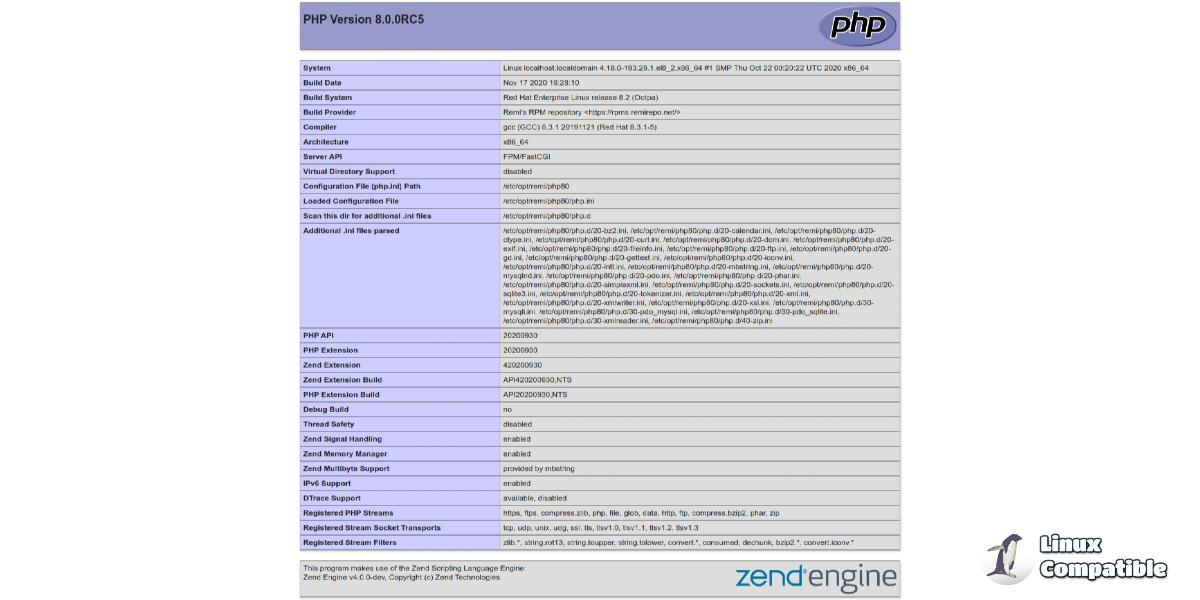
Why Parallel Installation Matters for Release Candidates
Testing a release candidate on a live server usually ends in tears when dependencies clash or extensions refuse to compile. Remi Collet solved this by packaging both versions as Software Collections, which means the new PHP binaries run completely isolated from the system default. A developer recently reported that switching directly to an RC build wiped out their legacy WordPress site because of a sudden PDO driver mismatch. Running parallel installations keeps the old version active while the new one gets stress tested in a sandboxed environment. The yum command pulls the software collection into a dedicated prefix, so existing applications never see the experimental binaries until someone explicitly points them there.
Installing the RC Builds Without Breaking Production
Getting the test repositories active requires enabling the remi-test channel before pulling any packages. System administrators should run the yum command with the enablerepo flag to grab either php85 or php84 as a Software Collection. This approach installs everything under /opt/remi instead of overwriting system files, which prevents accidental service crashes during routine maintenance. Once the collection sits on disk, switching the active module requires using dnf module switch-to with the exact remi version tag. The subsequent update command refreshes all PHP-related packages from the modular test repository, ensuring extensions like oci8 and intl compile against the correct system libraries. Skipping the module switch step usually leaves the old binaries running while the new ones sit idle in /opt/remi, which explains why some admins swear their updates never actually applied.
What Changes Between 8.4 and 8.5 Release Candidates
The 8.4 branch focuses on tightening security patches since version 8.3 has already entered maintenance mode. Version 8.5 brings forward compatibility improvements that matter most for containerized deployments and newer Linux kernels. Both builds target x86_64 and aarch64 architectures, which covers everything from standard desktop workstations to modern ARM-based servers. The Oracle Instant Client extension now ships with version 23.26, while the internationalization module relies on libicu 74.2 for better locale handling. Release candidates typically lock down feature sets before final approval, so any remaining changes usually involve critical security fixes rather than experimental additions.
When to Push These Builds Into Production
Final releases for the 8.4 and 8.5 branches are scheduled around mid-March, which gives testing teams roughly two weeks to validate custom extensions and third-party plugins. Running these release candidates now prevents last-minute dependency hell when the stable packages finally drop. Administrators should monitor error logs after switching modules because some legacy scripts still rely on deprecated functions that get quietly removed in newer branches. The remi-modular-test repository stays active until official approval, so rolling back requires reversing the module switch command and reinstalling the previous stable branch from the standard repositories.
PHP version 8.4.22RC1 and 8.5.7RC1
Release Candidate versions are available in the testing repository for Fedora and Enterprise Linux (RHEL / CentOS / Alma / Rocky and other clones) to allow more people to test them. They are available as Software Collections, for parallel installation, the perfect solution for such tests, and as base packages. RPMs of PHP version 8.5.7RC1 are available as base packages in the remi-modular-test for Fedora 42-44 and Enterprise Linux ≥ 8 as SCL in remi-test repository RPMs of PHP version 8.4.22RC1 are available as base packages in the remi-modular-test for Fedora 42-44 and Enterprise Linux ≥ 8 as SCL in remi-test repository.
Keep those test environments running and watch the logs closely before touching production servers. Happy debugging.


