How to Test PHP 8.5 RC1 Packages on Fedora and RHEL Without Breaking Production
Remi Collet just pushed release candidate builds for PHP 8.4.21RC1 and 8.5.6RC1 into the testing repositories, giving system operators a controlled way to preview upcoming changes before they reach stable branches. These PHP 8.5 RC1 packages land in remi-test and remi-modular-test for Fedora and Enterprise Linux clones, offering both parallel Software Collection installs and direct module switches. The setup exists specifically to catch extension conflicts and deprecated function calls without touching live web servers or critical backend services.
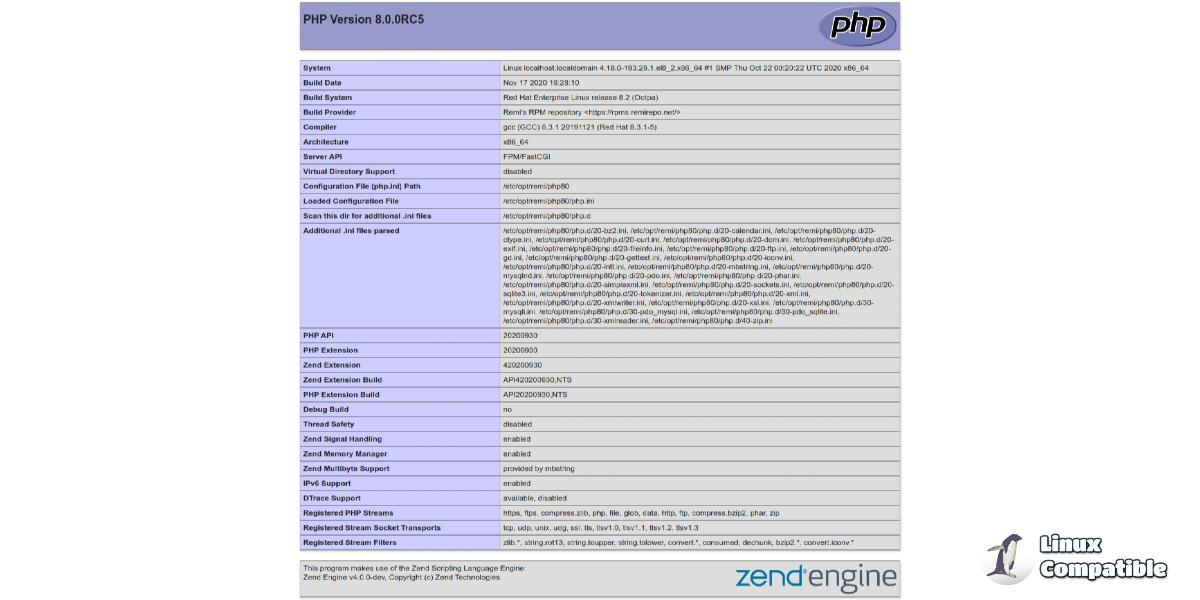
Why Testing Release Candidates Matters
Anyone who has pushed a minor update to a production environment knows how quickly a missing extension can cascade into full downtime. Waiting until the final release often means discovering broken database drivers or altered locale formatting after deployment, which forces emergency rollbacks and sleepless nights. The testing repository solves that problem by isolating new builds from stable streams. Running these candidates in an air-gapped VM or staging cluster lets teams verify caching layers, custom scripts, and third-party libraries before the stable rollout. PHP 8.3 has already entered security-only mode, meaning no further feature updates will arrive for that branch. Teams still relying on older stacks should treat this testing window as a mandatory upgrade checkpoint rather than an optional experiment.
Installing PHP 8.5 RC1 Packages Safely
The most reliable approach involves using the Software Collection method, which keeps the new version completely separate from the system default. Administrators can pull the parallel installation by enabling the remi-test repository and running a standard package manager command. This setup ensures that existing applications continue pointing to the stable PHP version while developers test against 8.5 without path conflicts or dependency clashes. The same workflow applies to PHP 8.4, though that branch only receives security patches moving forward. Both architectures receive full RPM support, so ARM-based servers and traditional x86 machines get identical package builds. Parallel installation removes the guesswork because rolling back requires nothing more than disabling the test repository and restarting the service manager.
Switching System Modules for Direct Updates
Some environments prefer a direct module switch rather than parallel installations, which demands careful repository configuration and version pinning. The process starts by pointing the package manager to the remi-modular-test branch and switching the active PHP stream to the target release. After the module change completes, administrators must force an update across all related packages to ensure extensions and libraries align with the new core. This method replaces the system default entirely, so it demands a complete backup of configuration files and application state before execution. The build environment varies by distribution version, meaning EL-10 systems compile against RHEL 10.1 tooling while older clones use legacy compiler chains. Those differences rarely affect end users but explain why package sizes and dependency trees shift between releases.
Extension Compatibility and Build Notes
The latest builds ship with updated external libraries that directly impact application behavior. The intl extension now relies on libicu version 74.2, which changes locale formatting rules and date parsing expectations across multiple frameworks. Database connectors like oci8 bundle Oracle Instant Client 23.9, meaning any custom connection strings or environment variables pointing to older client versions will fail immediately. These updates rarely break functionality but do require verification of timezone definitions and character encoding settings across the stack. Release candidates typically match final releases since no new features get added after this stage. Only critical security patches make it through the remaining testing window before the official stable release arrives next month.
PHP version 8.4.21RC1 and 8.5.6RC1
Release Candidate versions are available in the testing repository for Fedora and Enterprise Linux (RHEL / CentOS / Alma / Rocky and other clones) to allow more people to test them. They are available as Software Collections, for parallel installation, the perfect solution for such tests, and as base packages.
Keep an eye on the repository announcements when the production versions drop. Testing early saves hours of troubleshooting later, and the parallel installation method makes rollback trivial if something behaves unexpectedly. Happy debugging.


