pgAdmin 4 Update Fixes Critical Security Holes and Adds LLM Support
The latest pgAdmin 4 update drops a heavy dose of security patches alongside some long overdue Docker improvements and AI interface tweaks. Database administrators who have been sitting on older builds should grab version nine point fifteen immediately, since the release closes eight separate vulnerabilities that could easily let attackers slip past authentication or execute commands on the host machine. The previous nine point fourteen build also brings practical quality of life changes for anyone juggling custom language model endpoints and geometry data.
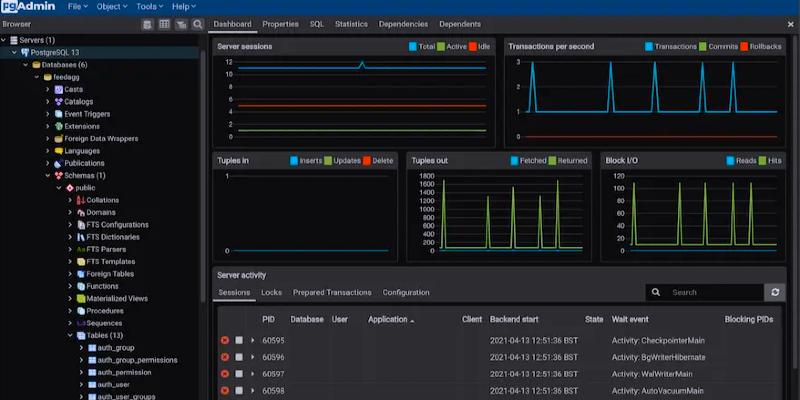
The Security Patch You Actually Need From This pgAdmin 4 Update
Running a database management tool that handles raw SQL queries means every input field becomes a potential attack surface. This release tightens up shared server privilege escalation, blocks cross user data leaks, and patches stored cross site scripting vectors that previously lived inside crafted PostgreSQL object names. The session manager gets a major overhaul with encrypted files at rest, stricter directory permissions, and a switch from SHA one to SHA two fifty six for digest hashing. A symlink based path traversal in the file manager also gets sealed shut, which stops attackers from reading arbitrary system files through relative paths. Anyone who has watched a junior admin accidentally expose database credentials on a shared server will appreciate how this update finally locks down those loose ends.
Docker Tweaks and Deprecated Cloud Integrations
Container deployments just got slightly more flexible with support for custom user IDs through environment variables, which helps when running inside restricted orchestration environments or when multiple instances share the same host volume. The Debian setup script also switches to absolute paths for module enabling commands, so installations no longer break when standard system directories sit outside the default search path. On the flip side, the BigAnimal cloud deployment integration gets marked as deprecated and will vanish in the next cycle. Teams relying on that specific one click provisioning should start mapping out alternatives before the code disappears entirely.
AI Features Finally Get Some Sanity
The artificial intelligence tools built into the interface finally stop fighting with themselves after the previous build introduced several UI glitches and broken context handling. Custom provider URLs now work properly for OpenAI compatible services, which means local inference setups running on consumer hardware can actually feed queries back into the assistant without hitting dead endpoints. Conversation history compaction gets implemented to manage token budgets, so long debugging sessions no longer choke the model with redundant prompts. The geometry viewer also refreshes correctly when switching columns or re running queries, which stops stale spatial data from misleading schema reviews. Anyone who has tried to use AI assisted reporting on a flaky local LLM server will notice how much smoother the workflow feels now.
Grab the binaries or pull the container image before the next round of patches drops. The database stays safer when the management tool keeps up with modern threat vectors, and the interface finally stops fighting the user.


