Mesa 26.2.2 is out now, pushing more PCO compiler work and stabilizing Intel and ARM drivers
The second point release of the 26.2 cycle lands with over 50 patches, focusing on shader optimization infrastructure, Qualcomm Adreno fixes, and AMD coherency improvements.
Mesa 26.2.2 shipped today, wrapping up a tight two week window since the initial 26.2.1 drop. The release includes roughly 70 commits from around 35 contributors, leaning hard into refinement rather than new features. The team spent the time between releases tightening shader optimization, smoothing out mobile GPU artifacts, and fixing coherency rules for RDNA 4 and 5 hardware.
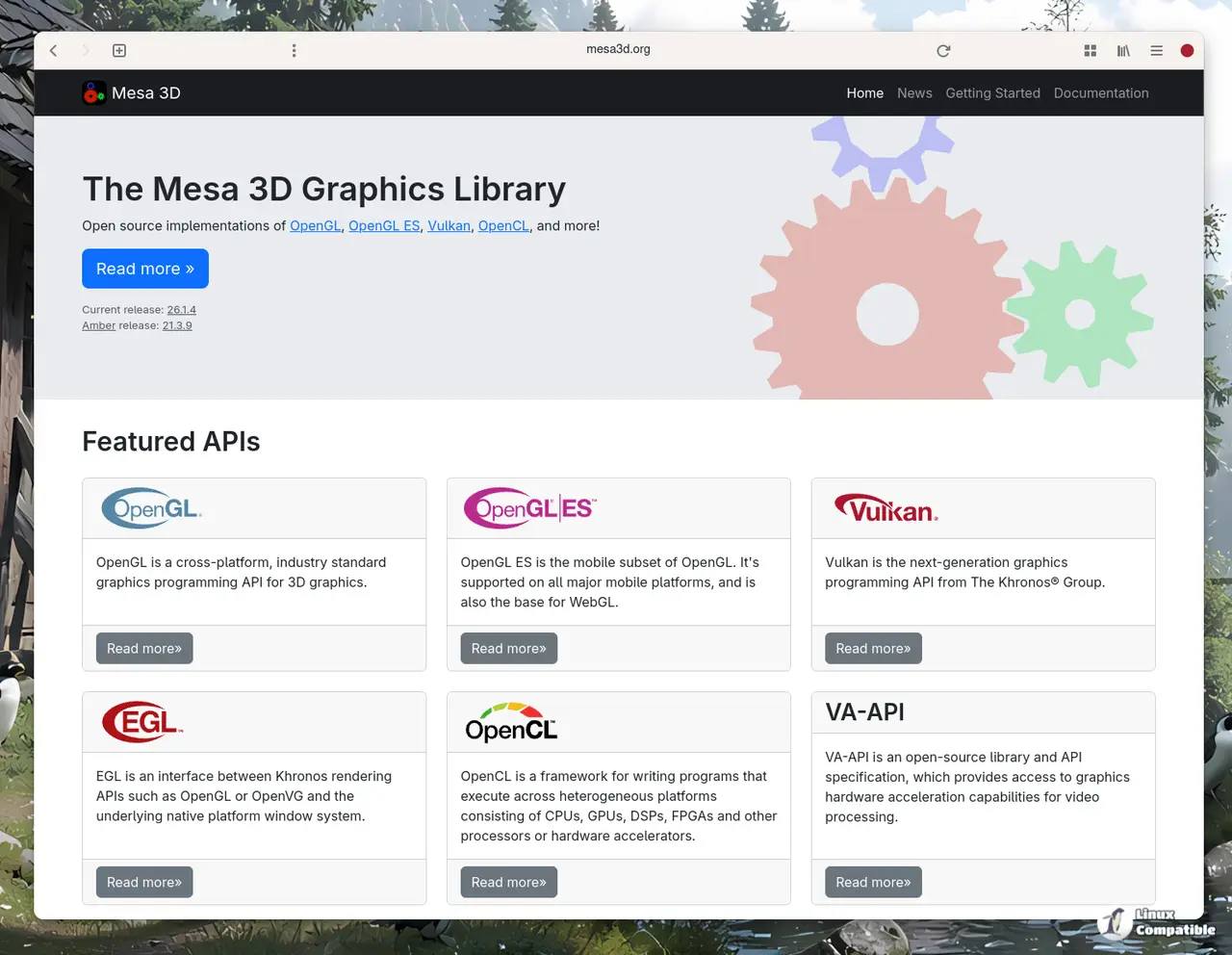
Compiler and driver updates
The biggest architectural win here is the continued rollout of Post Copy Optimization. PCO lets the compiler optimize shader code after it has moved between internal stages. This reduces code duplication across drivers and unlocks better optimizations that were previously impossible. Contributors like Simon Perretta and Eric Engestrom pushed a solid chunk of commits that integrate PCO into NIR, RADV, and the ACO compiler. You will see this pay off in future titles that rely on Vulkan drivers.
Intel and Qualcomm hardware got a significant chunk of attention. The Tu driver, which routes Qualcomm Adreno chips through Intel compatible code paths, received roughly twenty commits. Fixes range from gen8 texture line offset calculations to critical pipeline library stitching for Vulkan 1.3 and newer. Games that split their pipelines across multiple libraries should run more reliably now. There are also geometry shader resource fixes and sparse image memory reporting corrections.
AMD users benefit from a cluster of RADV and ACO fixes. Persona 3 Reload sees a specific patch for variable rate shading, which should clean up color and reflection issues. The team also patched indirect draw calls that specified zero counts, a common cause of GPU hangs. Coherency improvements between SDMA engines and the Accelerated Compute Engine address potential data corruption on RDNA 4 and 5 GPUs. Older Navi 10 hardware gets early Z culling and shader offset fixes as well.
Mobile and handheld gaming devices see targeted Panfrost and PanVK updates. ARM Mali GPUs, particularly the G720 and G725 models, get corrected special function unit rates and fixed vertex attribute handling. These changes prevent visual corruption and timing related bugs on devices like the Steam Deck and ROG Ally. Qualcomm A6xx Adreno chips also get transform feedback corrections, which matters for games using compute based particle systems.
Video acceleration gets a tidy up on the AMD side. HEVC decode and encode support now parses all slice types and temporal motion vector flags correctly. This should stop playback sync issues and garbled streams for H.265 content. The VCN encoder also gets a buffer overflow guard for the maximum bitstream size.
What this means for your workflow
It's a steady update rather than a feature bomb. The release focuses heavily on compiler infrastructure and stability, though that refinement is exactly what the branch needed right after feature freeze. The PCO work is a long term investment that will ripple through future applications, and the Tu driver fixes reflect Mesa's expanding footprint in Android and Chromebook hardware via Google's Turnip project.
If you prefer stability over new features, the 26.1.x branch remains available. The latest maintenance release is 26.1.8. It skips the PCO work and newer driver features while keeping the core stack polished.
You can grab the source from here. Most distros will sync this within a couple of weeks. Keep in mind that Mesa updates flow through package managers automatically once the repository mirrors catch up. The next point release in the 26.2 cycle is scheduled for September 16.


