Liquorix Kernel 7.1-8 Lands with Linux 7.1.6 and Enhanced ACS Override
Maintainer Steven Barrett ships the latest upstream stable point release in just four days, adding VM-friendly GPU passthrough tricks and new hardware support.
Liquorix kernel 7.1-8 is officially out, tracking upstream Linux 7.1.6 with the usual performance tweaks and a new patch for virtual machine gamers. The build was tagged by maintainer Steven Barrett on August 4, coming just four days after the previous release.
If you've been following enthusiast kernels, you know Liquorix isn't the default choice for server workloads. It's a PDS-scheduling, hard-preemption, 1000 Hz tick flavor of Linux aimed at gamers, audio engineers, and anyone who wants snappier interactive performance. You're paying for responsiveness. The tradeoff is usually power draw and raw throughput, which is fine if you know what you're doing.
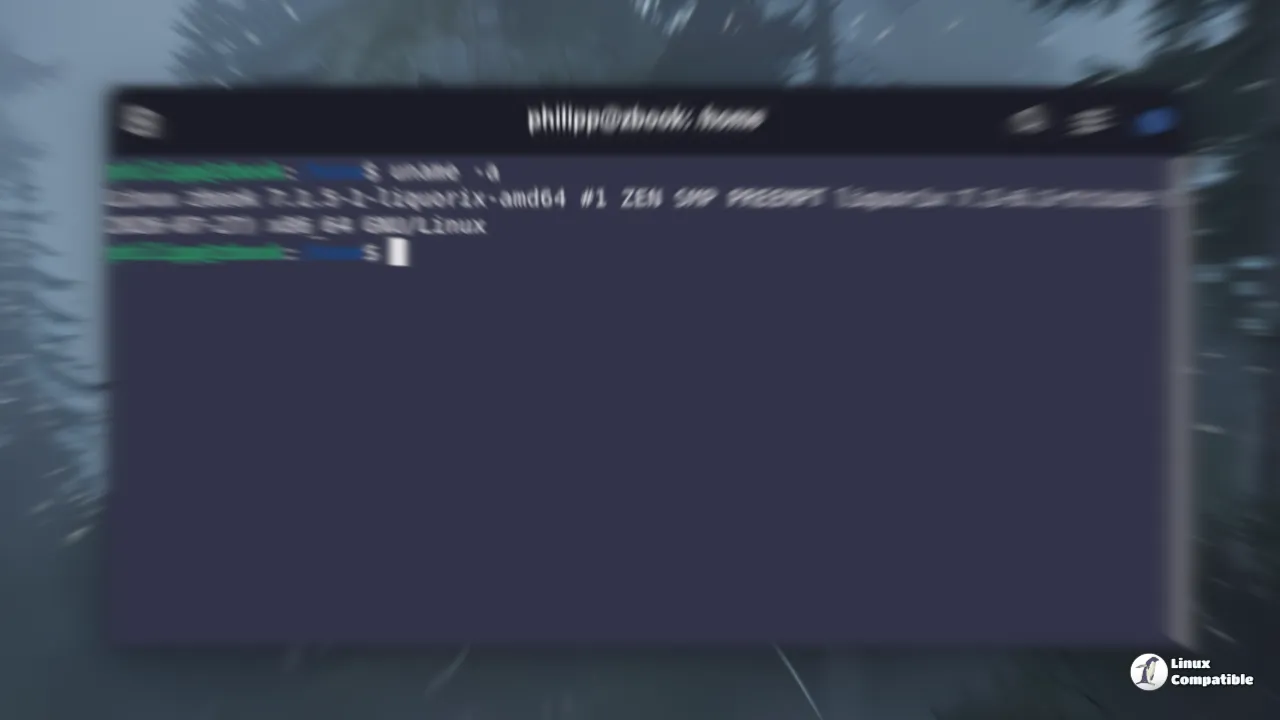
What actually changed this cycle
The headline grab is the full 7.1.6 merge. That pulls in the entire 7.1.x feature branch, which brings a few meaningful updates you won't find in the older 7.0.x-based builds. There's a new NTFSPLUS driver for better Windows partition reads and writes, the removal of legacy i486 and PCMCIA drivers to shrink the image, and Apple Silicon power reporting for Asahi Linux users. Intel FRED gets enabled by default for Arrow Lake and Lunar Lake, and AMD's newer Ryzen AI NPU finally gets proper power management.
Then there's the Liquorix-specific patch. Barrett restored "ZEN: Add ACS override support" from the upstream Zen kernel tree, but added enhancements of his own. For those unbothered by IOMMU group splitting, it's a quiet background tweak. For GPU passthrough users juggling NVIDIA and AMD cards in a VFIO setup, it's a long-awaited workaround. It merges split PCIe groups so your graphics card and its audio controller show up as a single passthrough unit instead of two separate headaches.
"Merge v7.1.6, restore 'ZEN: Add ACS override support' with enhancements, update version to 7.1.6-2," Barrett wrote in the official changelog. Straightforward. No fanfare.
The four-day cadence is the real story
The previous tag, 7.1-7, landed on July 31 and focused on removing irqbalance recommendations so the PDS scheduler doesn't double-tap your interrupt handling. That change was unrelated to the version bump. The quick turnaround to 7.1-8 tells you two things. First, upstream 7.1.6 was likely a focused bug fix and security batch. Second, Barrett is tracking stable releases on a schedule that rivals most distro vendor kernels.
Barrett builds every distro target in parallel via Docker. That kind of automation explains the speed, but it also means the binary packages are ready before most upstream security bulletins finish circulating. You'll still get the usual Liquorix DNA baked into every build. The ZEN interactive tuning keeps timeslices at 2ms instead of 4ms, CPUFreq thresholds stay aggressive, and split-lock detection gets disabled for latency. Kyber and BFQ handle multi-queue and single-queue storage, TCP BBR2 runs for congestion control, and the preemptible tree-based RCU cuts down on read-copy-update latency spikes.
Keep in mind that you're not getting a safer, more power-efficient kernel. You're getting a faster one.
It's a solid update, though the tight release schedule means you should expect the usual post-kernel-rollout growing pains. Check your Wi-Fi drivers, retest your GPU passthrough config, and don't be surprised if the new NTFSPLUS driver changes how your Windows partitions behave. However, at the same time, the long wait for upstream feature parity is over.
Head to liquorix.net for the install script for Debian, Ubuntu, and Arch Linux:
curl -s 'https://liquorix.net/install-liquorix.sh' | sudo bash


