Liquorix Drops Kernel 7.1-12 With Heavy Project-C Scheduler Tweaks
Eleven patches target fork handling, hybrid core tracking, and atomic operation overhead across its custom scheduling codebase.
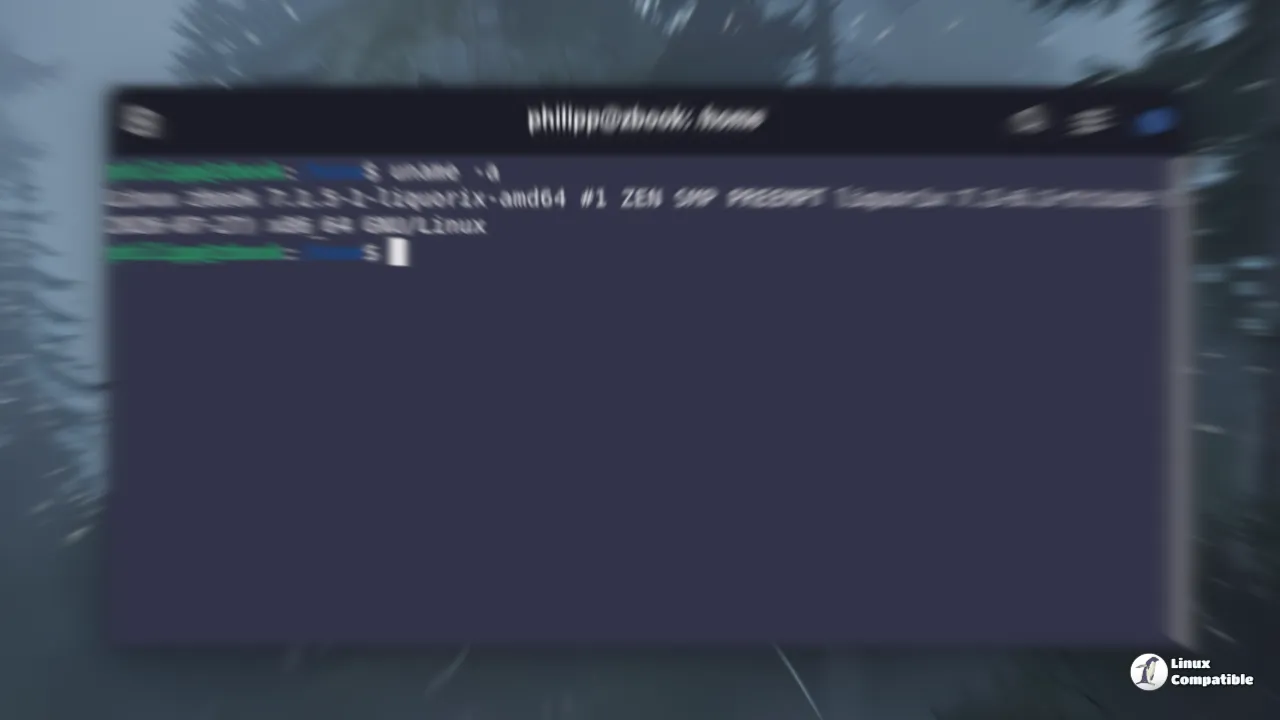
Liquorix Linux kernel 7.1-12 shipped Thursday, bringing another round of Project-C scheduler optimizations for enthusiasts who want snappier desktops and more consistent frame times. The update lands just four days after 7.1-10, continuing a rapid iteration cycle that sees maintainer Steven Barrett churning out point releases almost daily.
Liquorix has never been a mainstream kernel. It's a community-built alternative tuned specifically for gaming, audio/video production, and interactive desktop responsiveness. The heavy lifting this release falls squarely in sched/alt, Barrett's custom Project-C scheduler. It lives alongside upstream paths like CFS and BMQ, but it operates independently enough that changes here rarely touch other subsystems.
What Actually Changed
The changelog lists eleven patches, all under the sched/alt namespace. They tackle runtime accounting at fork time, skip unnecessary timer arms when parent processes are already due for rescheduling, and bypass timeslice checks for real-time FIFO tasks. There's also targeted work on hybrid CPU architectures, where performance and efficiency cores need careful idle-mask tracking to avoid spurious latency spikes. A handful of micro-optimizations replace atomic bit operations with non-atomic variants where single-runqueue access is guaranteed.
Each patch looks minor in isolation. Stack them up and you're shaving microseconds off millions of task switches per second. That's meaningful for anything that spawns worker threads on the fly, from game physics engines to DAW buffer cycles.
The last two weeks have been unusually active for the project. Seven releases landed between mid-July and now, with the last four stacking scheduler syncs, latency fixes, memory protection patches, and this final round of micro-tuning. Barrett is clearly treating the scheduler as a live tuning parameter rather than a set-it-and-forget-it component. It's an aggressive cadence that works if you benchmark your specific workload, though it might keep casual testers on their toes.
The release is live now. The official install script pulls Debian, Ubuntu, and Arch builds:
curl -s 'https://liquorix.net/install-liquorix.sh' | sudo bash
Head here to the GitHub release page for the full changelog.


