Kubuntu Focus, Techpaladin Software, and KDE e.V. have launched a three-year sponsored LTS program for Plasma 6.6, committing over $100,000 to guarantee security patches and bug fixes through Kubuntu 26.04's lifecycle. Techpaladin, the engineers behind the Steam Deck's desktop UX, acts as the primary technical steward for the backports while KDE e.V. uses the funding to deploy three new CI nodes for hardware validation. The move targets enterprise and government buyers hungry for a stable, privacy-focused Windows alternative, though the inclusion of Kubuntu Focus's proprietary "Focus Tools" adds a layer of commercial tension to the digital sovereignty pitch. While the initiative successfully plugs a long-standing gap in Linux desktop support, it leaves the funding model for Plasma 7.x uncharted once the current Kubuntu release reaches end-of-life.
Kubuntu Focus, Techpaladin, and KDE e.V. Fund a Three-Year “Bullet-Proof” LTS for Plasma 6.6
If you’ve ever tried to run KDE on an older workstation past its upstream support window, you know the exact feeling: stable, but silently accumulating security patches you’ll never see. Kubuntu Focus, Techpaladin Software, and KDE e.V. have jointly announced a three-year sponsored LTS program for Plasma 6.6, backed by more than $100,000 in direct funding and three new CI infrastructure nodes.
Linux desktop has always had a weird lifecycle gap. The newest release brings shiny features but unpredictable regressions. The older release feels rock-solid until the upstream stops shipping fixes. Government agencies, enterprise IT shops, and anyone running mission-critical hardware have lived with that trade-off for years.
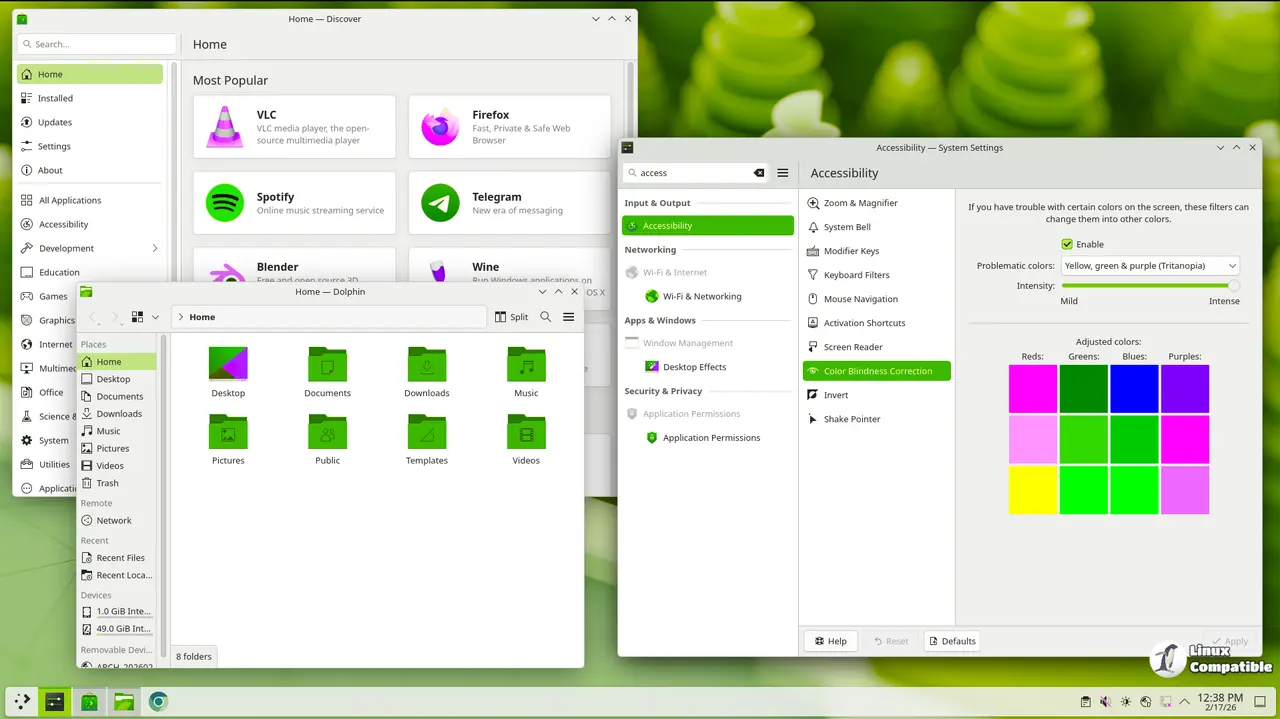
This initiative tries to close it. Kubuntu 26.04 LTS will ship with Plasma 6.6 pre-validated, and Techpaladin will act as the technical steward for bug fixes and security patches throughout Kubuntu’s support cycle. KDE e.V. takes the money for three additional continuous integration nodes to validate the stack on Kubuntu 26.04. Other vendors are welcome to sponsor, too.
Keep in mind that Plasma 6.6 shipped back in February. The LTS commitment doesn’t rewrite the calendar, but it does guarantee that the three-year Kubuntu support window won’t outpace upstream maintenance. Techpaladin handles the patching, KDE e.V. manages the governance and CI infrastructure, and Kubuntu Focus covers the rest of the bill.
The funding splits across developer compensation, individual contributor payouts, and the new CI nodes. Not cheap, but meaningful for a desktop project that has historically relied on donations and volunteer hours for LTS backports.
The timing isn’t random. Windows 10 end-of-life pushed a lot of enterprises toward alternatives, and the EU’s digital sovereignty push has made government buyers suddenly interested in non-U.S.-controlled software stacks. KDE has been leaning into that space hard. Munich’s LiMux deployment, Valencia’s Lliurex distribution, and the desktop layer on Valve’s Steam Deck all run on KDE tech. Techpaladin actually builds the Steam Deck’s desktop UX, which explains why they landed in the lead role here.
Michael Mikowski, technical product manager at Kubuntu Focus, says the bundled approach “provides convenience, performance, and reliability that rivals proprietary systems.” Nate Graham, CEO of KDE e.V., calls the partnership “a great way to ensure those products provide the KDE experience that people deserve.” Aleix Pol, KDE e.V. president, adds that patrons rallying around stability is “good to see” in a project that “knows how important it is to offer a system that can be trusted.”
The “Bullet-Proof” Marketing Trap
The press release leans hard on “bullet-proof” in its title. Software rarely is. Three years of security patches and bug fixes is a solid commitment, but it doesn’t shield you from driver breakage, firmware regressions, or the kind of hardware-specific gremlins that trip up Linux deployments in the first place. Kubuntu Focus does offset that by testing kernel updates and GPU drivers on each machine before shipping, which actually matters more than any LTS banner.
However, at the same time, Kubuntu Focus sells proprietary “Focus Tools” alongside an open-source initiative, including a system rollback dashboard, guided setup wizards, and hardware-specific tuning suites. You get convenience, sure. But you’re getting it from a vendor, not a community project. It complicates the clean “replace Windows with Linux” pitch, though the validation model does help it somewhat.
Three years is three years. Once Kubuntu 26.04 reaches end-of-life, the funding model for Plasma 7.x LTS is nowhere outlined. Other distribution vendors can sponsor moving forward, but the ecosystem still hasn’t built a reliable, long-term pipeline for desktop LTS beyond the initial release window.
Kubuntu Focus systems shipping with the initiative are already live. The Ar GEN 1, XE GEN 3, M2 GEN 7, and ZR GEN 2 laptops all come with Kubuntu 26.04 LTS out of the box. If you need a workstation that won’t quietly degrade past its support date, this is the first real answer the Linux desktop has offered.
Head here to read the full press release, or check out the official Kubuntu Focus site for hardware specs and ordering details. Techpaladin is also accepting vendor sponsorships for the next cycle, so watch their contact page if you run a distro or OEM looking to extend Plasma’s shelf life.


