Kali Linux 2026.3 ships with kernel 7.1, a build-script overhaul, and smartwatch wardriving
The third rolling build of 2026 brings kernel 7.1.5, KDE Plasma 6.7, and a from-scratch rewrite of the scripts that build every official image.
Kali Linux 2026.3 landed today. It's the third dated snapshot from OffSec this year, arriving roughly six months after 2026.2. The company is framing the release around three shifts: the build scripts, the desktop, and a batch of new tools. And there's a smartwatch in there somewhere.
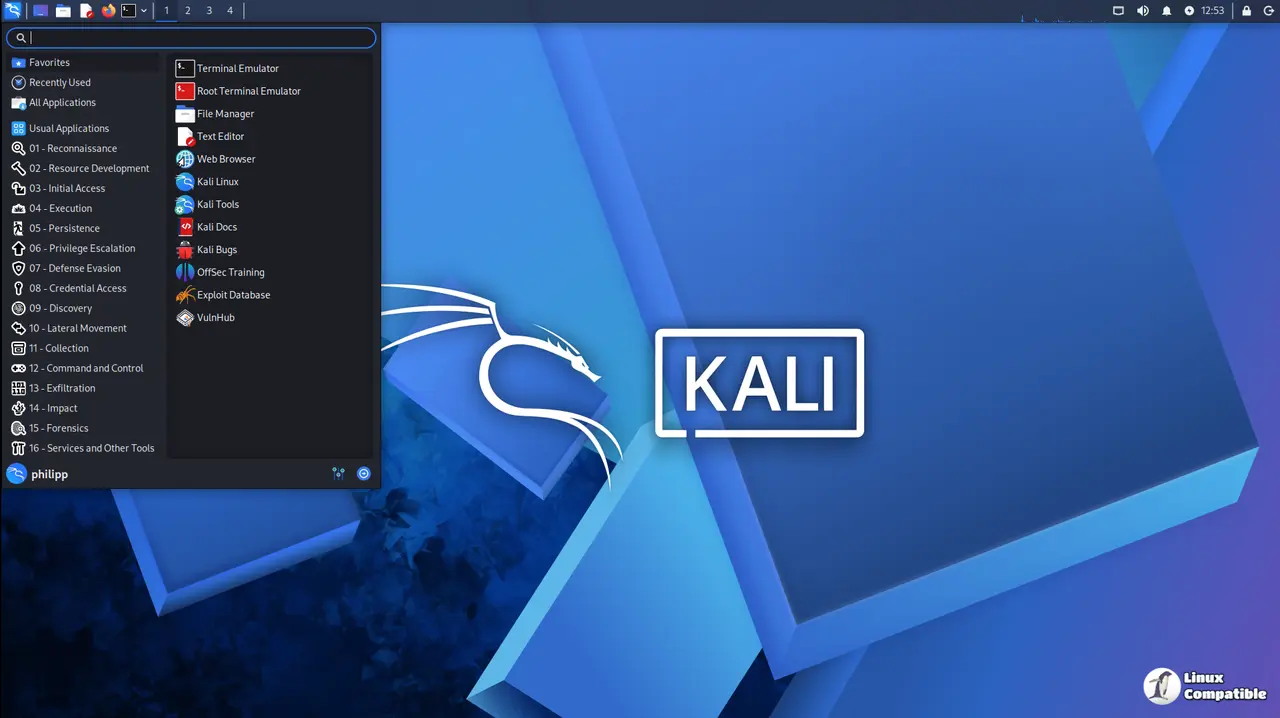
Kali is the open-source pen-testing distro that most red-teamers actually run. It's Debian-based, free, and carries 600-plus tools for work ranging from wireless attacks to forensics. The rolling model has been in play since 2016.1, so don't expect point releases in the old style. OffSec publishes four QA'd snapshots a year instead, and each one lands with a fair amount of attention inside the infosec world.
A build you can actually trust
The part that gets the least press coverage is the build scripts.
OffSec ran a consistency pass over the public scripts on GitLab that generate every official image on kali.org. The headline move is container-first building. Each refreshed script ships a build-in-container.sh that detects Docker or Podman, spins up a container, and builds inside it. That ends the old "build Kali on Kali" chicken-and-egg routine that people patched around for years. You can also override the hostname, add packages, or point at a different branch or arch, as in sudo ./build.sh --hostname haxbox --packages rustscan.
This is where the trust question lives. Reproduce an official installer ISO from the same scripts OffSec uses and you're no longer accepting the build on faith. Supply-chain skepticism is running high these days, so a documented, repeatable build path is worth more than a footnote.
It's only the first milestone, though. OffSec admits not every script finished in time, with the rest slated for 2026.4. The rollout is "crawl, walk, run," which is OffSec-speak for "we broke some CI pipelines along the way." Keep in mind that the weekly builds are automated and skip the QA pass the dated images go through. Don't treat them as identical to a real release.
New desktop, new tools, and a wristful of surprises
The desktop picked up upgrades as well. The optional KDE Plasma 6.7 is the one to notice, chiefly for per-screen virtual desktops. For a multi-monitor pentest rig that's a big deal: Burp Suite on one display, terminals on another, docs on a third, none of it stepping on the rest. There are Wayland and portal improvements, power tweaks for integrated Intel GPUs, and a way to duplicate network connections. Xfce remains the default at 4.20.8.
Kali also pulled six new packages into the repos. dalfox is an XSS scanner built for automation; katana is a next-gen crawling framework; qsreplace munges query strings for injection testing; rustscan is the fast Rust port scanner; sdrangel is a software-defined radio front-end; and snaffler-ng hunts for credentials in SMB shares. The release as a whole ships 126 package updates, anchored by the kernel jump from 6.19 to 7.1.5.
Then there's NetHunter, Kali's mobile arm, which took a detour onto a wrist. Contributor Qazy Anwar updated libnexmonkali so monitor mode runs on the TicWatch Pro 3, meaning you can wardrive from your watch while feeding aircap-ng and kismet from the chroot. There's also WearHunter, letting you control the watch from your phone over ADB, and an NFC Arsenal that reads and clones Mifare Classic cards without an external adapter. The blog flagged something else entirely: a contributor entered a Wardriver Project into his 2021 Honda Civic Type R at a car show in Oklahoma. That's a crossover you don't come across every week.
The watch battery is small and there's no room for a real antenna. The stealth is genuine. The range is not.
I verified against the official blog, because the alternate figures out there are worse than misleading. Some third-party summaries list a KDE 5.21 desktop and a kernel of 4.13.10. That second number is from 2017. The real values are KDE Plasma 6.7 and 7.1.5. Those same pieces name tools like CALDERA, EAPHammer, and Sublist3r that don't appear in the official 2026.3 announcement. Treat them as noise and stick to the official blog and package tracker.
For a fresh install, head to kali.org/get-kali. Weekly builds are there too if you want something fresher, with the QA caveat above. To upgrade an existing install, it's the usual dance:
sudo apt update && sudo apt -y full-upgrade
cp -vrbi /etc/skel/. ~/
[ -f /var/run/reboot-required ] && sudo reboot -f
Confirm you're actually on 2026.3 with grep VERSION /etc/os-release. Expect 2026.4 to wrap up the build-script work.
Head here to the official Kali blog for the full write-up.


