How to Test PHP 8.5.8RC1 on Fedora and RHEL Systems Safely
Remi Collet just dropped release candidate builds for the upcoming PHP versions, giving system administrators a chance to stress test new code before it hits stable repositories. These packages land in the testing repos for Fedora and all major RHEL clones, offering both Software Collection installs and direct base package updates. Getting them running requires careful repository configuration, but the parallel installation method keeps existing applications completely untouched while developers verify compatibility.
Why Run Release Candidates on Production Adjacent Systems
Testing new PHP versions directly on a live server is a fast track to downtime, which explains why the Software Collection approach exists in the first place. Remi built these packages so administrators can run multiple PHP versions side by side without breaking existing applications. Many teams skip this isolation step only to discover a deprecated function or changed error handling behavior after upgrading. The testing repository isolates these builds from the stable stack, meaning developers can compile extensions, run benchmark suites, and verify framework compatibility before committing to anything permanent. PHP 8.3 has already entered security mode, so no further release candidates will appear for that branch.
Installing PHP 8.5.8RC1 as a Parallel Software Collection
The cleanest way to evaluate the new release candidate is through the Software Collection method, which drops binaries into isolated directories without touching system defaults. Enabling the testing repository and pulling the package keeps the current PHP version completely intact while providing a fresh environment for validation. This approach works identically across x86_64 and aarch64 architectures, ensuring ARM based servers receive the same straightforward experience.
yum --enablerepo=remi-test install php85
The command installs the release candidate alongside the existing stack, allowing explicit invocation when needed without disrupting background services or web servers that rely on stable builds. Parallel installation prevents dependency conflicts and makes rollback trivial if a specific extension fails to compile against the new headers. Skipping the automated wizard is fine for seasoned admins who understand repository priorities, but forcing unstable streams into production configs without testing remains a reliable way to break dependency chains.
Switching Base Systems to PHP 8.4.23RC1
Some environments prefer a direct module switch rather than parallel installation, especially when testing how existing applications behave under the newer version. The dnf module system handles this transition cleanly by swapping out the active PHP stream while preserving configuration files and installed extensions where possible. Administrators must enable the modular testing repository before attempting any switches, otherwise the package manager will reject the request due to missing metadata.
dnf module switch-to php:remi-8.4
dnf --enablerepo=remi-modular-test update php*
The first command tells the system which PHP stream to activate, while the second actually pulls the release candidate binaries and applies them across the package set. Verifying the active version afterward using a simple runtime check remains essential, since module switches can sometimes leave legacy symlinks pointing to older builds if extensions were compiled against different headers. I have watched too many administrators assume the switch succeeded only to find their cron jobs still executing against the old interpreter because the PATH variable never updated.
Verifying the Installation Before Touching Production
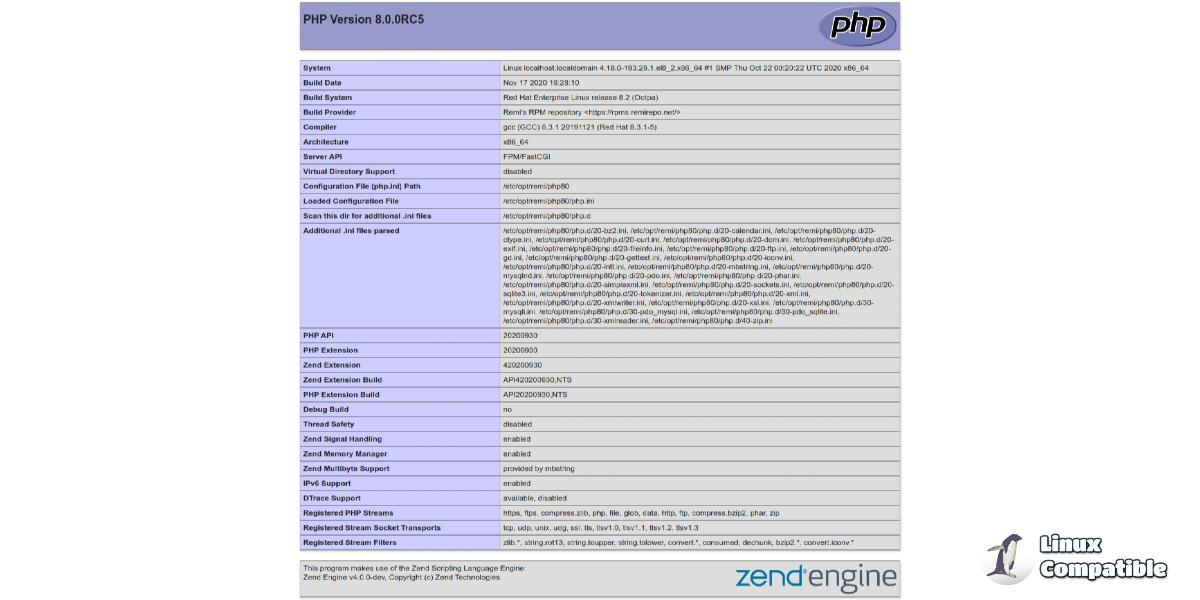
Running php -v or checking web server configuration confirms which build is actually active after installation. Release candidates often include experimental features or stricter error reporting, so running a full test suite before considering any deployment remains mandatory. Remi provides an automated setup wizard that handles repository configuration and package selection without manual editing of yum config files. Following those prompts reduces the chance of accidentally enabling unstable streams on systems that only need stable updates. Keeping these builds strictly for evaluation prevents accidental production deployments, and rolling them back requires either a module reset or restoring from a snapshot taken before the switch.
PHP version 8.4.23RC1 and 8.5.8RC1 - Remi's RPM repository
Grab a coffee while the test suite runs, and report any weird behavior back to the PHP bug tracker. The testing community thrives on real world feedback, so those observations actually shape what ships in stable releases next year.


