GOverlay 1.8.11 Adds RDNA4 Fix, Keeps OptiScaler Working for Linux Gamers
A targeted revert saves AMD's latest GPUs from forcing unresponsive upscaling updates.
Linux gamers running AMD's RDNA 4 GPUs got a patch today. GOverlay 1.8.11 dropped on August 5, 2026, with a surgical fix for OptiScaler that resolves conflicts on Radeon RX 9000 series cards.
The release does exactly one thing. The changelog flips a single line in optiscaler.ini: Fsr4Update=true becomes Fsr4Update=auto.
Earlier 1.8.x versions forced OptiScaler to update the FSR 4 framework unconditionally. That hard-coded value played badly with RDNA 4. The community flagged the issue, and maintainer @benjamimgois chose the conservative path. Now OptiScaler controls when to update rather than being forced. It's the safe move, and RDNA 4 owners will appreciate the stability.
RDNA 4 launched mid-2025 and remains relatively fresh in the ecosystem. Linux tooling like OptiScaler needs careful calibration for newer silicon. This fix signals that the project is taking the transition seriously.
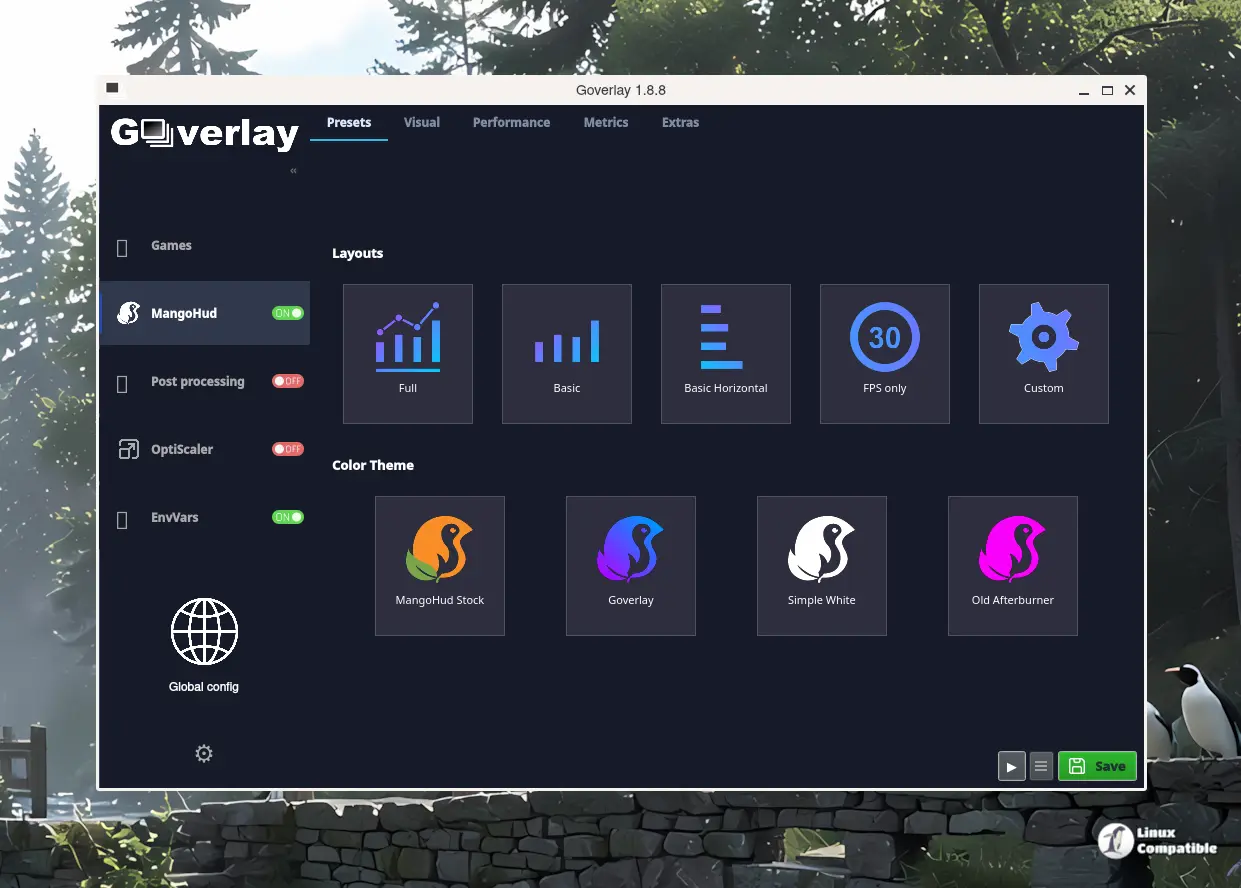
A Rapid Release Cadence
You've likely seen a lot of updates recently. The release log shows six versions rolled out in July alone.
1.8.5 brought a full OptiScaler rewrite and isolated DLL backups. 1.8.6 fixed the startup update check. The 1.8.7 and 1.8.8 releases added preferred upscaler options and Vulkan low-latency layer integration. 1.8.9 introduced per-game MangoHud blacklist support. 1.8.10 shipped a fully resizable window and expanded the Flatpak sandbox. Then came 1.8.11 to address the RDNA 4 conflict.
That's a pace that says the dev team is focused on getting OptiScaler right ahead of wider RDNA 4 adoption.
Architecture Improvements Live Upstream
For those paying attention to the code, the shift from FGMOD to BGMOD remains one of the biggest wins. The project has been stable there for a while now.
FGMOD was a bash wrapper that modified files in place. Every update wiped your configs. BGMOD is a compiled Free Pascal binary. It reads from an external bgmod.conf file, so updates never touch your settings. As a native binary, it also supports Wine DLL overrides and auto-discovers UE shipping EXEs. If you've been around the project, you've probably noticed the config persistence issues are gone.
The XDG-compliant per-game config model keeps things tidy. Each game gets its own card in the UI, with a ready-to-paste bgmod launch command for Steam or Lutris.
Distribution Has Matured
The project now ships everywhere you'd expect. Flatpak on Flathub, AppImage, Arch in the official repo and AUR, openSUSE, Solus, DEB, and RPM. Both x86_64 and aarch64 are covered.
The CI/CD pipeline generates these automatically on every tag. Nightly builds add even more formats. External contributors like @wehrwolfmann have joined the team to improve test reliability.
The project also includes PasCube, a Vulkan benchmark compiled from the PasVulkan engine. It serves as a real-time preview for MangoHud and other overlays before you apply them to actual games. It also posts scores to a public leaderboard with client-id fingerprinting. A nice touch for power users comparing hardware.
Head here to get the release.
flatpak install flathub io.github.benjamimgois.goverlay
Arch users can grab it with sudo pacman -S goverlay. The source is also available if you prefer to compile.


