BIND 9 releases: why 9.18.50 marks the end of the line and what to upgrade instead
The latest BIND 9 releases drop today with three distinct version tracks, and the most important detail is hiding in plain sight. Administrators running the 9.18 series need to prepare for an immediate migration since 9.18.50 is officially the final update before that branch goes end of life. This update cycle also shifts the bind-esv repository version from 9.18 to 9.20, which changes how package managers handle the upgrade path.
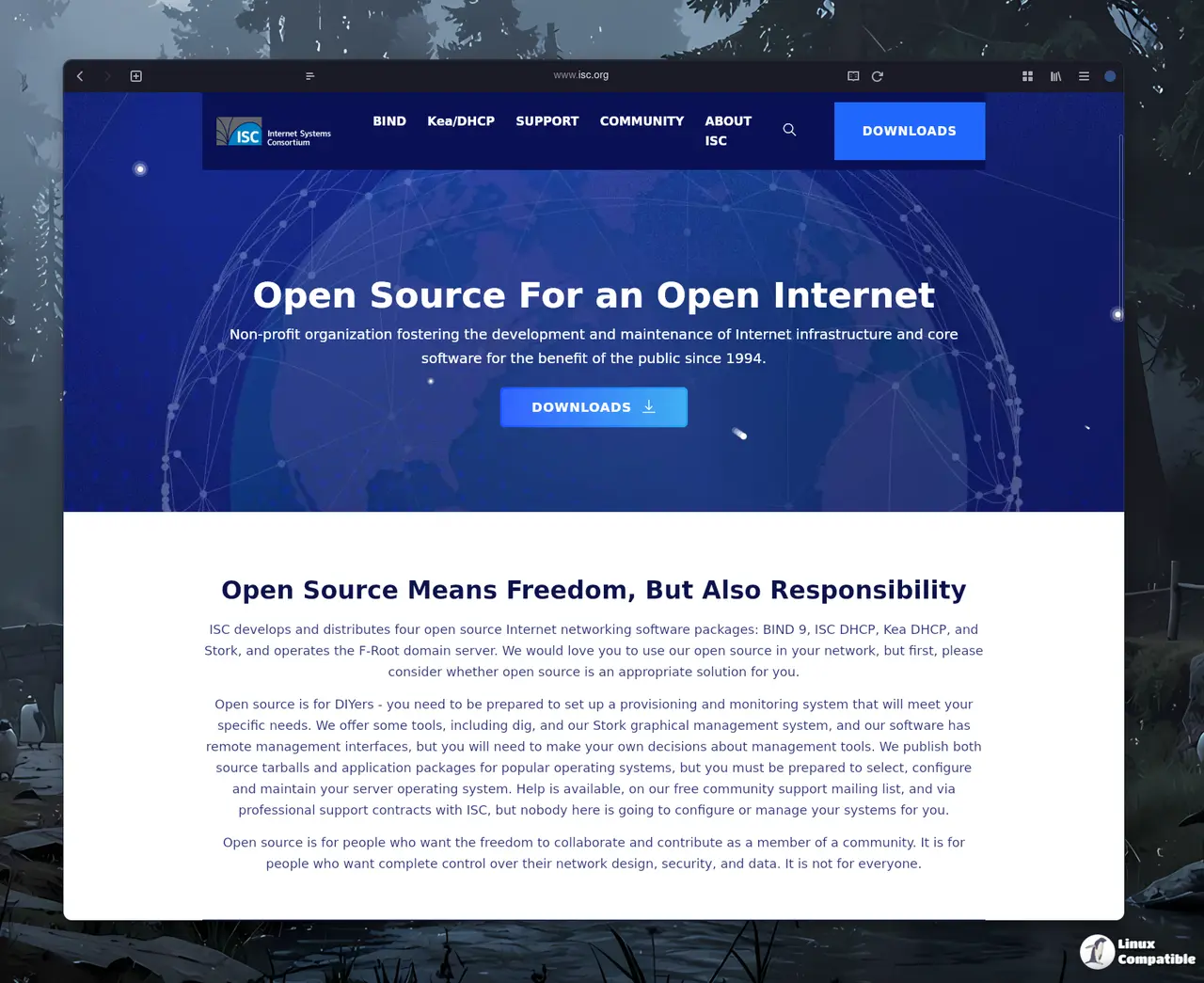
The end of the 9.18 series demands a quick pivot
The 9.18 branch has been a reliable workhorse for years, but sticking with it past this point leaves servers without security patches or bug fixes. Operators who have already tested the 9.20 branch should pull that update immediately to keep DNS resolution stable while avoiding an abrupt forced upgrade later. Skipping signature verification because the download link looked official is how production DNS gets compromised, and fixing a poisoned cache takes hours nobody wants to spend. The 9.20.24 track offers the same maintenance level as the older line but with a longer support window ahead.
Repository changes and the bind-esv shift
Package maintainers and automated deployment scripts will notice a version bump in the bind-esv repository before the July release window closes. The shift from 9.18 to 9.20 means dependency checks and pin configurations need a quick review. Systems that blindly pull the latest package without verifying the target version could result in an unexpected major jump or a broken dependency chain. Checking the repository metadata before running an update prevents those mid-air collisions during deployment.
Checking the BIND 9 releases before deployment
ISC provides source tarballs, cryptographic signatures, and release notes for each version, and scanning those documents saves time during troubleshooting later. Running the standard checksum or gpg verification command against the downloaded archive should be treated as non-negotiable before unpacking anything on a production server. The release notes contain the actual list of bug fixes and configuration changes that matter for uptime, so reading them prevents surprise configuration drift after a restart.
Choosing the right track for your environment
The 9.20.24 version serves as the recommended path forward for production DNS servers that need stability without chasing development snapshots. The 9.21.23 track remains strictly experimental, which means it should stay on test benches or isolated staging networks until the code matures. Pulling random container tags from third-party registries is a pointless exercise that breaks dependency chains. Wait for the official ISC images to sync before pulling the new tags, since custom base layers often break during the initial rollout window.
Keep an eye on the ISC download page for the container updates and package mirrors, and get that 9.18 migration out of the way before the branch officially closes. Happy troubleshooting.


